

Coloring the Future: The Timeless Revival of Natural Dyes Across India, Africa, and Beyond
Natural dyes, derived from plants, minerals, and insects, have been used for centuries to add color to textiles, food, cosmetics, and art. In today’s eco-conscious world, where sustainability and environmental responsibility are central concerns, natural dyes are experiencing a significant revival. This global resurgence bridges the past with the future, as traditional techniques are innovated upon to meet the modern demands of industry and aesthetics.
Countries like India and regions in Africa have long been custodians of natural dyeing traditions, and today they are at the forefront of both preserving these ancient crafts and integrating new, sustainable innovations. This article delves into the history, production, and future of natural dyes, exploring how India and Africa are shaping the future of dyeing while also celebrating the artistry and cultural heritage embedded in these techniques.
The Rich History of Natural Dyes in India

India’s relationship with natural dyes spans millennia, with ancient practices forming the backbone of the country’s diverse and vibrant textile traditions. The art of dyeing fabrics using plants and minerals is deeply embedded in India’s cultural and spiritual fabric. From the famous blue indigo dyes of Gujarat to the deep reds of madder root in Rajasthan, natural dyes have shaped India’s textiles, clothing, and religious practices for centuries.
Key Natural Dyes from India:
- Indigo: Known for its striking blue hue, indigo has been an essential dye in India for thousands of years. The dye is extracted from the leaves of the indigo plant through a fermentation process that involves creating a vat of indigo solution, into which the fabric is repeatedly dipped to achieve deep, rich shades of blue.
- Madder Root: Producing red and crimson tones, madder root has been used throughout India to create vibrant dyes for textiles. Often mixed with other dyes, madder creates multi-tonal patterns.
- Turmeric: Used widely in both cooking and dyeing, turmeric offers a bright yellow color and has deep cultural and religious significance in India.
- Henna: This plant-derived dye is used for body art, particularly during weddings and festivals. The rich, earthy color symbolizes fertility and good fortune.
These dyes are not just aesthetically significant but are also deeply intertwined with cultural practices and rituals. Each color carries a story, a symbolism, or a connection to the divine, and the act of dyeing itself is viewed as a sacred art in many parts of India.
Africa’s Rich Dyeing Traditions: A Celebration of Culture and Craft
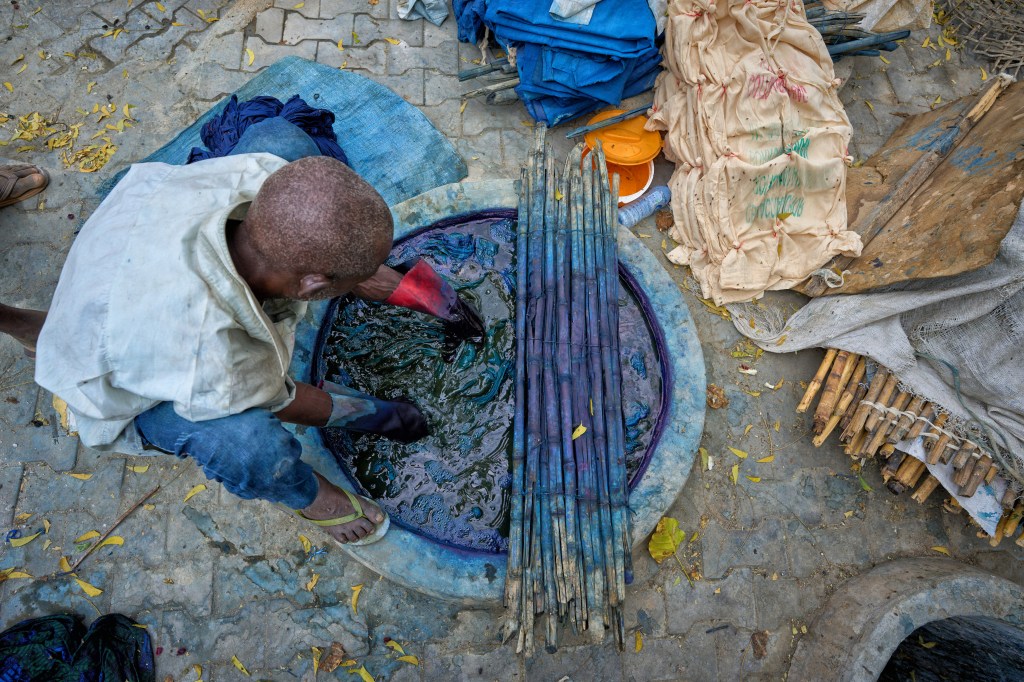
Across Africa, the tradition of using natural dyes to color fabrics is just as deep and rich as in India. The continent’s diverse geography—from tropical rainforests to savannahs—provides a vast range of plants, minerals, and insects that are used to create a spectrum of colors. For many African communities, dyeing is more than just an art form; it is a means of cultural expression and storytelling.
Key Natural Dyes from Africa:
- Baobab Tree: Revered as the “Tree of Life,” the baobab tree’s bark is used to create dyes in a range of earthy colors, from yellow to deep red. The baobab tree is essential in African culture, not just for its dyeing properties but also for its fruit and medicinal uses.
- Hibiscus: Common in both East and West Africa, hibiscus flowers produce vibrant red and purple dyes when boiled. The color extracted from hibiscus is symbolic of strength and vitality in many African cultures.
- Indigo: Indigo is as essential to African dyeing traditions as it is in India. The West African region is famous for its use of indigo in textiles, especially in the Adire (tie-dye) technique of the Yoruba people. In Mali, indigo is central to the creation of Bògòlanfini (mud cloth), a unique textile dyed using plant and mud dyes, which carries cultural and historical significance.
- Acacia Bark and Other Plant Dyes: Indigenous plants, like acacia, produce rich, reddish-brown dyes that are used for both practical and ceremonial purposes across the continent.
Like their Indian counterparts, African dyes carry cultural weight. The colors created are deeply tied to specific rituals, societal status, and communal identity. Textile production and dyeing also hold an important place in African economies, where artisans continue to produce intricate, vibrant fabrics for local use and export.
Traditional Dyeing Techniques: From India to Africa
In both India and Africa, the process of creating natural dyes is complex and requires a deep understanding of the plants, their properties, and the environment. The dyeing process in these regions has been perfected over centuries, passed down through generations of artisans who have carefully guarded these skills.
Dyeing Techniques from India:
- Vat Dyeing and Fermentation (Indigo): One of the oldest and most complex techniques, vat dyeing involves fermenting indigo leaves to create a dye bath. The fabric is dipped in the solution multiple times, each time deepening the color.
- Block Printing and Hand Painting: Often used with natural dyes like madder or turmeric, block printing is a delicate process that involves applying dye to fabric using hand-carved wooden blocks to create intricate patterns.
- Mordanting: After extracting the dye, mordants (like alum or tannin) are used to help the color bond with the fabric, ensuring that the dye will stay vibrant and fast.
Dyeing Techniques from Africa:
- Adire (Tie-Dye): This traditional technique, used by the Yoruba people in Nigeria, involves tying or folding fabric before dipping it into an indigo dye bath. The result is a stunning array of patterns and designs, each carrying a unique meaning.
- Bògòlanfini (Mud Cloth): Originating from Mali, this distinctive technique combines the use of plant-based dyes with mud to create earthy tones. The cloth is often decorated with geometric patterns that symbolize various aspects of life, history, or tribal identity.
- Batik (East and Central Africa): A technique involving the application of wax to fabric before dyeing, Batik is common across East and Central Africa. The waxed areas resist the dye, creating intricate designs that are visually striking.
Both India and Africa continue to honor these traditional techniques, with artisans ensuring that the methods are passed down through generations while integrating modern innovations for efficiency and precision.
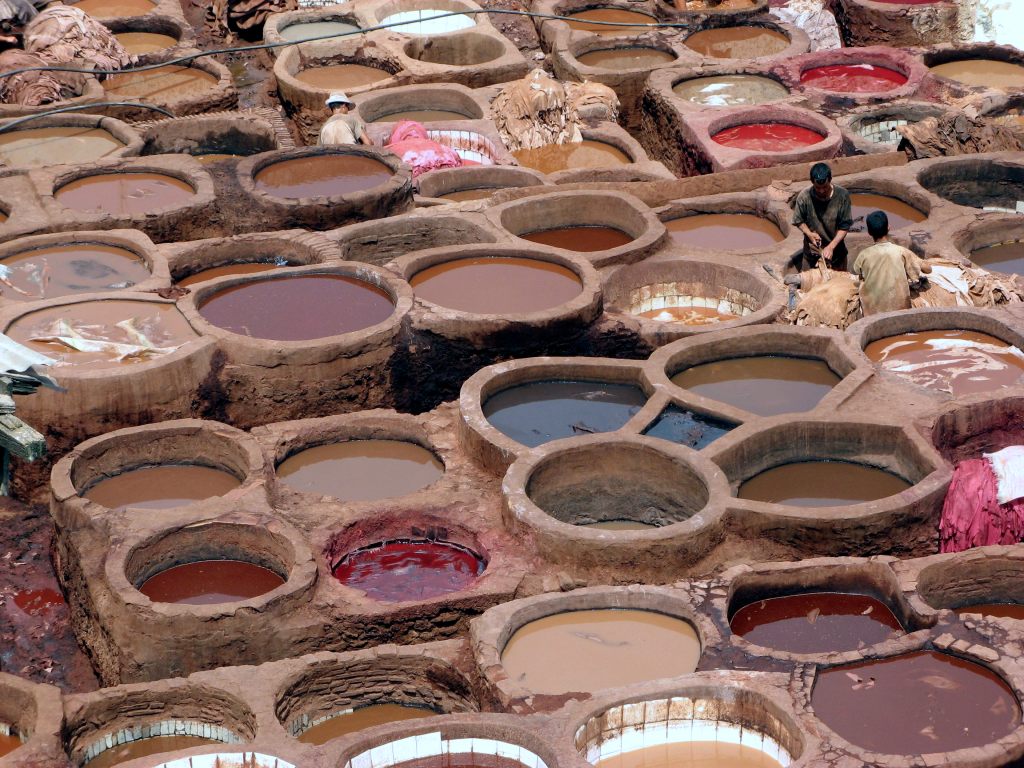
The Environmental Benefits of Natural Dyes: Sustainability at the Forefront
Natural dyes are gaining attention not just for their aesthetic and cultural value, but for their environmental benefits. In contrast to synthetic dyes, which are often toxic and water-intensive, natural dyes are biodegradable, non-toxic, and sustainable.
Why Natural Dyes Are Eco-Friendly:
- Biodegradability and Non-Toxicity: Unlike synthetic dyes, natural dyes break down naturally and do not pollute waterways, posing a significant threat to aquatic ecosystems. They are non-toxic to humans, which makes them safer for both consumers and artisans working with them.
- Water Conservation: Natural dyes typically require far less water than their synthetic counterparts, which use large amounts of water and energy in production.
- Locally Sourced Materials: Many natural dyes are sourced locally, reducing transportation emissions and supporting regional agriculture. This is especially important in Africa, where many communities rely on agriculture for their livelihoods.
The growing global demand for sustainability in textiles has led to a renewed interest in natural dyeing methods. As consumers become more conscious of their environmental impact, the use of natural dyes is seen as a key step toward reducing the fashion industry’s ecological footprint.
Innovations in Natural Dyeing: Merging Tradition with Modern Technology
While traditional techniques are celebrated for their craftsmanship, innovation is helping natural dyes make a significant impact in contemporary industries. New developments in biotechnology, digital printing, and color fastness are modernizing the dyeing process, making it more efficient and suitable for today’s commercial needs.
Innovations in Natural Dyeing:
- Biotechnology: Advances in biotechnology have made it possible to cultivate dye-producing plants more efficiently, using fewer pesticides and less water. Scientists are also working on genetically modified crops that produce more vibrant colors or require fewer resources to grow.
- Digital Printing: The integration of digital technology in textile design allows for precise, efficient application of natural dyes. This technique minimizes waste and allows for more complex, detailed designs.
- Enhanced Color Retention: Modern techniques for mordanting and dyeing are improving the durability of natural dyes, making them more suitable for industrial-scale production.
These innovations, combined with the centuries-old knowledge of artisans, are helping natural dyes break into global markets. The fashion industry, in particular, is embracing these eco-friendly dyes, as consumers increasingly demand sustainable options.
Conclusion: A Colorful Future with Natural Dyes
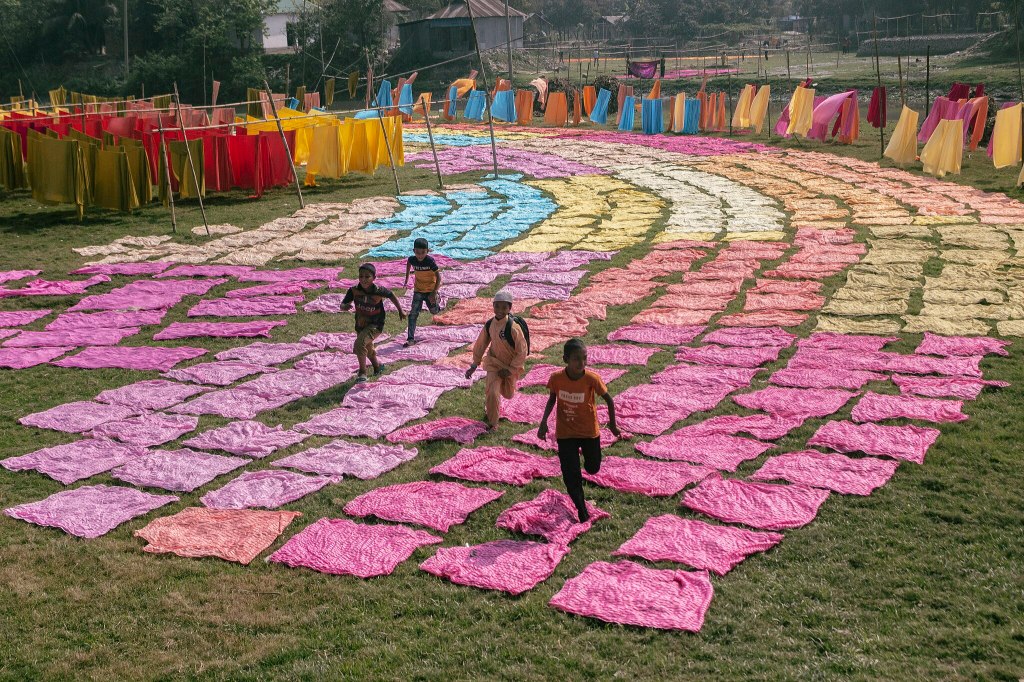
Natural dyes, whether sourced from the indigo fields of India or the baobab trees of Africa, represent a timeless and sustainable method of coloring our world. From their historical roots in ancient cultures to their contemporary applications in fashion, art, and design, these dyes are more than just pigments—they are a celebration of nature, culture, and craftsmanship.
As the global demand for eco-friendly, sustainable products continues to grow, natural dyes offer a promising path forward. By embracing both tradition and innovation, the world can continue to enjoy the beauty, vibrancy, and sustainability that these natural materials provide. In a world increasingly concerned with environmental impact, the revival of natural dyes offers a meaningful, colorful solution that respects both our planet and our heritage.
– RTV –
Recommended To Visit
H&M Foundation
Colorifix.com
 Nicola Coco
What’s your take? Drop a comment!