
From Sicily to the World: How Terracotta, Ceramic, and Lava Stone Tiles Are Shaping Timeless Design and Innovation
Sicilian terracotta tiles, ceramic tiles, and lava stone tiles are more than just building materials—they are pieces of history, art, and craftsmanship that bring unparalleled charm to any space. These materials have stood the test of time, both in terms of their enduring beauty and their functionality, and their appeal continues to grow around the globe. Whether you’re designing a rustic Mediterranean-inspired kitchen or a sleek, modern bathroom, these tiles provide the perfect combination of aesthetic elegance, durability, and eco-friendliness.
In this article, we’ll delve deep into the traditional roots of these materials in Sicily, explore how they are being used worldwide, and highlight their innovative applications that you may never have thought about. This guide is packed with insights into the value and versatility of terracotta, ceramic, and lava stone tiles, offering ideas that will inspire your next design project.
The Heritage and Craftsmanship Behind Sicilian Tiles
The Sicilian tile-making tradition is rooted in centuries of history, influenced by a diverse mix of cultures—from ancient Greeks to the Moors and Normans. The island’s unique geography, with its rich clay deposits and volcanic lava, has played a significant role in the development of these iconic materials.
Terracotta Tiles: A Rustic Charm
The story of terracotta tiles begins with locally sourced clay that’s shaped, dried, and fired in traditional kilns. The result is a beautiful, earthy material that adds warmth and natural elegance to any space. The versatility of Sicilian terracotta lies in its ability to seamlessly blend into both traditional Mediterranean homes and contemporary designs. Whether used in kitchens, living rooms, or outdoor patios, these tiles create an inviting atmosphere, making them a popular choice for homeowners and designers alike.
What truly makes terracotta tiles stand out is their uniqueness. Since each tile is handmade, no two pieces are exactly the same, offering a one-of-a-kind quality to every installation. Their muted colors—ranging from deep reds and oranges to warm browns—make them a timeless choice for both residential and commercial spaces.
Majolica Ceramics: Hand-Painted Elegance
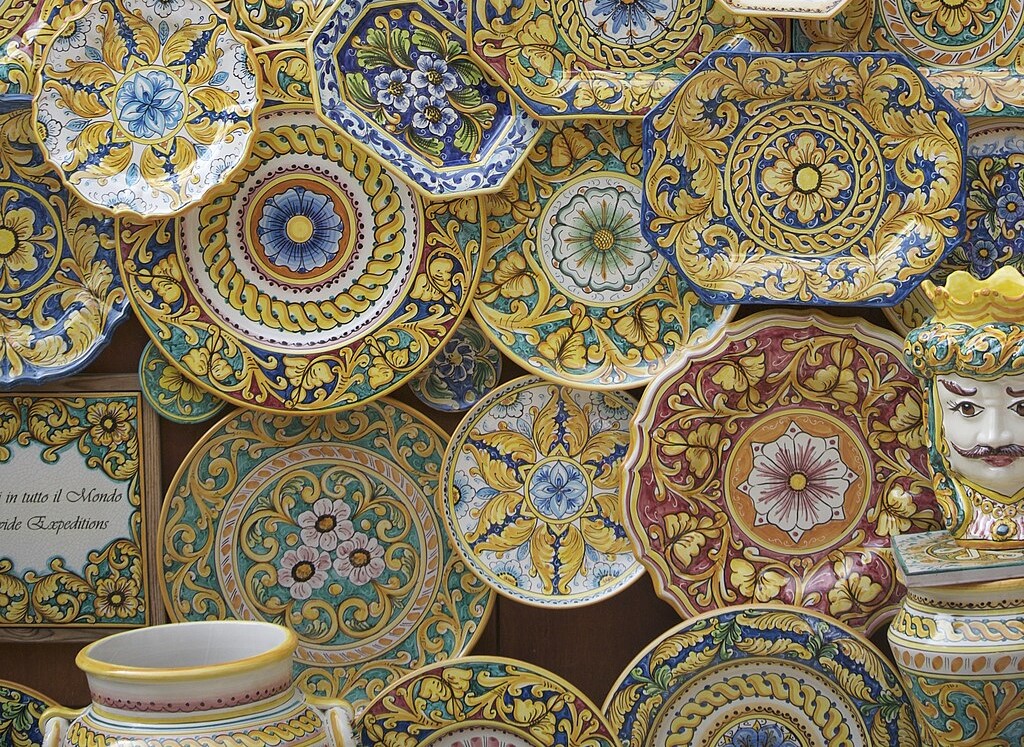
Another hallmark of Sicilian craftsmanship is majolica ceramics—glazed, hand-painted tiles that feature intricate designs often inspired by nature, religious motifs, and the island’s cultural heritage. Sicilian ceramic tiles are known for their vibrant colors and detailed artwork, making them ideal for adding bold, artistic elements to interiors and exteriors. Whether used as backsplashes in kitchens or as decorative accents in bathrooms and courtyards, these majolica tiles bring life and vibrancy to any space.
The ceramic tiles of Sicily also represent a marriage of art and utility. Beyond their visual appeal, these tiles are durable and easy to maintain, making them an attractive option for high-traffic areas. They offer endless design possibilities, from intricate floral patterns to contemporary geometric shapes, making them adaptable to both classic and modern design aesthetics.
Lava Stone: The Beauty of Mount Etna’s Gift
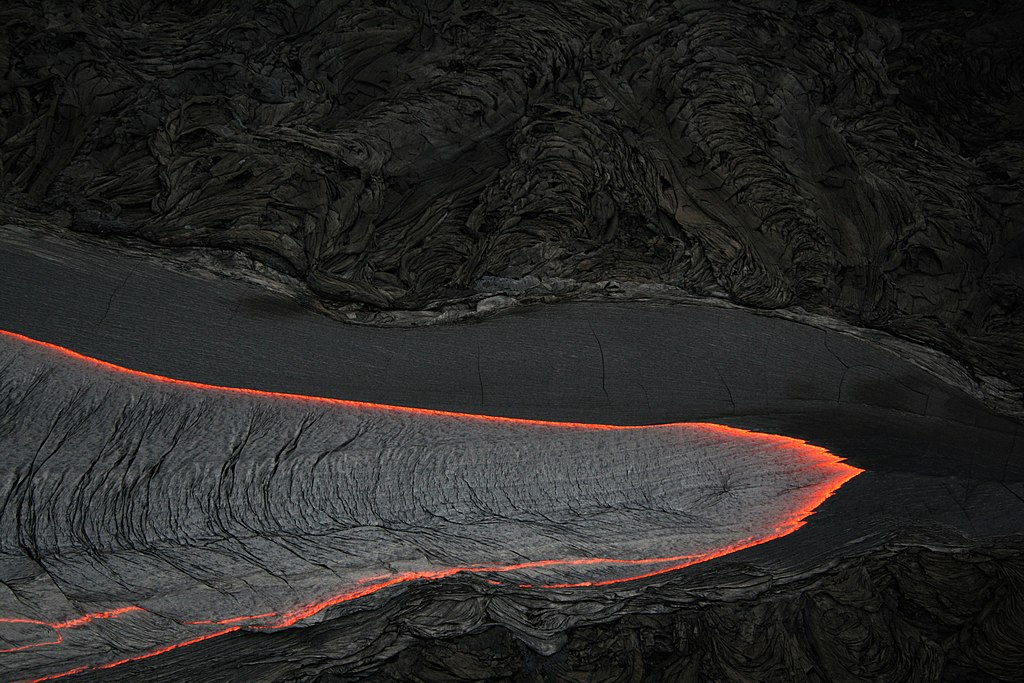
No discussion of Sicilian tiles would be complete without mentioning lava stone. Sourced from the active Mount Etna, lava stone tiles offer not only unmatched durability but also stunning natural beauty. The stone’s deep black and grey hues, sometimes tinged with red or green, evoke the island’s volcanic history and make it the perfect material for bold design statements.
Lava stone has unique properties, including its heat resistance and toughness, making it ideal for flooring, facades, and even outdoor installations. The texture of lava stone tiles adds both tactile interest and visual depth, creating a sophisticated yet rugged look that works in a wide range of applications, from modern kitchens to luxurious bathrooms and even public spaces like restaurants or hotels.
Global Demand for Sicilian Tiles: A Worldwide Trend

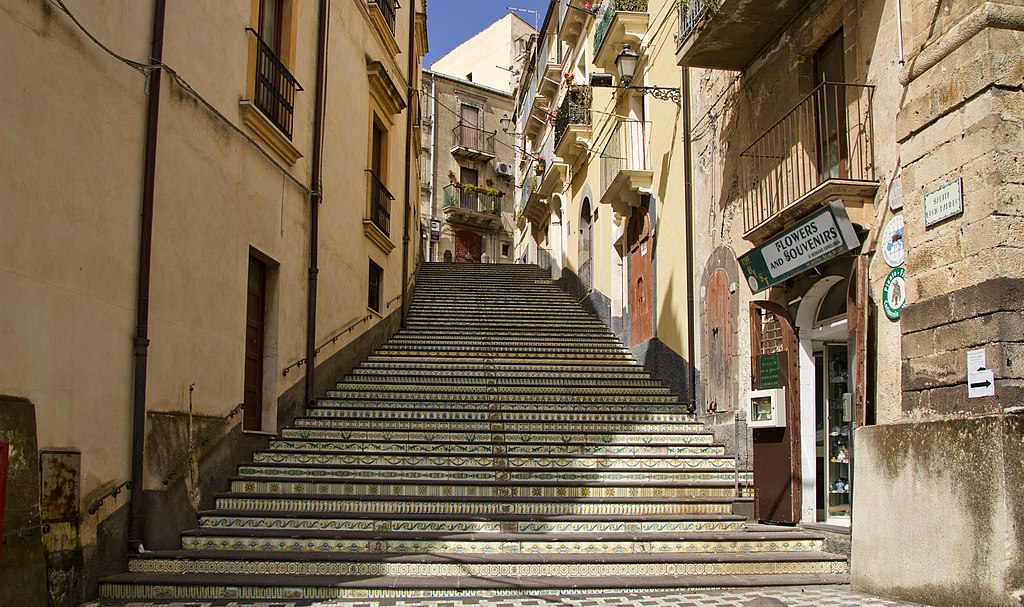
photo by Giovanni Dall’Orto
The allure of Sicilian terracotta, ceramic, and lava stone tiles has spread far beyond the shores of Sicily, with homeowners, designers, and architects across the globe embracing the materials for their aesthetic appeal, sustainability, and longevity.
As more people seek out Mediterranean-inspired interiors, these tiles have become coveted for their ability to transform spaces. Terracotta tiles are perfect for creating a rustic, earthy feel in farmhouses, rustic kitchens, and outdoor patios, while ceramic tiles continue to be the go-to choice for creating dynamic patterns in bathrooms, backsplashes, and floors. On the other hand, lava stone tiles have found a special place in luxury design, particularly in modern kitchens, high-end bathrooms, and even commercial spaces seeking to create a dramatic, sophisticated ambiance.
Innovations in Tile Technology: Sustainable and Custom Designs
The evolution of tile production has been marked by technological advancements that have made terracotta, ceramic, and lava stone tiles even more versatile and sustainable. New technologies, such as 3D tile printing and eco-friendly manufacturing, have brought fresh possibilities to the world of tile design.
3D-Printed Tiles: Endless Design Possibilities
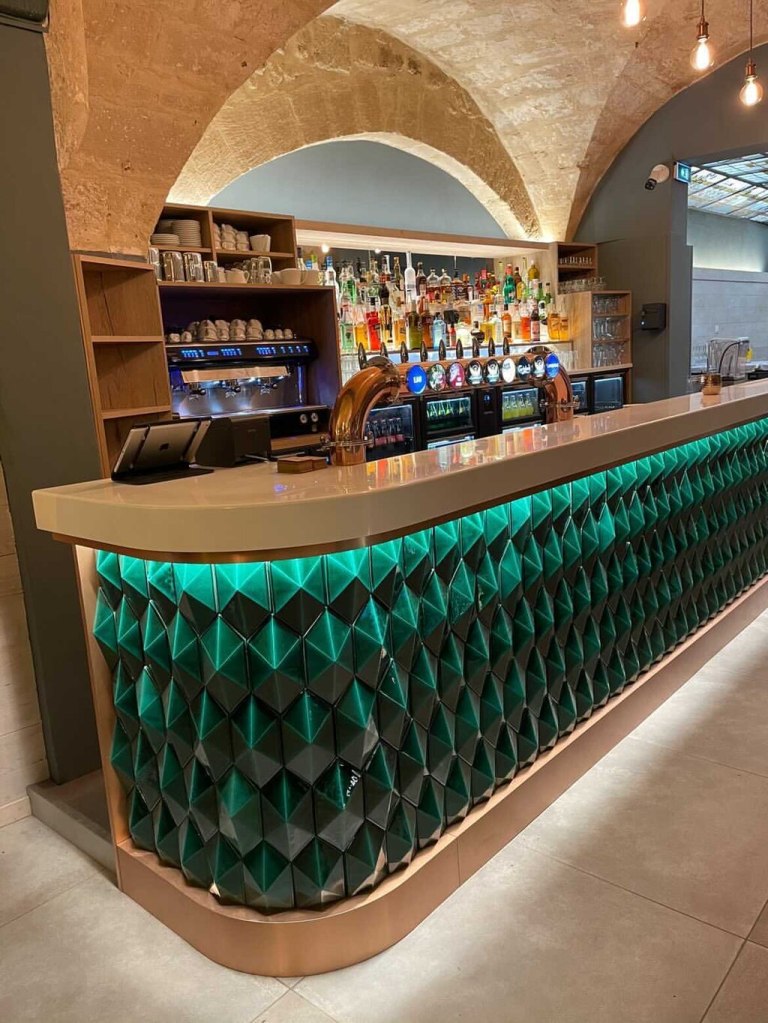
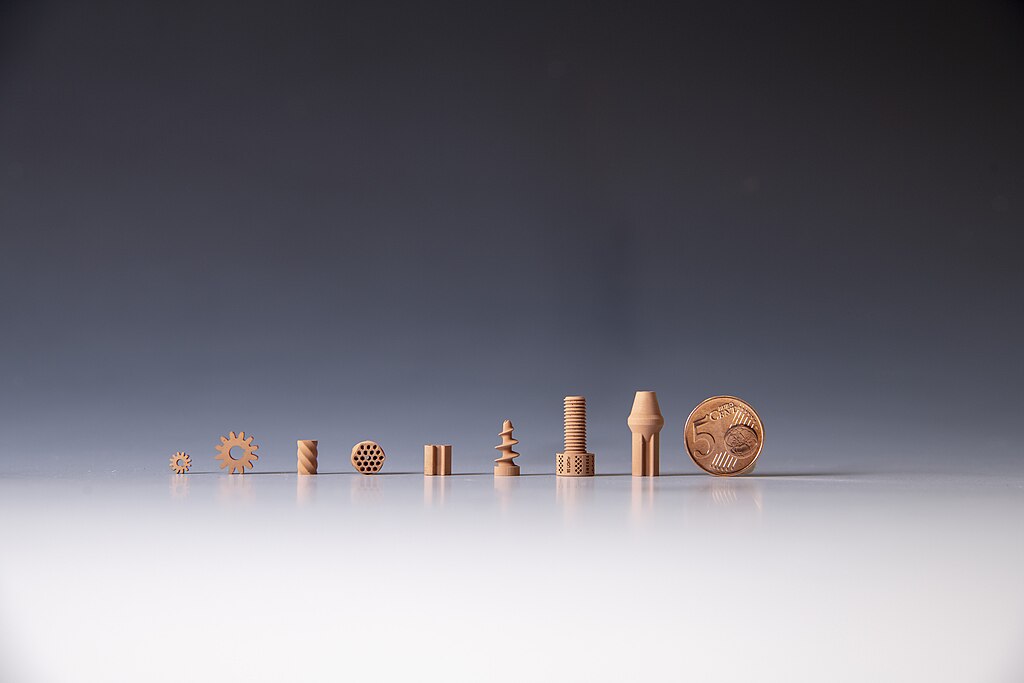
3D printing technology has taken the world of tile design by storm. This innovative process allows for the creation of intricate, customizable patterns that were previously unattainable with traditional tile-making techniques. Whether you’re looking for bespoke textures, custom designs, or unique color combinations, 3D-printed ceramic tiles offer limitless potential for personalization. With this technology, homeowners and designers can now create tiles that align with their vision in ways never before possible.
Eco-Friendly Tile Production
With increasing environmental awareness, tile manufacturers are focusing on sustainability. Eco-friendly ceramic production processes are now widespread, including using solar-powered kilns, recycled materials, and responsibly sourced clay. Lava stone and terracotta tiles are naturally sustainable, as they come from locally sourced materials that require minimal processing, making them an excellent option for eco-conscious consumers.
As consumers demand more sustainable building materials, terracotta, ceramic, and lava stone tiles stand out as environmentally friendly choices that don’t compromise on quality, beauty, or performance.
New and Innovative Uses for Terracotta, Ceramic, and Lava Stone Tiles
While terracotta, ceramics, and lava stone tiles have long been used for flooring, backsplashes, and outdoor installations, these materials are now being explored for a host of exciting new applications that you may never have thought about.
Lava Stone Tiles for Heating Solutions
Given the natural heat retention properties of lava stone, these tiles could be used in heating panels or underfloor heating systems. When combined with radiant heating technology, lava stone tiles can efficiently absorb and distribute warmth, making them ideal for energy-efficient heating solutions in colder climates.
Terracotta Tiles in Food Industry Applications
Terracotta tiles have a natural ability to regulate temperature, making them an interesting choice for the food industry. These tiles could be used in cooling tables for fresh produce or as insulating surfaces for ovens and grills. Their temperature-regulating properties could help create more sustainable food preparation environments.
Ceramic Tiles for Solar-Powered Urban Design

In the realm of urban design, ceramic tiles could be incorporated into paving systems that integrate solar panels. These tiles would serve not only as attractive, functional pavement surfaces but also as energy-generating systems, helping to power streetlights, public buildings, and other infrastructure.
Lava Stone Beyond Sicily: Other Regions that Embrace Its Potential

Department of the Interior/USGS
U.S. Geological Survey/photo by J.B. Judd
While Sicily is home to some of the most celebrated lava stone tiles, other cultures and regions also embrace the unique qualities of this volcanic stone. One of the most famous examples is the island of Iceland, where lava stone has been utilized for centuries, both for construction and landscaping. In Iceland, lava stone is not just a natural feature but a fundamental material used to build homes, churches, and even entire villages in volcanic regions. The Icelandic tradition of using lava stone for flooring and structural purposes is rooted in its abundant availability, thermal properties, and resilience to harsh weather conditions.
In Hawaii, lava stone tiles are a staple in both traditional and modern architecture. Hawaii’s volcanic landscape has made lava stone a natural building material for centuries, and today, it’s used for landscaping, paving, and outdoor living spaces. The porous nature of lava stone helps with drainage, making it ideal for landscaping in regions prone to heavy rain.
In Japan, lava stone plays an essential role in the design of zen gardens, temples, and hot spring resorts. The stone’s calming qualities and natural beauty make it a preferred choice for outdoor spaces meant for meditation and tranquility. Japanese architecture has long celebrated the use of lava stone in creating serene and balanced environments that connect people to nature.

Why Choose Terracotta, Ceramic, and Lava Stone Tiles for Your Home?
If you’re looking for a way to elevate your home’s design while staying true to traditional craftsmanship and embracing modern innovation, terracotta, ceramic, and lava stone tiles are the perfect choice. These materials offer a timeless combination of natural beauty, sustainability, and durability, making them ideal for a wide range of applications.
Whether you’re renovating a kitchen, designing a bathroom, or transforming an outdoor space, these tiles provide both aesthetic appeal and functional benefits that will stand the test of time. Plus, with the latest advancements in custom tile printing and eco-friendly production, you can personalize your tiles to suit your unique style while keeping sustainability in mind.
– RTV –
Recommended To Visit
Designboom
Formafantasma
 Nicola Coco
What’s your take? Drop a comment!