

The Crucial Role of Miami’s Extreme Weather in Pushing Industrial Paint Innovation
When it comes to testing the resilience of industrial paints and coatings, few environments are as demanding as the tropical climate of Miami. Known for its scorching sun, high humidity, and constant exposure to saline air, Miami is more than just a vacation destination; it’s a testing ground for some of the world’s toughest paints and coatings. This unique region offers an essential laboratory to evaluate how coatings withstand extreme conditions—insights that are helping shape the future of the coatings industry. But why is this city such a pivotal location, and how does the testing process here accelerate technological advancements in industrial paints? This article will delve into the integral role of Miami’s climate in fostering groundbreaking innovations in industrial coatings technology.
Miami: The Ultimate Testing Ground for Paint Durability
Miami’s subtropical climate presents a relentless challenge for paints and coatings. With high humidity levels, year-round sunshine, and salt-laden air from the nearby Atlantic Ocean, the city’s environmental conditions mimic the worst-case scenarios faced by paints and coatings in coastal and tropical regions around the globe. These elements accelerate the breakdown of materials, putting coatings to the test.
Key challenges posed by Miami’s weather include:
- UV Degradation: Intense sunlight breaks down chemical bonds in coatings, leading to fading, chalking, and cracking.
- Humidity and Moisture Exposure: High humidity fosters mold growth and promotes corrosion, which can rapidly degrade unprotected surfaces.
- Salt and Corrosion: Saltwater exposure accelerates the rusting process, especially in coastal cities like Miami.
- Extreme Temperature Fluctuations: Miami’s hot days and cooler nights challenge paints and coatings to maintain their integrity under constant thermal stress.
For companies in the industrial paints and coatings sector, testing in Miami isn’t just optional—it’s critical. This exposure helps manufacturers identify how coatings react to extreme conditions over time, providing valuable insights that lead to better formulations.
Driving the Future of Coating Technology: Innovations Born in Extreme Climates
Testing coatings in Miami’s harsh environment has led to groundbreaking innovations. These developments are reshaping not only the performance standards for industrial paints but also the technological landscape of the coatings industry as a whole. With the global push toward sustainability, efficiency, and environmental resilience, several key trends have emerged from this climate-focused research.

Self-Healing Coatings: Revolutionizing Durability
One of the most exciting innovations in the coatings industry is the development of self-healing paints. These advanced coatings are designed to repair themselves when scratched or cracked due to exposure to harsh environmental elements like UV rays or moisture. In a city like Miami, where weather conditions can cause rapid degradation, the ability of a coating to heal itself adds immense value, reducing maintenance needs and extending the lifespan of structures and infrastructure.
Self-healing coatings function through embedded microcapsules that release a repairing agent when the coating is damaged, thereby restoring the surface. These paints are already being used in high-stress environments such as aerospace, automotive, and marine industries, where prolonged exposure to extreme temperatures and humidity requires cutting-edge solutions.
Nano-Coatings: Harnessing the Power of Nanotechnology

Another game-changing innovation born from testing in Miami is nano-coatings. Nanotechnology enables manufacturers to create extremely durable coatings by embedding nanoparticles that enhance properties such as:
- UV resistance: Nanoparticles can provide better UV absorption, reducing degradation from sunlight.
- Water and moisture resistance: Nano-coatings offer superhydrophobic surfaces, which repel water and prevent corrosion.
- Anti-microbial properties: Nano-particles can also provide coatings that prevent microbial growth, which is crucial in humid regions like Miami.
These coatings offer enhanced protection against not only weathering but also pollutants, dirt, and salt exposure, making them ideal for coastal and tropical climates.
Climate-Resilient Coatings: Protecting Against the Worst Weather
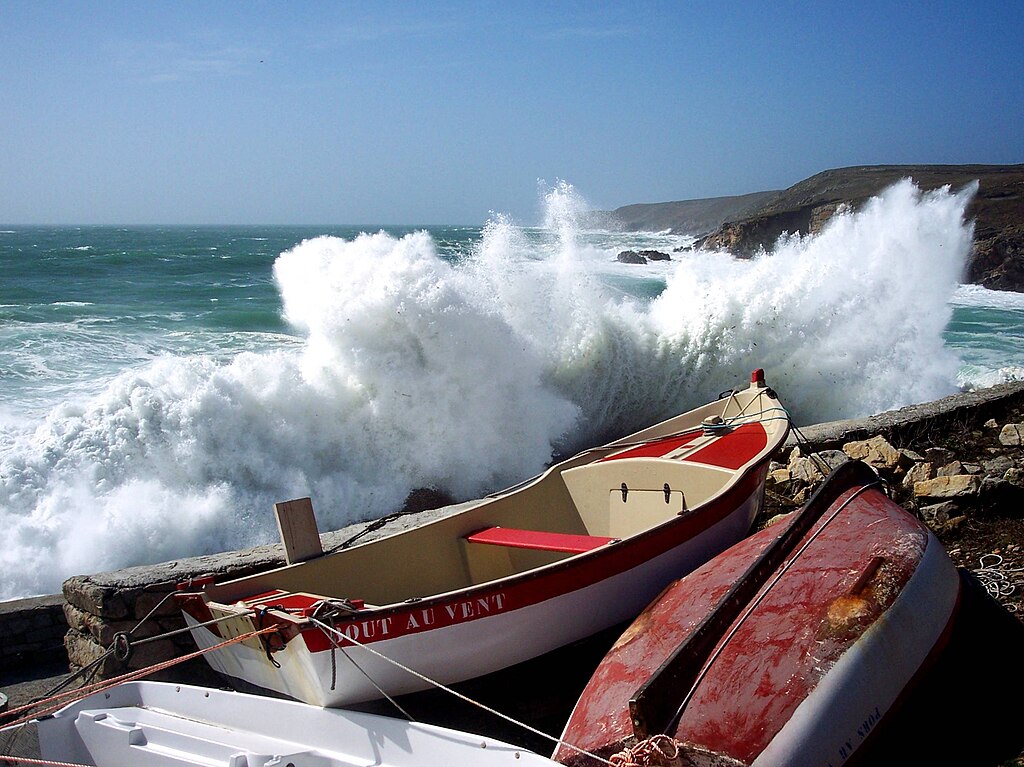
In the face of climate change and increasingly unpredictable weather patterns, the need for climate-resilient coatings has never been greater. Miami serves as the perfect testing location for paints designed to stand up to the challenges of both rising temperatures and extreme weather events.
Some of the key developments in climate-resilient coatings include:
- Heat-Reflective Paints: As global temperatures continue to rise, buildings need coatings that can reflect rather than absorb heat. Solar reflective paints not only help cool buildings but also contribute to reducing urban heat island effects, particularly important in tropical cities like Miami.
- Corrosion-Resistant Coatings: The salty air and moisture in Miami make corrosion a significant issue for infrastructure. Companies are developing coatings that protect against rust and oxidation, ensuring that structures such as bridges, pipelines, and coastal buildings remain intact even after years of exposure.
- Storm-Proof Coatings: With hurricanes and intense storms becoming more frequent, storm-resistant coatings are essential. These coatings are designed to withstand high winds and driving rain, helping buildings stay intact and protect their occupants.
Eco-Friendly Coatings: Meeting Sustainability Demands
In addition to durability, sustainability is a key focus of the industrial coatings sector. The demand for eco-friendly paints has increased, and manufacturers are rising to the challenge by developing low-VOC (volatile organic compound) and zero-VOC coatings. These environmentally friendly paints reduce the release of harmful chemicals into the atmosphere while still providing the high-performance properties needed for harsh environments like Miami.
Additionally, bio-based paints that use renewable materials are gaining traction, further contributing to the green economy. These paints are particularly relevant in coastal regions where maintaining environmental integrity is crucial to protecting both the built and natural environment.
Artificial Intelligence: Enhancing Predictive Capabilities

Incorporating artificial intelligence (AI) and machine learning (ML) into the development of coatings is another step forward in the quest for innovative and resilient products. AI can assist in predicting how coatings will perform under various weather conditions based on historical data, which allows manufacturers to optimize formulations for maximum durability.
Predictive maintenance, powered by AI, enables companies to monitor the condition of their coatings over time. For example, sensors embedded in coatings can alert building managers when a protective coating begins to deteriorate, helping to prevent further damage and streamline maintenance schedules. This technology will be a game-changer in industries such as construction, automotive, and aerospace, where coatings are critical for safety and performance.
3D Printing and Custom Coatings
The future of the coatings industry also includes 3D printing. This innovation allows manufacturers to produce custom coatings tailored to specific needs. Whether it’s for a unique architectural design or a specialized automotive application, 3D-printed coatings offer a new level of precision. In extreme climates like Miami, where customization may be required for different types of surfaces or applications, 3D printing opens up a world of possibilities.
Market Leaders in Industrial Coatings: Who’s Leading the Charge?
The global market for industrial paints and coatings is competitive, with several key players setting the pace for innovation and technology. Some of the biggest leaders in the industry include:
- AkzoNobel: Known for pioneering sustainable coatings and advancing technologies like self-healing paints, AkzoNobel has positioned itself as a market leader in developing high-performance coatings for extreme environments.
- PPG Industries: This American giant leads the way in protective coatings and automotive paints, with a strong focus on UV-resistant and corrosion-protective products.
- Sherwin-Williams: Dominating the industrial coatings sector, Sherwin-Williams is deeply invested in the development of eco-friendly, weather-resistant coatings.
- BASF: A chemical powerhouse, BASF is at the forefront of nano-coatings and corrosion-resistant coatings that are essential for Miami’s coastal infrastructure.
- Jotun: Specializing in marine coatings, Jotun is a leader in coatings designed for extreme environments, particularly in coastal areas.
Looking Ahead: The Future of Industrial Coatings
As the global demand for sustainable, climate-resistant, and technologically advanced coatings grows, testing in regions like Miami will continue to play a critical role in advancing the industry. The future of industrial coatings lies in integrating smart technologies, environmental responsibility, and durability to meet the evolving needs of industries around the world.
With the continual development of self-healing paints, nano-coatings, and climate-resilient formulations, the paint and coatings industry is poised to redefine how we approach both protection and sustainability in the built environment. Testing in Miami’s extreme conditions ensures that the coatings of tomorrow will withstand the challenges of today’s increasingly harsh climates, setting the stage for a more durable, eco-conscious, and technologically advanced future.
– RTV –
Recommended To Visit
AC Association
Paint&Coatings Industry
 Nicola Coco
What’s your take? Drop a comment!