

Fish Skin Fabrics: The Future of Sustainable Fashion
The fashion world is changing, and a wave of innovation is bringing us something unexpected: fish skin. Once seen as nothing more than a byproduct of the fishing industry, fish skin is now being transformed into a high-quality, sustainable fabric that’s capturing the attention of designers and consumers alike. This new material promises to revolutionize how we think about textiles, offering a smart and eco-friendly alternative to traditional fabrics.
But how exactly does fish skin become fabric? What’s the technology behind it, and which companies are leading this fascinating trend? Let’s dive in.
Turning Fish Skin Into Fashion: The Innovative Process
The process of turning fish skin into a wearable material is a bit like a marriage between science and craftsmanship. Fish skins—mainly from species like salmon and tilapia—are carefully treated and transformed using advanced techniques. Traditionally, these skins were discarded after fish were filleted, but now they’re seen as a valuable resource.
One of the key innovations lies in the use of fish skin’s natural collagen. Collagen gives the material its durability and flexibility, making it an ideal candidate for fabrics. Through a sustainable tanning process, the skin is softened and treated without relying on harsh chemicals. Instead, plant-based oils and extracts are used, creating a material that’s not only environmentally friendly but also more breathable and lighter than traditional leather.
In many ways, the result resembles leather—but with a distinct texture and feel that sets it apart. Plus, fish skin fabrics are biodegradable, which is a huge plus in today’s eco-conscious market. With leather being a notorious polluter, fish skin provides a viable solution that reduces waste while offering a new material that’s both functional and unique.

Innovators Leading the Charge
Several companies are already using fish skin to create textiles, and their contributions are opening up exciting possibilities for the fashion industry.
- Atlantic Leather (Iceland): This Icelandic company has been a pioneer in turning fish skin into luxury materials. They focus on using fish skins from the fishing industry that would otherwise be discarded. Atlantic Leather has become a go-to for eco-conscious brands looking for high-end fish leather, which is already being used in everything from shoes to wallets.
- Frumat (Italy): Known for its Salmon Skin brand, Frumat specializes in fish leather produced from sustainable salmon fisheries. Their tanning process is eco-friendly, using plant-based methods instead of chemicals to create a softer, more durable leather alternative. Their products are already gaining attention in the high-end fashion world.
- Kura (Argentina): Based in Argentina, Kura is another company that’s turning fish skin into a luxury material. Their trout and salmon skins are processed using a unique combination of traditional tanning techniques and modern, sustainable methods. Kura’s fish leather has already found its way into designer bags and accessories, and their commitment to sustainability is setting them apart in the industry.
- Ananas Anam (Global): Though more famous for its pineapple-based textile, Ananas Anam has been exploring the potential of fish skin as part of their broader push for sustainable fashion. This shows a growing trend where companies are branching out to discover new, eco-friendly materials for the future.

What Makes Fish Skin Fabric So Special?
What’s so exciting about fish skin fabrics? It’s the perfect blend of sustainability and style. In an industry that’s moving away from harmful, resource-draining materials like conventional leather, fish skin offers a more sustainable alternative that doesn’t compromise on quality.
Fish skin fabrics aren’t just eco-friendly—they’re also unique. Each fish skin has its own pattern and texture, making every piece of fish leather one-of-a-kind. This level of uniqueness is something that consumers and designers are increasingly valuing as we move toward more personalized, sustainable fashion.
But it’s not just about fashion. The versatility of fish skin fabric could extend far beyond accessories and into larger clothing items. As production techniques improve and the industry embraces these new materials, we could see fish skin used in jackets, shoes, and even upholstery. In fact, early experiments have already shown great promise.
Why This Matters for the Environment
The fashion industry is notorious for its environmental impact. From the water-intensive process of growing cotton to the pollution caused by traditional leather production, the need for alternatives has never been more urgent. Fish skin fabrics offer a real solution, addressing the industry’s desire for sustainable materials that don’t come with the environmental baggage.
Compared to leather, fish skin is processed using far fewer resources—especially water and energy—making it a much more sustainable option. And with its biodegradability, fish skin fabric won’t contribute to the pile of non-degradable waste that traditional leather and synthetic materials often create. In essence, this innovation could help reduce the fashion industry’s overall carbon footprint and waste output, providing a cleaner, greener option for the future.
The Road Ahead: What’s Next for Fish Skin Fabrics?
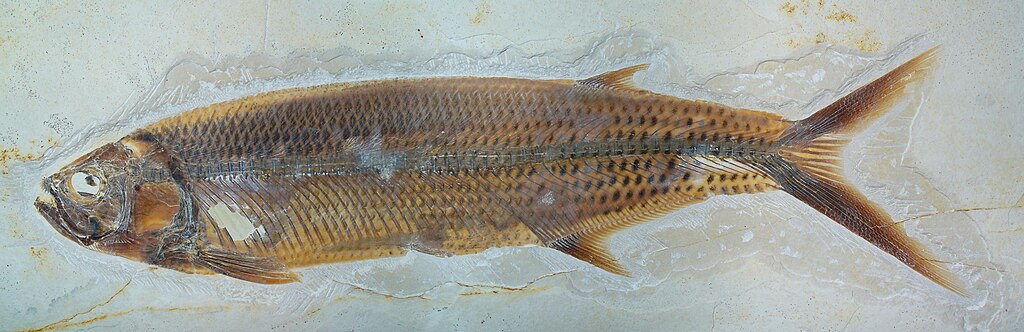
The fish skin fabric movement is still in its early stages, but its future looks bright. As more companies experiment with this material, we’re likely to see new techniques for scaling production and more widespread adoption across different segments of the fashion industry. Consumers are increasingly demanding sustainability, and fish skin fabric could be the answer that the industry has been looking for.
For now, it’s a niche material that’s used in high-end accessories and fashion. But as the process becomes more efficient and the environmental benefits become more evident, fish skin could find its way into mainstream fashion, helping to create a more circular, waste-free industry.
Conclusion: A New Era for Fashion Materials

Fish skin fabric is more than just an eco-friendly trend—it’s a glimpse into the future of sustainable fashion. By turning what was once waste into a high-quality, versatile material, innovators are showing that sustainability doesn’t have to come at the cost of style or durability.
With companies like Atlantic Leather, Frumat, and Kura leading the charge, fish skin is proving to be more than just an alternative to leather—it’s a game-changer. As the world continues to prioritize sustainability, fish skin fabrics will likely play a significant role in reshaping the way we think about materials in fashion, one fish at a time.
 Nicola Coco
What’s your take? Drop a comment!