

The Innovative Use of Bamboo as a Construction Material: Unlocking the Future of Sustainable Building
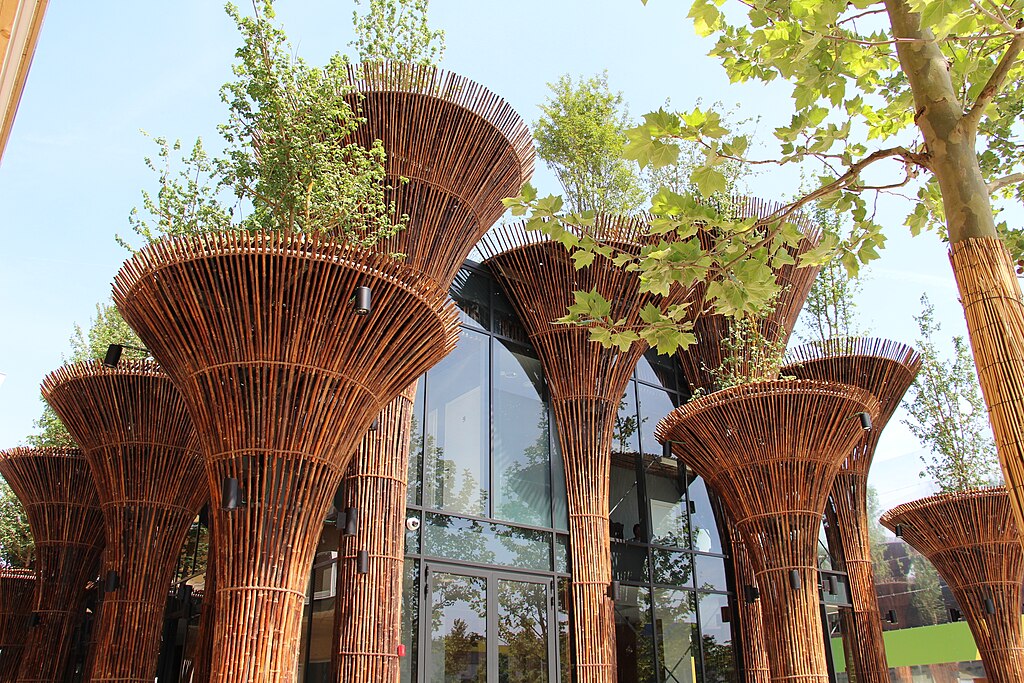
As the world moves toward more sustainable practices and environmentally conscious design, bamboo is emerging as an innovative and eco-friendly construction material. Its exceptional properties make it not only a renewable resource but also a versatile and strong alternative to traditional building materials like steel and concrete. Bamboo is no longer just a material used for crafting simple furniture or fencing; it is quickly gaining recognition as a durable, high-performance solution for modern construction.
Exceptional Properties of Bamboo
Bamboo’s strength-to-weight ratio is one of the most impressive characteristics that sets it apart from other natural materials. This grass species is incredibly strong, with certain species surpassing the tensile strength of steel, making it an excellent choice for structural applications. Despite its strength, bamboo is lightweight and easy to work with, making it an efficient material in terms of labor and transportation costs.
Its flexibility is another key attribute, allowing bamboo to absorb shocks and vibrations effectively, which makes it particularly useful in earthquake-prone regions. The rapid growth of bamboo (up to 3 feet per day for certain species) also allows it to be harvested sustainably, contributing to a smaller carbon footprint compared to conventional timber. Additionally, bamboo’s ability to regenerate without the need for replanting ensures minimal land disturbance.

Innovation in Bamboo Construction
Recent advancements in bamboo treatment, preservation, and processing technology have further enhanced its applicability in modern construction. Traditionally, bamboo was vulnerable to pests and moisture, which limited its use in construction. However, modern techniques such as heat treatment, chemical preservation, and the development of bamboo composite materials have addressed these concerns, significantly improving the longevity and durability of bamboo as a building material.
Engineered bamboo products, such as laminated bamboo, bamboo plywood, and bamboo-reinforced concrete, are now being developed, providing a wide range of applications in residential, commercial, and even industrial buildings. These innovations are making bamboo a viable alternative for high-strength applications such as flooring, walls, and structural beams, expanding its potential to create sustainable, eco-friendly buildings.
Moreover, bamboo’s versatility extends beyond its structural uses. The hollow sections of bamboo can be used for insulation, while its fibrous texture is ideal for creating biodegradable composite materials that can be used in everything from furniture to packaging, further enhancing bamboo’s eco-friendly profile.


Sustainability: A Key Advantage
Sustainability is at the core of bamboo’s appeal as a construction material. Bamboo is a renewable resource that grows much faster than traditional timber, with some species maturing in as little as 3-5 years, compared to the decades-long growth cycle of hardwood trees. This rapid regeneration makes bamboo an ideal material for construction in a world that is increasingly concerned with overexploitation of forests and deforestation.
Bamboo is also a carbon sink, meaning it absorbs more carbon dioxide from the atmosphere than many other plants, contributing to climate change mitigation efforts. As a result, bamboo plantations can help reduce the overall carbon footprint of construction projects, positioning bamboo as a key material for future sustainable urban development.

Applications of Bamboo in Construction
Bamboo has already been successfully integrated into various real-world construction projects, demonstrating its versatility and strength. In Bali, the renowned Green School has utilized bamboo to create an entire eco-friendly campus. The school buildings are designed using sustainably sourced bamboo for structural components, walls, and roofs, creating a beautiful, natural learning environment that also highlights the material’s renewable qualities.
Similarly, the Bamboo Centre in the UK uses bamboo for its innovative and sustainable office spaces. This project demonstrates bamboo’s adaptability in urban environments, where it is employed for flooring, wall cladding, and even furniture, blending modern design with eco-consciousness.
In the Philippines, The Bamboo House serves as an exemplary residential home built entirely using bamboo. This project showcases the material’s aesthetic appeal, natural insulation properties, and ability to create an energy-efficient home that stays cool in hot climates, further proving bamboo’s practical benefits in construction.
Additionally, in South America, several bamboo bridges have been constructed in rural areas to provide cost-effective, durable infrastructure in remote locations. These bridges are a perfect example of bamboo’s capacity to solve practical challenges, offering a sustainable solution where traditional materials may not be viable, and they demonstrate the material’s strength and longevity in civil engineering applications.
These examples highlight how bamboo is not only a material for the future but one already making an impact today across different sectors and regions.

The Future of Bamboo in Construction
Looking ahead, the future of bamboo in construction is bright. As the construction industry moves toward greener, more energy-efficient buildings, bamboo is increasingly being seen as a game-changer. With the growing awareness of its environmental benefits and its potential as a high-performance material, we can expect to see more research and development into bamboo’s applications, particularly in the areas of architecture, urban planning, and prefabricated building systems.
Bamboo’s ability to create carbon-neutral or even carbon-positive structures makes it a powerful tool in the fight against climate change. Architects, engineers, and construction professionals are exploring how bamboo can be integrated into both new buildings and renovations, from residential homes to larger commercial projects.
While bamboo still faces challenges in terms of standardization and acceptance within the construction industry, its future remains promising. As more building codes and regulations evolve to incorporate sustainable materials, the demand for bamboo-based solutions will likely rise. Collaborative efforts from research institutions, environmental groups, and industry leaders will continue to drive innovation, further cementing bamboo’s place in the future of construction.
Conclusion
Bamboo’s exceptional properties, coupled with its sustainable advantages, make it one of the most exciting materials for the future of construction. As innovation in bamboo processing and treatment technologies continues, the material’s potential will only expand. With its rapid growth, low environmental impact, and high-strength characteristics, bamboo offers a compelling solution to the challenges of sustainable construction. It is not just a material of the future; it is a key part of creating a greener, more sustainable built environment today. The next frontier in construction is here, and bamboo is leading the way.
– RTV –
Recommended To Visit
Bamboou
Bamboogrove
Architizer
 Nicola Coco
What’s your take? Drop a comment!