

The Growing Impact of RFID and NFC Technologies Across Industries
In the rapidly evolving world of modern technology, Radio Frequency Identification (RFID) and Near Field Communication (NFC) are playing crucial roles in transforming industries. These systems are pivotal in improving efficiency, security, and user experience, reshaping sectors ranging from retail and logistics to healthcare and manufacturing. As we delve deeper into the capabilities and applications of these technologies, it becomes clear that RFID and NFC are not just trends—they are essential components of the future.
Understanding RFID and NFC Technologies: A Closer Look
At their core, both RFID and NFC operate by enabling wireless communication through radio waves, but each serves a distinct purpose and operates in slightly different ways:
- RFID: Radio Frequency Identification uses electromagnetic fields to automatically identify and track tags attached to objects. An RFID system typically consists of a tag (with a microchip and antenna) and a reader. The reader sends a signal to the tag, which responds by transmitting its stored data. RFID systems operate across a broad range of frequencies, with UHF (Ultra High Frequency) RFID being the most prevalent in large-scale applications due to its longer range and higher data transfer speeds.
- NFC: A subset of RFID, NFC is designed for short-range communication, typically within a range of 4 cm or less. NFC enables two-way communication, making it ideal for applications that require close proximity interactions, such as contactless payments, mobile ticketing, and secure access control.
While RFID covers a wider range of applications and is typically used for large-scale asset tracking, NFC is often the preferred solution for consumer-facing technologies like payment systems and mobile communication.
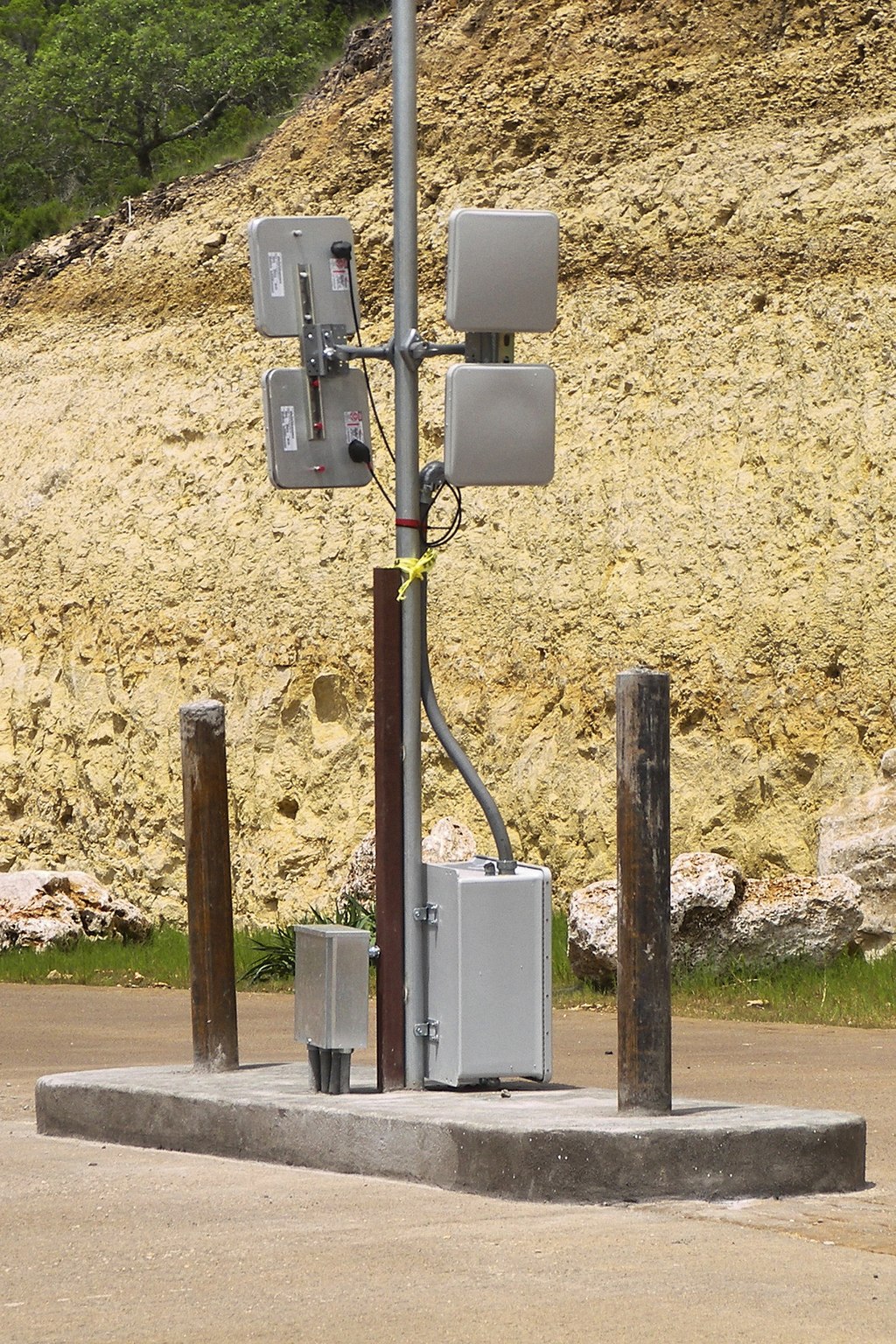

Applications and Innovations of RFID and NFC in Various Industries
Both RFID and NFC systems have revolutionized several industries, enabling greater accuracy, efficiency, and data management capabilities. Below, we explore some of the most influential sectors leveraging these technologies.
1. Revolutionizing Retail and Consumer Goods
In the retail industry, RFID has become indispensable for streamlining operations and improving customer service. Retailers can use RFID technology to track products from the warehouse to the store shelf, ensuring stock is always accurate and available for customers. This real-time visibility minimizes errors and helps companies optimize stock levels, reducing the risk of stockouts and overstocking.
Furthermore, RFID-based inventory management systems allow for hands-free, automated stock taking, enabling retailers to conduct inventory counts in a fraction of the time it would take manually. This leads to better resource management, cost savings, and a more efficient supply chain.
NFC, on the other hand, has become a staple in the realm of contactless payments. Consumers can make quick, secure transactions by simply tapping their smartphones or cards on NFC-enabled terminals. This seamless process enhances the customer experience, especially in environments like grocery stores or public transportation systems, where speed and convenience are paramount. NFC also enables loyalty programs and personalized promotions, allowing businesses to engage customers in novel ways and build stronger relationships.

2. Enhancing Healthcare with RFID and NFC
The healthcare sector has seen transformative advancements due to the integration of RFID and NFC technologies, especially in the fields of asset tracking, medication management, and patient identification. Hospitals and clinics are now able to track medical devices, tools, and pharmaceuticals, ensuring that high-value assets are always available and that medications are accurately dispensed.
RFID tags on medical equipment allow healthcare providers to monitor the location and status of devices, preventing loss and reducing the need for manual inventory checks. In emergency situations, this can significantly speed up the availability of critical tools, ultimately saving lives.
Moreover, RFID wristbands are becoming a standard for patient identification. These wristbands link directly to the patient’s medical records, ensuring that treatments are administered accurately and reducing the risk of medical errors. The technology also facilitates the real-time tracking of patients, making it easier for healthcare providers to locate patients in busy hospitals.

3. Optimizing Logistics and Supply Chain Management
RFID technology has become an integral part of supply chain optimization. With RFID-enabled tags attached to products, containers, or pallets, companies gain real-time insights into the movement of goods throughout the entire supply chain, from manufacturers to retailers. This data allows businesses to make faster, more informed decisions, ensuring smoother logistics operations and better inventory control.
In industries like shipping and warehousing, RFID is used to automate inventory management and provide visibility into the status of goods in transit. RFID-equipped shipping containers or pallets enable companies to track their cargo’s location, whether on a truck, in a warehouse, or on a ship, reducing the risk of loss or delay.
Furthermore, by pairing RFID technology with IoT (Internet of Things) devices, companies can create interconnected systems that send real-time updates on the status of goods, monitor conditions (such as temperature and humidity for sensitive items), and predict potential disruptions before they occur.

4. Industrial Applications and the Automotive Industry
In the industrial sector, RFID and NFC systems are being deployed for asset management, tool tracking, and production monitoring. RFID tags can be attached to machinery and tools to track their usage and ensure timely maintenance, reducing the risk of machine failure or downtime. In complex manufacturing environments, where equipment is often moved between different stations, RFID tags ensure that workers have real-time access to equipment status, preventing delays and improving workflow.
The automotive industry is also utilizing RFID and NFC to manage the vast inventory of components used in vehicle production. RFID tags are used to track parts across the supply chain, ensuring that the right components are available at the right time. Additionally, these technologies help manufacturers keep track of vehicle parts in service centers, facilitating efficient repairs and maintenance.

5. The Role of RFID and NFC in Sustainable Practices
As global concerns about sustainability continue to rise, RFID and NFC technologies are helping businesses reduce their environmental footprint. One of the most significant innovations in this area is the development of eco-friendly RFID tags, which are made from paper-based materials instead of plastic. These tags help reduce the use of non-recyclable plastics, aligning with companies’ efforts to improve sustainability.
Smart packaging, powered by NFC, is also creating a more sustainable approach to consumer goods. With NFC-enabled packaging, companies can interact directly with consumers by providing detailed information about the product’s origin, ingredients, and even instructions for recycling. This added layer of transparency builds trust with consumers while also promoting sustainable consumption.

6. The Future of RFID and NFC Technologies
Looking ahead, both RFID and NFC technologies are set to play even larger roles in the digital transformation of various industries. Emerging trends such as smart cities, blockchain integration, and IoT (Internet of Things) are enhancing the capabilities of these technologies.
- Integration with IoT: As more devices become connected, RFID and NFC will work seamlessly within larger IoT ecosystems. This integration will drive automation and further enhance data collection, helping industries make smarter decisions.
- Enhanced Security: Both RFID and NFC systems are evolving to meet growing concerns around data privacy and security. The adoption of stronger encryption methods, authentication protocols, and tamper-proof tags ensures that RFID and NFC technologies continue to be secure and trustworthy.
- Increased Automation: In warehouses, factories, and distribution centers, RFID will enable fully automated supply chains. By integrating RFID with robotics and AI, these systems will be able to manage inventory, pack goods, and even handle quality control autonomously.

Conclusion: RFID and NFC Technologies—The Backbone of a Smarter Future
RFID and NFC technologies are at the forefront of transforming how businesses and consumers interact with the world around them. From enhancing operational efficiencies and security in sectors like retail, healthcare, and logistics to enabling new forms of customer engagement through contactless solutions, these technologies are already making an enormous impact.
As industries continue to innovate and explore new applications, the potential for RFID and NFC to drive growth, sustainability, and smarter decision-making is limitless. As these technologies continue to evolve and become more integrated into the broader landscape of connected systems, they will remain central to building a more efficient, secure, and sustainable future. The world is becoming increasingly connected, and RFID and NFC technologies are pivotal in making this shift a reality.

– RTV –
Recommended To Visit
RFID Journal
AIM Global
 Nicola Coco
What’s your take? Drop a comment!