

Desert Stone: A Multifaceted Resource Transforming Industries Worldwide
Desert stones, extracted from some of the planet’s harshest and most unforgiving environments, are gaining widespread recognition for their multifaceted applications across numerous industries. With their durability, natural beauty, and versatile properties, desert stones have become critical in a variety of sectors including construction, energy production, water filtration, and environmental management. As the world faces increasing challenges related to sustainability and resource management, desert stones offer innovative solutions to meet these global demands.
Types of Desert Stone: Key Varieties and Their Unique Properties
Desert stones come in a wide range of types, each with distinct features and advantages for different industries. Some of the most commonly used varieties include:
- Sandstone: Known for its ease of carving and rich texture, sandstone is widely used in both construction and art. It is prized for its natural color variations and is often found in exterior building facades and outdoor walkways.
- Limestone: Crucial in cement production, water filtration, and soil stabilization, limestone plays a vital role in the construction and environmental sectors.
- Travertine: With its luxurious texture and aesthetic appeal, travertine is a popular choice for interior flooring and decoration.
- Granite: Renowned for its durability, granite is commonly used in high-end construction, monuments, and countertops.
- Marble: With its elegant appearance and timeless appeal, marble is a staple in interior design and sculptural art.
- Oil Shale: Found primarily in desert regions, oil shale is a key resource for extracting unconventional oil.

Desert Stone in Construction and Architecture
For centuries, desert stones have been essential in construction, providing functional, durable, and visually striking solutions. Today, they continue to serve as foundational materials in both residential and commercial projects. Sandstone and limestone, in particular, are widely used for roads, pavements, and building facades, offering long-lasting strength and natural beauty. These stones are often selected for their ability to withstand the test of time, making them ideal for creating rustic and durable exterior structures.

Interior Design and Decoration
In interior spaces, desert stones help elevate the design with their rich textures, colors, and unique patterns. High-end kitchens and bathrooms frequently feature granite and marble countertops due to their durability and aesthetic appeal. Similarly, travertine’s natural texture makes it an ideal choice for luxury flooring. Sandstone is favored by artists for carving intricate sculptures, owing to its relatively soft texture.

Desert Stone’s Role in Energy Production
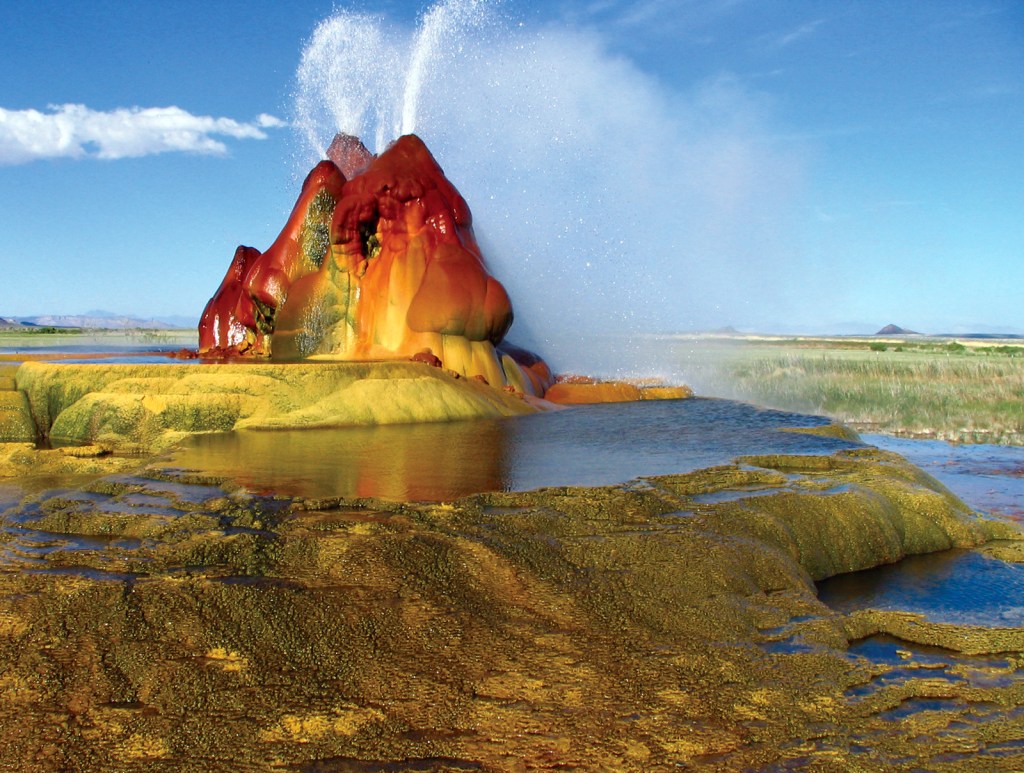
Desert stones, particularly oil shale, are crucial in modern energy production. Oil-rich shale is processed to produce kerogen, which can be converted into oil, making it an important resource for unconventional energy extraction. Furthermore, the sun-drenched deserts are being transformed into solar power hubs. Stones such as sandstone and granite are used in solar concentrators and heat storage systems to enhance solar energy generation efficiency. Additionally, regions with volcanic activity, like parts of the desert in Nevada, leverage basalt for geothermal energy projects, harnessing Earth’s natural heat to provide renewable power.
Water Filtration and Purification
In regions suffering from water scarcity, desert stones are instrumental in ensuring access to clean and purified water. The porous structure of sandstone makes it an excellent choice for water filtration, both in industrial and residential applications. Limestone is also widely used in irrigation systems to soften hard water and improve water quality.

Industrial and Manufacturing Uses
Desert stones also play a vital role in various industrial applications. Sandstone’s gritty texture makes it ideal for grinding and polishing tools, while limestone is integral to cement production, essential for concrete in infrastructure projects. Both types of stones are also used in the production of aggregates for concrete and road construction, showcasing their widespread industrial utility.
Landscaping and Environmental Design
In landscaping and environmental design, desert stones offer both aesthetic value and functional benefits. Crushed sandstone is often used for creating rustic pathways in gardens and landscapes, while large stones are employed to combat soil erosion and prevent desertification in arid regions. These stones help stabilize the land and promote long-term environmental health.
Cultural and Religious Significance
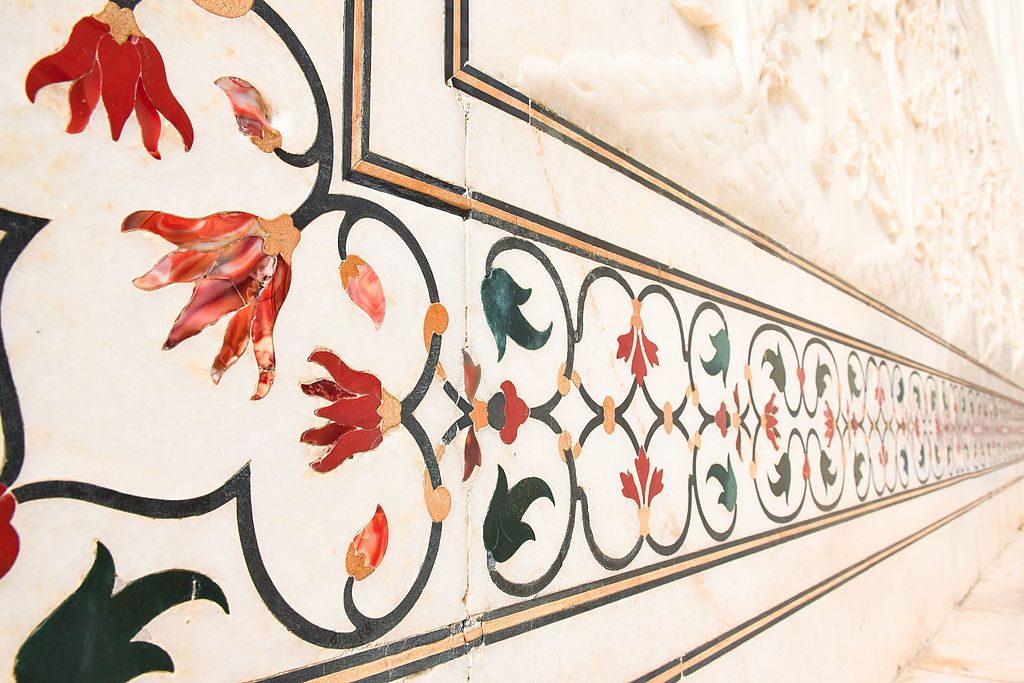
Desert stones have long held cultural and spiritual significance in various regions. Stones like turquoise and lapis lazuli have been used in jewelry, religious artifacts, and ceremonial items. In addition, many ancient and sacred structures, such as temples and mosques, have been built using desert stones, underscoring their importance in cultural heritage.
Desert Stones in Agriculture
Desert stones also play an essential role in agriculture, especially in regions where soil quality may be limiting. Crushed limestone helps adjust soil pH, optimizing it for crop growth in arid areas. Additionally, ground desert stones serve as mineral supplements to enhance soil fertility, promoting sustainable farming practices.
Environmental Management and Erosion Control
Desert stones are central to environmental management efforts, particularly in combating desertification and restoring degraded landscapes. Stone dust and other desert materials are used to stabilize soils and prevent erosion. Large desert stones, such as basalt and granite, are used to construct barriers that protect land from wind and water erosion.
Jewelry and Artistic Crafting
Beyond their practical uses, desert stones have significant cultural and artistic value. Turquoise, primarily mined in desert regions, is highly prized for its vibrant color and is widely used in crafting jewelry. Stones like sandstone and marble are often employed by artisans to create stunning sculptures, further highlighting their aesthetic qualities.
Global Use of Desert Stone
Desert stones are found in regions worldwide, each utilizing these materials for different purposes. In the Middle East and North Africa, sandstone and limestone are integral to the construction of mosques, palaces, and infrastructure, contributing to the region’s architectural heritage. In the U.S. states of Arizona and Utah, sandstone deposits are widespread, while limestone remains essential for cement production. In Australia, granite and sandstone are used for public buildings, residential designs, and landscaping.
Technological Innovations Powered by Desert Stones
Desert stones are not only central to traditional industries, but they are also driving innovations in sustainability, energy production, and environmental management.

- Energy and Sustainability: Stones like granite and sandstone are used to enhance solar energy storage systems, optimizing renewable energy solutions. Basalt is increasingly being researched for its potential in carbon sequestration, contributing to global efforts to mitigate climate change.
- Materials Science and Construction Innovations: Desert stones such as lime and sandstone are being incorporated into the development of self-healing concrete, which can naturally repair itself and extend infrastructure lifespan. Advanced filtration technologies utilizing desert stones are improving desalination processes and enhancing water purification efficiency.
- Environmental Management: Desert stones are essential in restoring arid landscapes through soil stabilization and carbon capture technologies, contributing to ecological restoration projects.
Conclusion: The Future of Desert Stones
Desert stones are emerging as a critical resource in addressing some of the world’s most pressing challenges. From their role in construction and architecture to their contributions to energy production and environmental management, these materials are proving to be indispensable in modern industries. As innovation continues to unlock new applications, desert stones will continue to play a pivotal role in the drive for sustainability and the development of new technologies. With advancements in mining practices, carbon sequestration, and water purification, the future of desert stones looks promising, offering solutions to global challenges while ensuring the preservation of our planet’s delicate ecosystems.
 Nicola Coco
What’s your take? Drop a comment!