
AquaWave
1. Fabio Lenci’s Design Legacy: Bridging Tradition and Innovation
Fabio Lenci stands as a cornerstone of Italian design, epitomizing the seamless integration of traditional craftsmanship with contemporary innovation. Born in Rome in 1935, Lenci’s career spans over six decades, during which he has reshaped a multitude of industries, from furniture design to marine engineering, aviation, and urban transport. His distinctive approach to design—anchored in technological advancement, aesthetic refinement, and user-centric solutions—has earned him a reputation as one of the foremost Italian designers of his era.

Lenci’s early exposure to the world of design and craftsmanship has been a driving force in his ability to merge functional requirements with artistic sensibilities. Since 1963, Lenci has been behind the creation of nearly 700 products, many of which have transcended conventional design paradigms. From luxurious furniture and ergonomic seating to the more complex designs in light aviation and marine vessels, his work reflects a diverse mastery of technical skills. This versatility has not only defined Lenci’s career but also established him as a thought leader in design innovation, with each product serving as a testament to his commitment to pushing the boundaries of what design can achieve.
His patented inventions—spanning a wide range of industries—showcase his ability to stay at the forefront of technological advancement. In addition to creating functional and aesthetic pieces, Lenci has focused heavily on sustainability, ensuring that his designs remain both timeless and relevant in an ever-evolving market. His research and development in eco-friendly materials and sustainable production methods speak to his forward-thinking mindset.
Lenci’s design philosophy is built on an unwavering belief that design can elevate daily life, making ordinary tasks more enjoyable and visually stimulating. His work speaks to an understanding of human needs and desires, turning ordinary objects into works of art that provide both beauty and function. Through this approach, he has made indelible contributions to sectors such as bathroom design, urban transport, and even nautical engineering, demonstrating that even the most mundane objects can hold profound cultural significance when approached with thoughtfulness and creativity.
Over the years, Lenci has also contributed to the academic sphere, serving as a professor and mentor at institutions such as the Sapienza University of Rome, where he taught product design. His pedagogical contributions have helped shape the careers of countless emerging designers, reinforcing his legacy not just as a practitioner but as a custodian of Italian design. Many of his students have gone on to shape the future of design, continuing the intellectual traditions that Lenci has cultivated over the years.
The breadth of Lenci’s work has not gone unnoticed on the global stage. His designs have been exhibited in some of the world’s most prestigious galleries and museums, including the Museum of Modern Art (MoMA) in New York, the Philadelphia Museum of Art, the Beijing Museum, and the Munich Museum of Art. His designs are not only recognized for their functionality but also for their cultural impact, symbolizing the elegance, sophistication, and technological prowess that Italian design has become known for internationally.
2. The Hybrid Mini-Pool-Pouf: Revolutionizing Residential Design

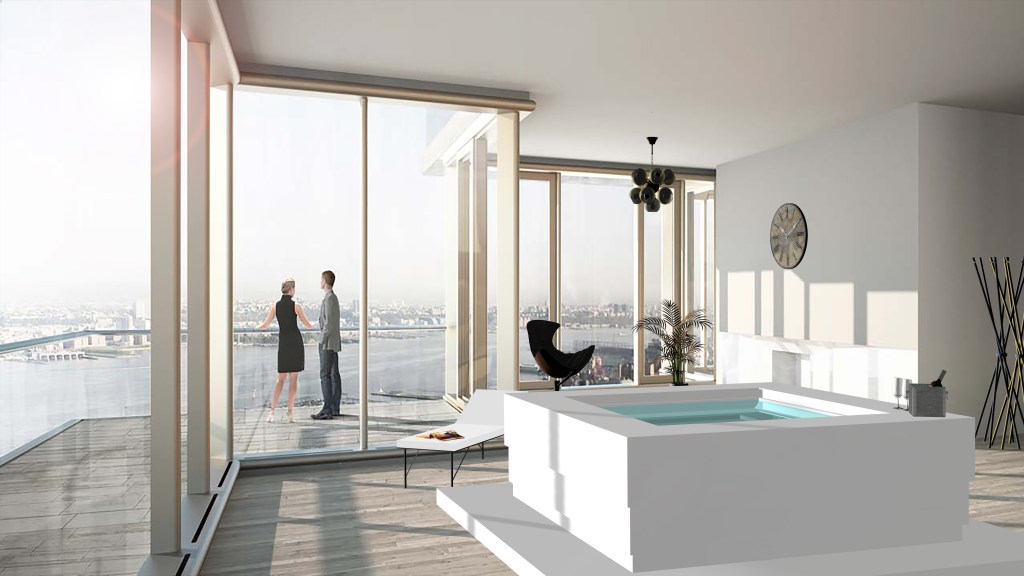
The hybrid mini-pool-pouf represents the next frontier in space-efficient furniture—an embodiment of the convergence of luxury, functionality, and comfort. Designed specifically for modern urban living, where space constraints are prevalent, this product seeks to solve a dual problem: optimizing the use of living space while providing a multi-functional solution that enhances quality of life throughout the year.
At the core of this innovation lies the principle of multifunctionality. Traditionally, mini-pools and poufs have existed in separate domains of home décor: the mini-pool as an item for seasonal use, typically relegated to summer months, and the pouf as a lounge chair for relaxation throughout the year. The hybrid design seeks to integrate both functionalities into a single, flexible product that can serve multiple purposes depending on the time of year or the need at hand.




The mini-pool, as traditionally designed, represents a place for social relaxation, recreation, and wellness. However, in many urban environments, particularly in high-rise buildings, the space occupied by a mini-pool often goes underutilized for most of the year once the summer season ends. With changing lifestyles and the reduction of available space in luxury apartments, there is a clear demand for solutions that allow consumers to make the most of their living environments.


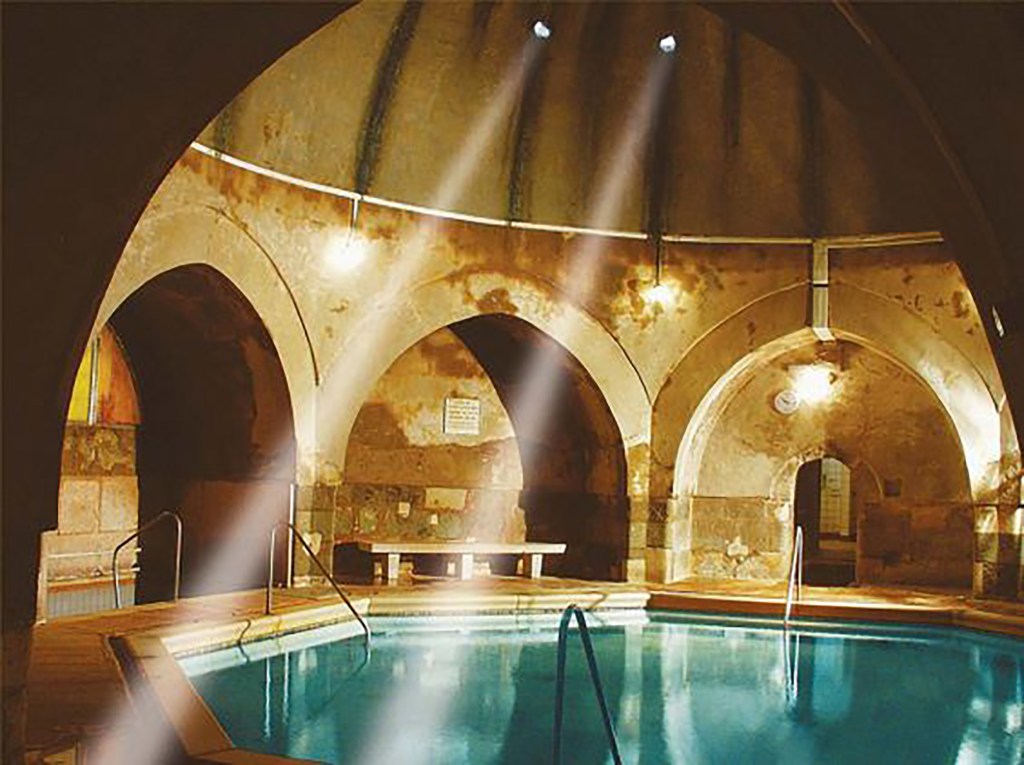
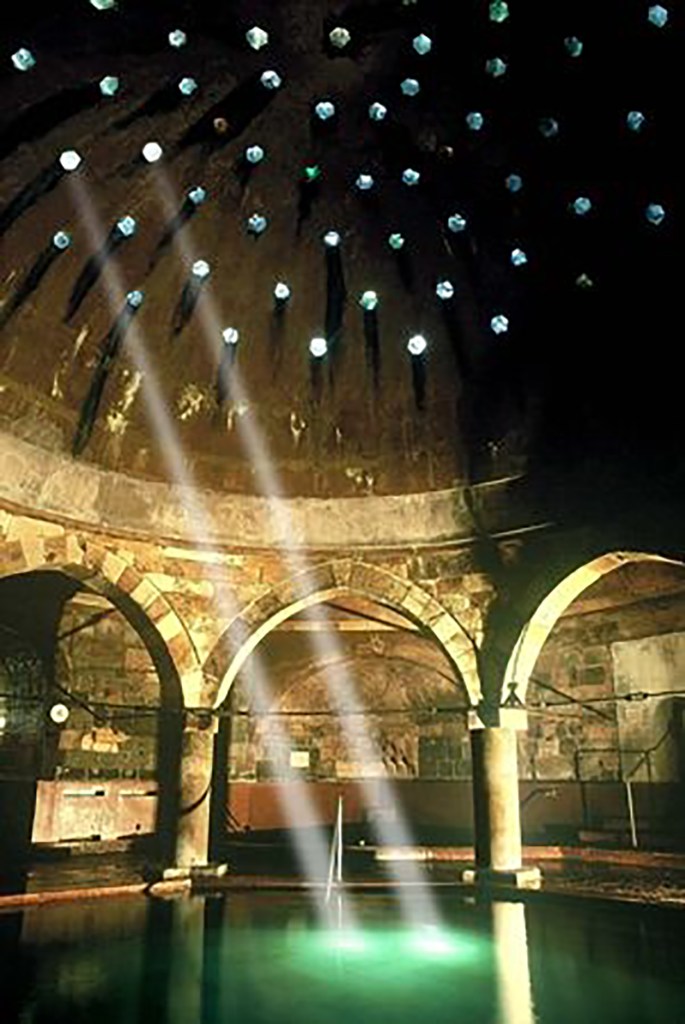
The innovative hybrid product bridges this gap by seamlessly transforming from a mini-pool into a comfortable pouf or lounge seating arrangement during the off-season. This solution reimagines how luxury and comfort can exist within confined living spaces. Whether it is utilized as a mini-pool for social gatherings and family relaxation or converted into a functional pouf for a cozy winter lounge, this product adapts to the evolving needs of its users throughout the year.
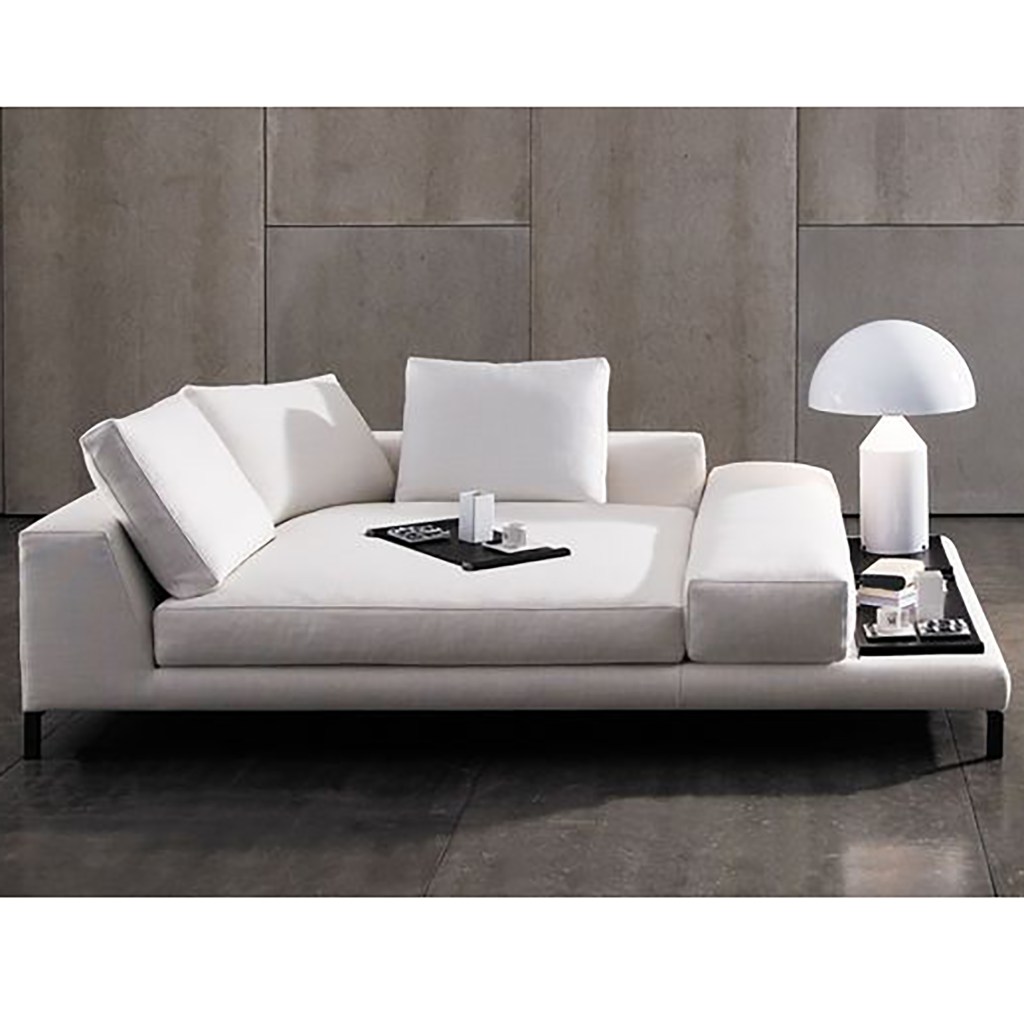


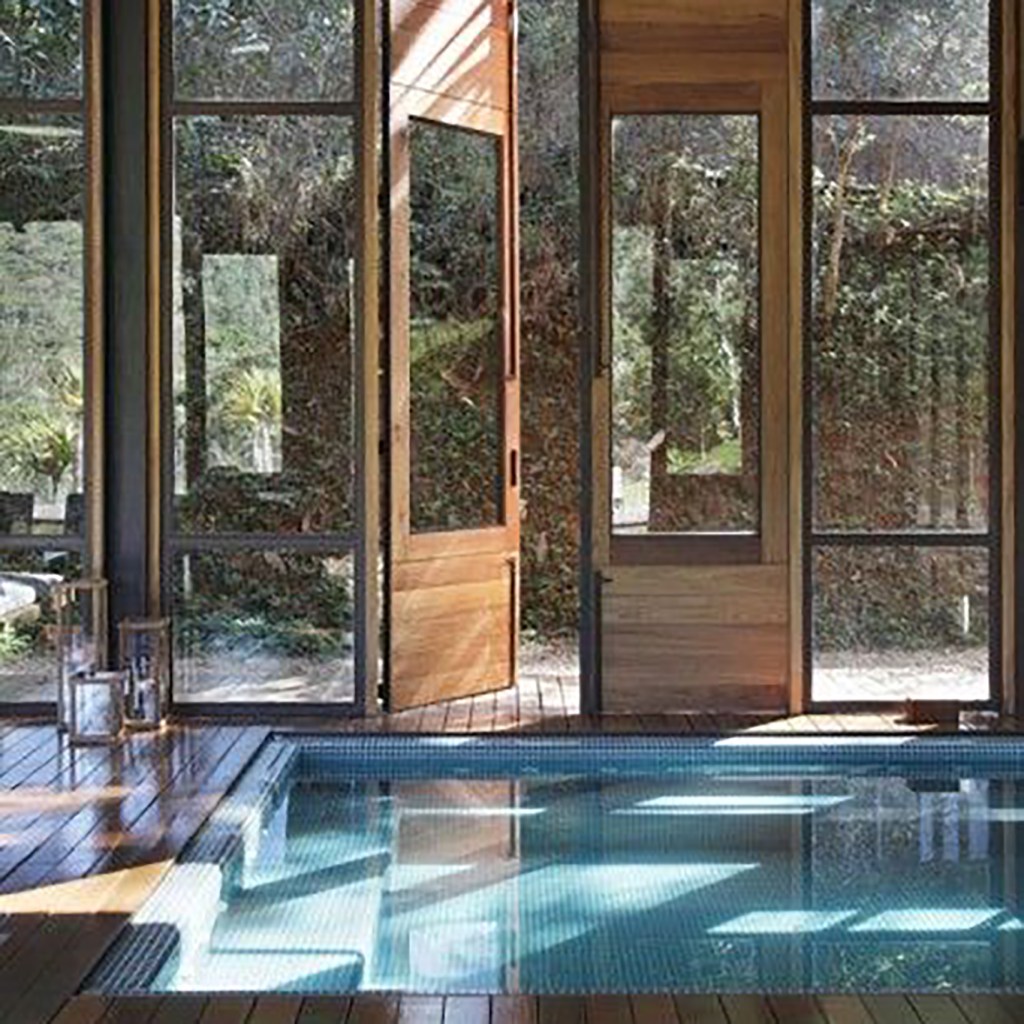

The hybrid design reflects modern living’s need for adaptability, particularly in luxury urban environments where space optimization is a priority. It capitalizes on the rising trend of multifunctional furniture that serves dual or triple purposes, reducing clutter and increasing utility in small spaces. As we see a shift towards smaller, smarter homes, products like the hybrid mini-pool-pouf represent a key innovation in creating spaces of well-being that can cater to both personal and social needs.
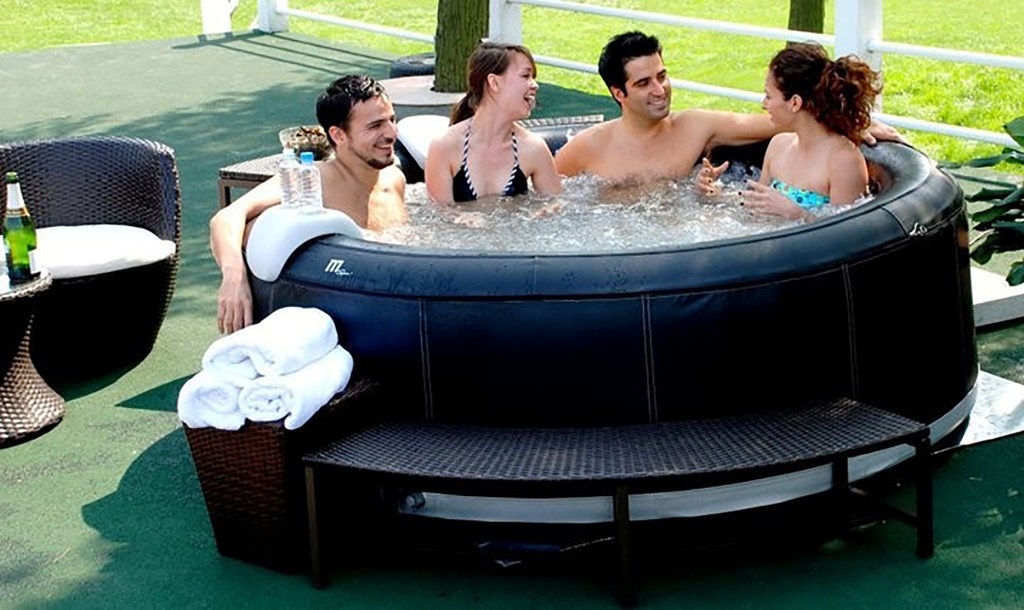
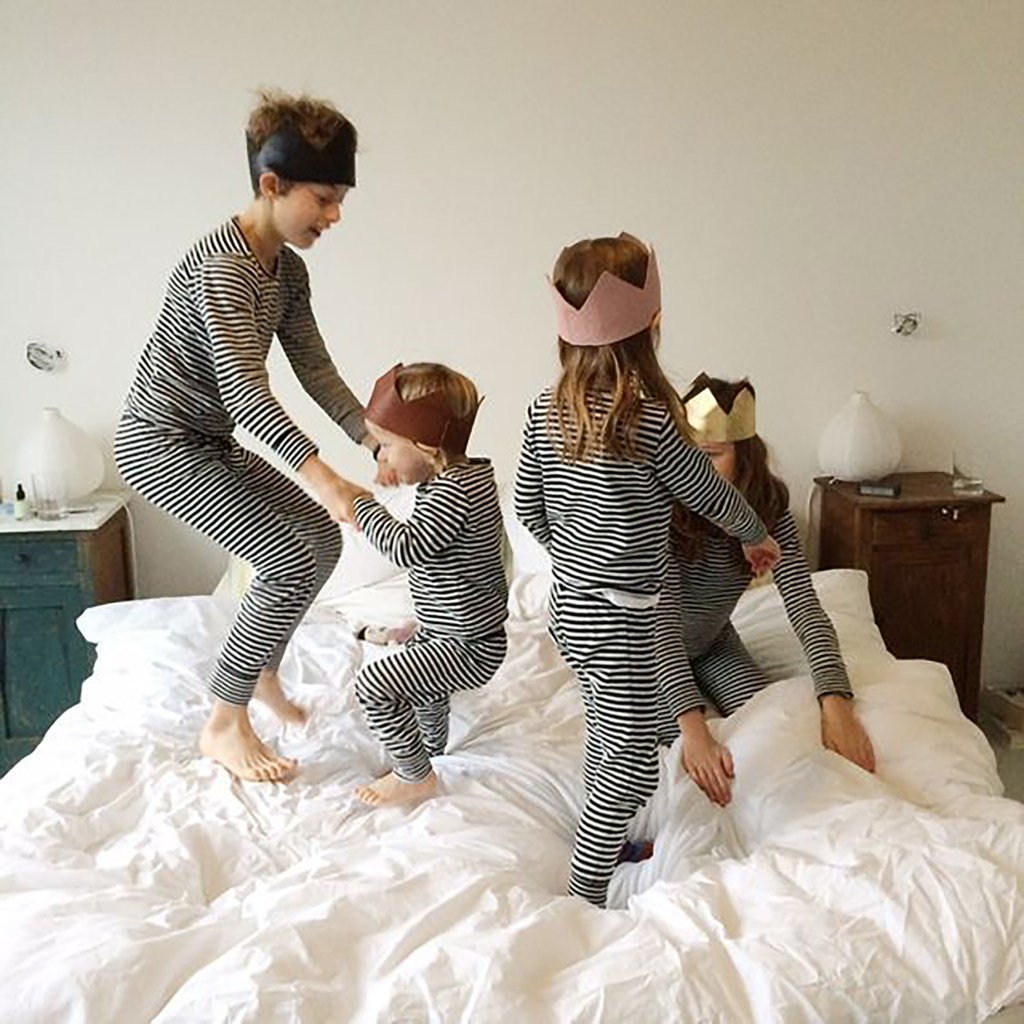


Moreover, the hybrid nature of this design encourages social interaction. Just as a sofa has evolved into the centerpiece of social and family life, the mini-pool-pouf hybrid fosters a sense of communal space—whether it is through lounging with friends on the pouf during the colder months or hosting social gatherings around the pool in the summer. The product is designed to be both a functional tool and a cultural symbol, signifying the changing dynamics of how we interact with our domestic environments and each other.
3. The Role of Ergonomics: Comfort, Health, and Well-Being
One of the core considerations in the development of the mini-pool-pouf hybrid is ergonomics—the science of designing products that enhance user comfort, support, and well-being. In both the pool and pouf configurations, ergonomics plays a critical role in ensuring that the product contributes to physical comfort while also promoting social cohesion.

3.1 Ergonomics of the Mini-Pool
The ergonomic design of the mini-pool emphasizes supportive seating and easy accessibility. The pool features strategically placed seating that encourages a relaxing posture without compromising on comfort or physical health. The seating arrangement within the pool allows users to lounge comfortably, whether they are engaging in conversation or simply enjoying the water. The goal is to ensure that the user experience is maximized, offering support to various body types while also fostering an environment conducive to wellness.
Furthermore, the integration of hydromassage capabilities adds an additional layer of relaxation. By offering users the ability to enjoy the benefits of water therapy in the privacy of their homes, the mini-pool contributes to both physical health and emotional well-being. The water’s massaging effects help reduce stress, enhance blood circulation, and promote relaxation, which is in line with the growing importance of self-care in modern society.
3.2 Ergonomics of the Pouf
When the product transitions into the pouf configuration, it retains a strong focus on ergonomics by providing a lounge seating solution that offers full-body support. The padding of the pouf is carefully crafted to ensure users can relax in a seated position without experiencing muscle strain. Whether for casual relaxation, watching television, or reading, the pouf provides a comfy resting space for individuals of various body types.
Both the mini-pool and the pouf serve to create an inclusive design that caters to users’ different needs, whether that need is for comfort during social gatherings or relaxation in solitude. The materials used in both configurations—such as high-density foam in the pouf or the reinforced PVC membrane in the mini-pool—are designed with both aesthetic appeal and functional integrity in mind. These materials combine luxury with support, ensuring that the user’s experience is optimized, regardless of which configuration is in use.
4. Materials: A Delicate Balance of Durability, Aesthetics, and Functionality
The hybrid mini-pool-pouf product relies on the careful selection of materials that balance aesthetic elegance, functional durability, and sustainability. Each material is chosen not only for its performance but also for its ability to enhance the overall user experience.




4.1 Corian
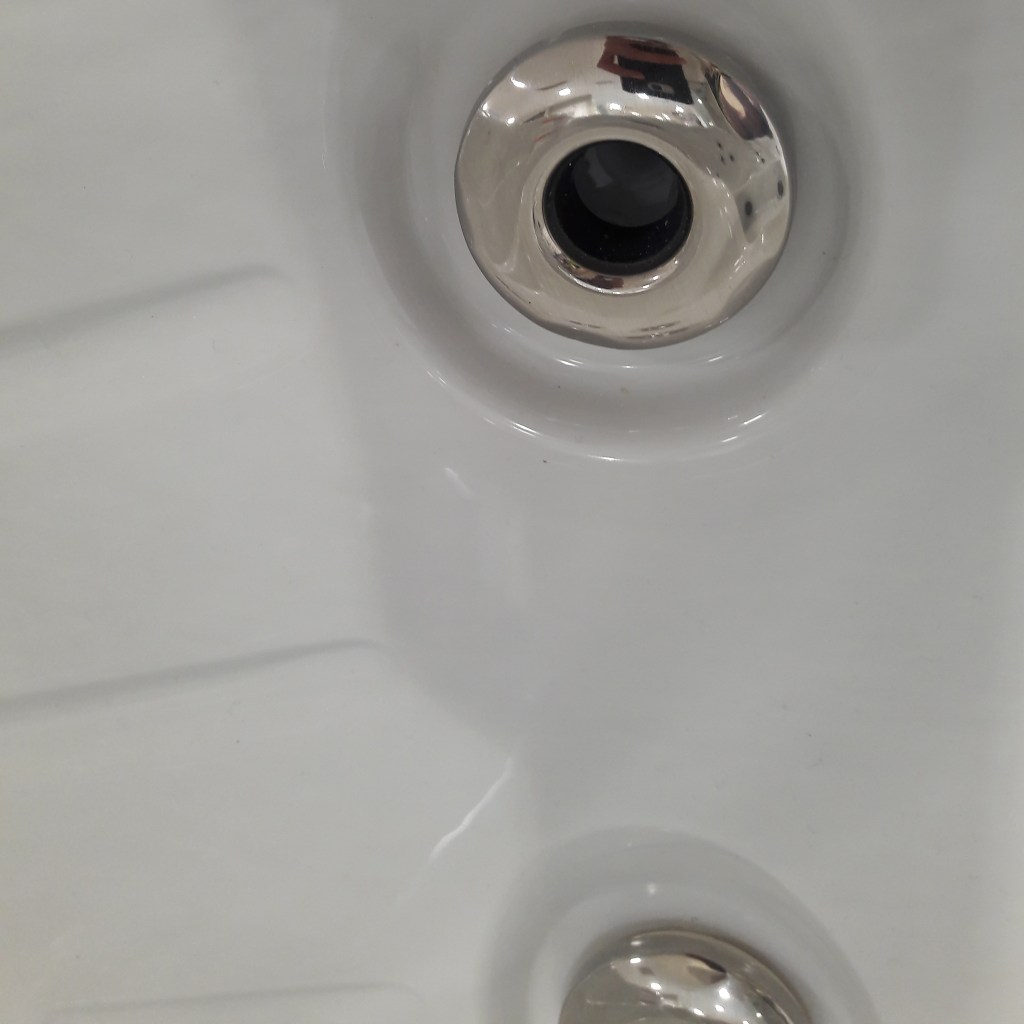
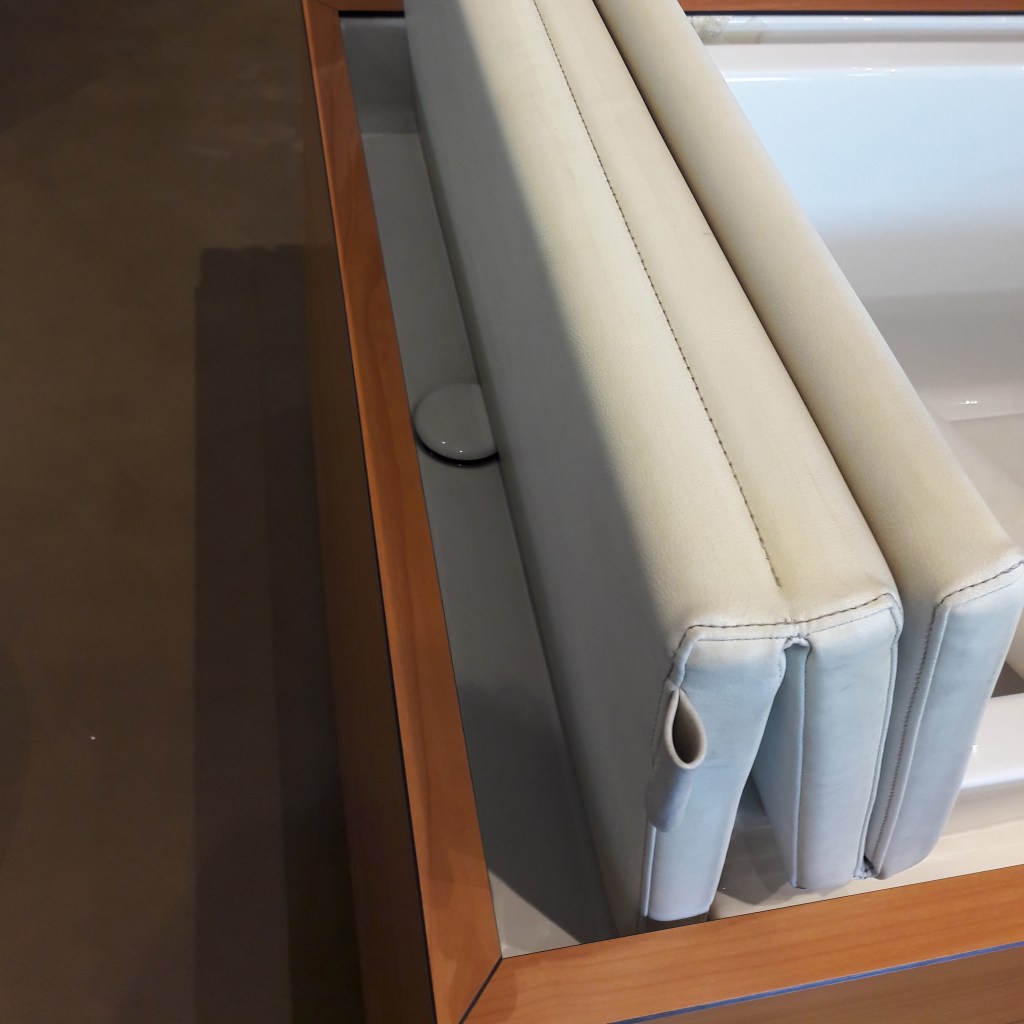
Corian, a versatile material developed by DuPont, serves as the outer shell of the mini-pool and the base covering. Known for its seamless appearance and sustainable properties, Corian is a high-performance material, often used in luxury furnishings and architectural design. Its durability, resistance to staining, and ease of maintenance make it an ideal choice for a hybrid product that must withstand exposure to water and environmental elements. Furthermore, Corian is available in a variety of colors and finishes, offering design flexibility and the ability to customize the aesthetic of the mini-pool-pouf according to different interior styles. Its smooth, modern surface contributes to the sleek, minimalistic appeal of the product while ensuring that it remains durable for long-term use.
4.2 High-Density Foam
To enhance comfort in both the mini-pool and pouf configurations, high-density foam is used in the seating elements. This material offers optimum support by distributing weight evenly, reducing pressure points, and providing a soft yet firm surface for prolonged sitting or lounging. The foam’s structure ensures that it maintains its shape over time, even with repeated use, making it a sustainable and long-lasting choice for high-use areas. Moreover, the foam is encased in waterproof fabric, allowing it to resist moisture and prevent the growth of mold or mildew, which is critical in both pool and seating settings.
4.3 Waterproof PVC and Reinforced Membranes
The hybrid product’s mini-pool function demands materials that can endure constant exposure to water. For this purpose, reinforced PVC membranes are employed to create the pool’s water-holding structure. These membranes are highly durable and resistant to punctures, ensuring that the pool remains intact and functional. The waterproofing capabilities of PVC, combined with its ability to retain flexibility even in fluctuating temperatures, make it an ideal choice for creating a reliable and robust mini-pool. These materials not only provide structural integrity but also add to the aesthetic richness of the product, maintaining a sleek and streamlined appearance.
The use of UV-resistant coatings on the PVC ensures that the pool can withstand prolonged exposure to sunlight without fading, maintaining its visual appeal even after extensive use. This feature is crucial for a product that may be used in outdoor spaces or open-air environments. Additionally, anti-slip surfaces on the bottom of the pool prevent slipping, further enhancing user safety.
4.4 Sustainable Practices and Materials
In keeping with contemporary design ethics, the hybrid mini-pool-pouf integrates sustainable materials and practices into its production. Beyond its innovative use of durable materials, there is a concerted effort to reduce the environmental footprint during manufacturing. For example, recycled materials are utilized wherever possible, contributing to a more eco-conscious production cycle. This commitment to sustainability not only addresses growing consumer demand for eco-friendly products but also helps reduce the impact of manufacturing on the environment.


Additionally, the low energy consumption required in the production and assembly of the mini-pool-pouf is a testament to a responsible design process. Manufacturers are increasingly aware of their carbon footprint, and Lenci’s product, with its emphasis on sustainability, is positioned to lead the way in offering high-end, eco-conscious design solutions.
5. The Hybrid Mini-Pool-Pouf and Social Interaction
In terms of social design, the hybrid mini-pool-pouf product encourages a new form of interaction in residential settings. Social spaces in modern homes are evolving; they are no longer confined to traditional living rooms or dining areas. Instead, spaces are being redesigned to be more flexible, allowing them to accommodate various activities and groups of people.
5.1 Facilitating Communication and Connection
One of the primary goals of the hybrid design is to foster communication and connection among family members, friends, and guests. The mini-pool element creates a shared space for leisure and relaxation, where people can comfortably engage in conversation or enjoy recreational activities. The open, flowing design of the mini-pool encourages group gatherings, inviting individuals to engage with one another in a relaxed, informal setting.
The product’s transformation into a pouf, meanwhile, supports a more intimate form of social interaction. It becomes a casual seating arrangement for group conversations, reading, or even watching a film together. The ease with which it transitions between a mini-pool and a pouf mirrors the growing demand for multi-use spaces that can seamlessly transition from one function to another.
5.2 Enhancing Family and Social Life
The versatility of this design allows it to become a central feature of family life. Families can use the mini-pool to create bonding moments during the summer months, where the pool offers a refreshing break from daily routines. As seasons change, the transformation into a pouf provides a comfortable and supportive seating area, fostering moments of relaxation and closeness during the colder months. This seamless transition between forms not only enhances the utility of the product but also allows families to enjoy continuous comfort, no matter the season.
The product also addresses a wider societal trend where personal well-being and connection with others have become integral to a high-quality living experience. By incorporating multiple forms of relaxation and engagement into a single piece of furniture, the mini-pool-pouf encourages users to spend more time interacting with loved ones and less time worrying about the limitations of their home environment.
6. Conclusion: A Symbol of Contemporary Design Innovation
The hybrid mini-pool-pouf is more than just a piece of furniture; it is a symbol of contemporary design’s shift towards multi-functionality, sustainability, and social connectivity. This innovative product captures the essence of modern living, where space is limited, and multifunctional solutions are increasingly important.
By combining the relaxation of a pool with the comfort of a pouf, Lenci has created a product that not only addresses practical concerns but also contributes to the overall well-being of its users. The mini-pool-pouf facilitates both individual relaxation and social engagement, aligning with the growing trend of designs that support holistic lifestyles—lifestyles that embrace both personal wellness and the importance of social connections.
Through its strategic use of durable, eco-friendly materials, its ergonomic design, and its focus on flexibility and user experience, the hybrid mini-pool-pouf reflects the future of luxury residential design. It represents a fusion of technology, comfort, and sustainability, serving as a prototype for future innovations that will continue to redefine what furniture can be and how it can shape our daily lives.
In sum, the mini-pool-pouf exemplifies the harmony between design innovation and practical functionality, offering a solution that elevates daily living while simultaneously meeting the demands of a rapidly changing world. It’s a statement piece for those who appreciate quality, sustainability, and the transformative power of thoughtful design.
 Nicola Coco
What’s your take? Drop a comment!