
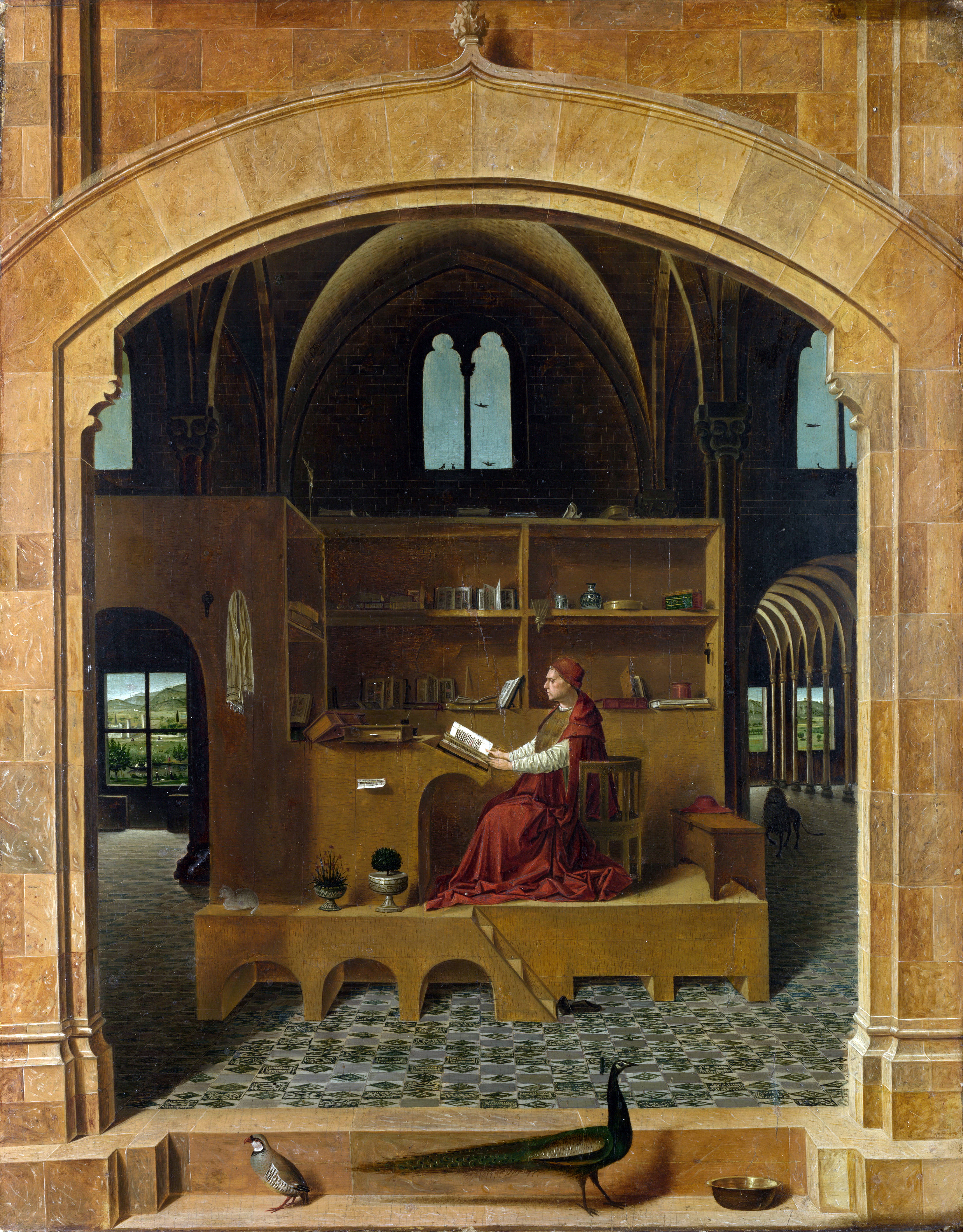
For the interior of the library at the Central Library of Architecture, La Sapienza University of Rome, I conducted a morphological analysis of the wooden furniture depicted in the painting “Saint Jerome in his Study,” focusing on elements such as the elevated space, writing desk, and bookshelves. These elements were decontextualized and positioned at the center of the room, starting from the volume of a cube. Four inclined planes with display lecterns are strategically placed at the corners of the platform, encouraging users to engage in a circular path around the structure.


Introduction
INTERIOR DESIGN CONCEPT
The design theme I followed for the interior of the library is based on artistic references. My inspiration came from Antonello da Messina’s painting “Saint Jerome in his Study” (circa 1474-1475). Saint Jerome’s study consists of a raised space with three steps, situated in a large Gothic structure with a Renaissance portico to the right. The “cell” of the writing desk appears perfectly organized, with its furniture, shelves, and other small objects like the maiolica vases for aromatic herbs and the books resting on the shelves. I drew from the raised platform element, contextualizing it within the analyzed room, and incorporated display panels as a tribute to the lectern, a key feature in the painting. The main goal of my design was to recreate a place of study, introspection, and reflection, where one can admire the volumes displayed in the library.
EXTERIOR DESIGN CONCEPT
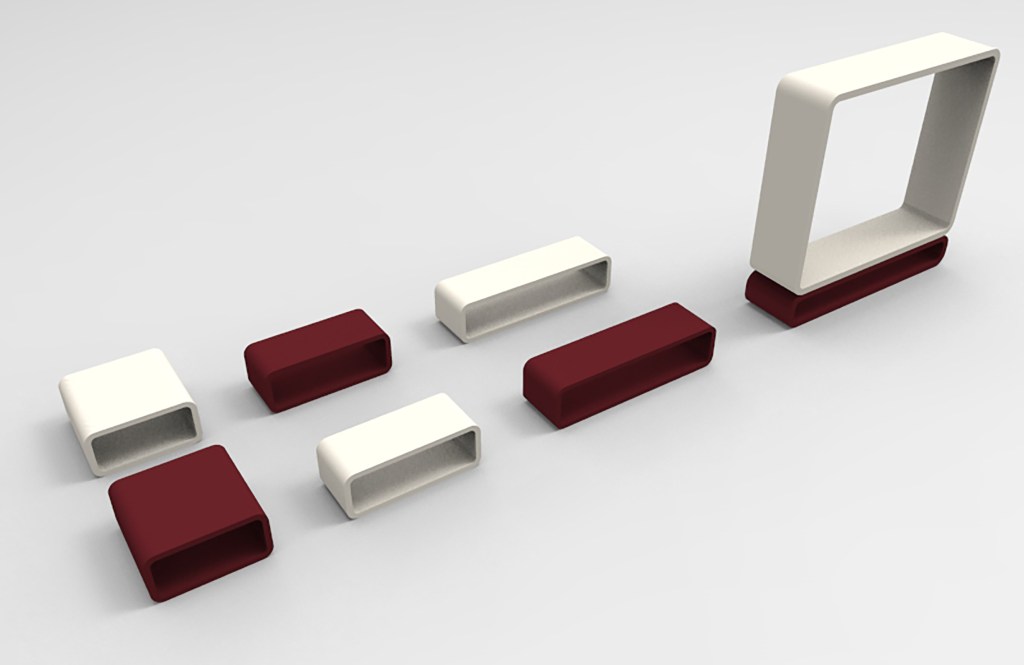
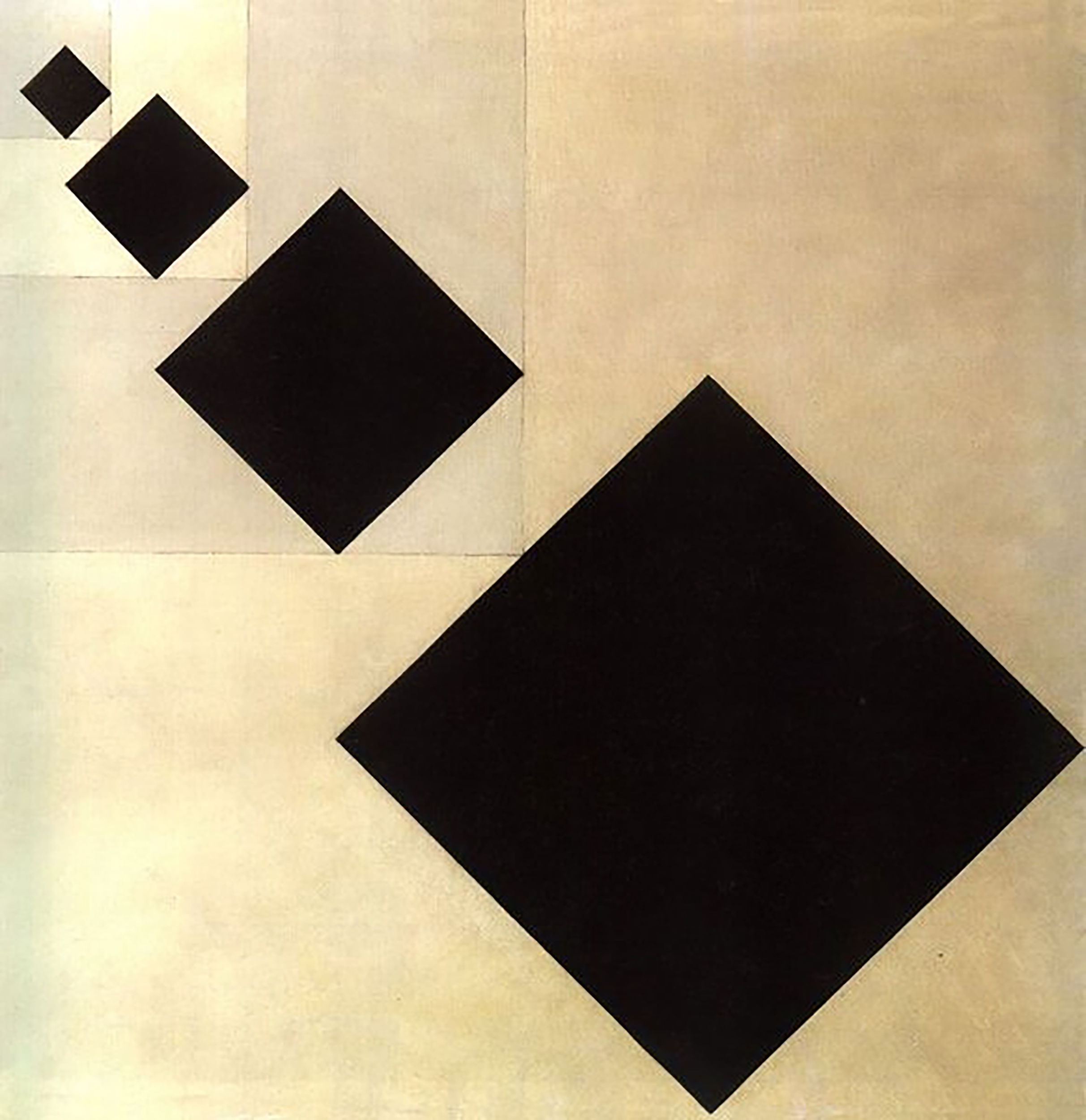
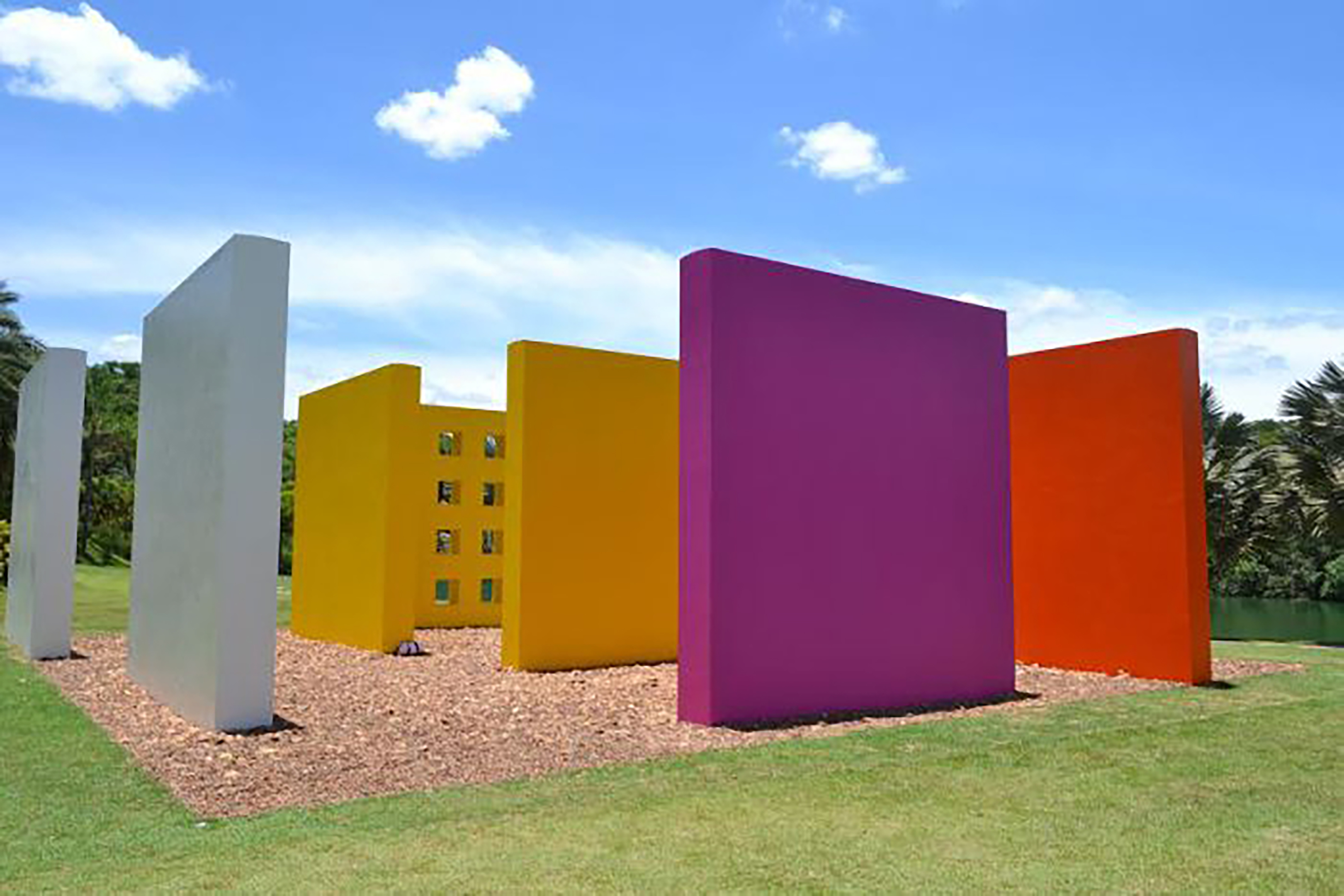
The design theme guiding me in the creation of the library’s exterior environment was the simplification of forms. I started with geometrically complex elements and progressively simplified them until I arrived at standardized modules, dimensionally related to each other through proportions and analogies. My inspiration came from the works of Mondrian and Theo Van Doesburg, prominent figures of the De Stijl movement, and the outdoor installations of Hélio Oiticica, a Brazilian visual artist.
WALLPAPER DESIGN CONCEPT
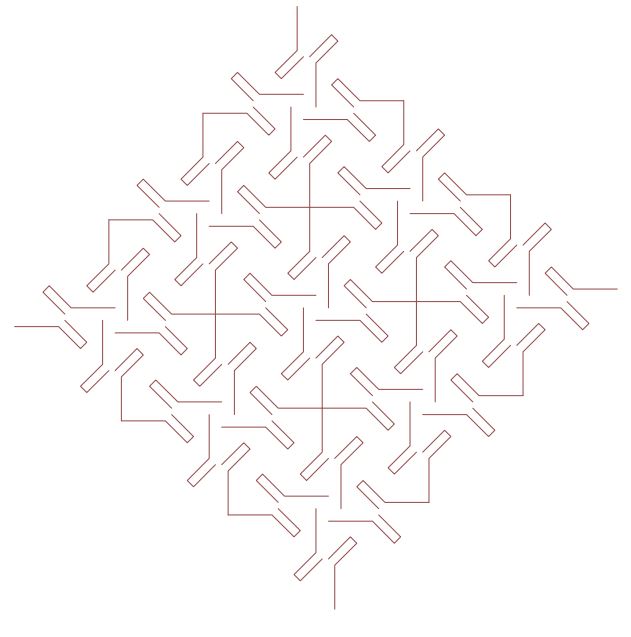
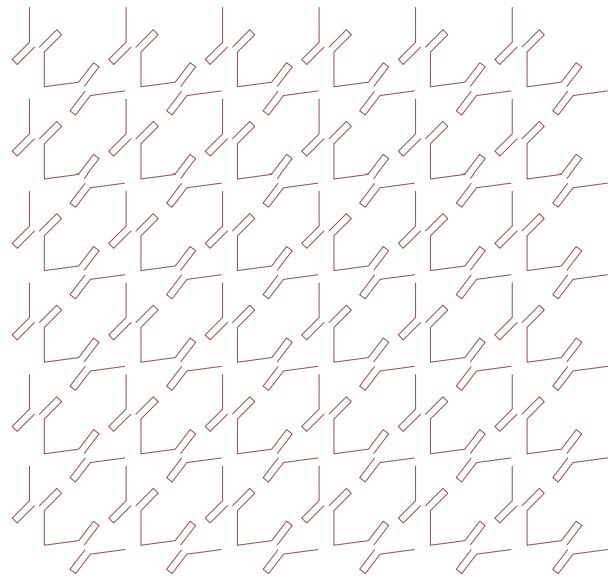
The graphic exercises I proposed for the wallpaper design all share a common denominator: the stylized profile of the lectern found in the interior exhibition space. I analyzed the side view of this element and traced its form with fine wire. I then explored various possible configurations, all based on geometric functions such as symmetries, translations, rotations, and reflections.
Development
LIBRARY SITE VISIT
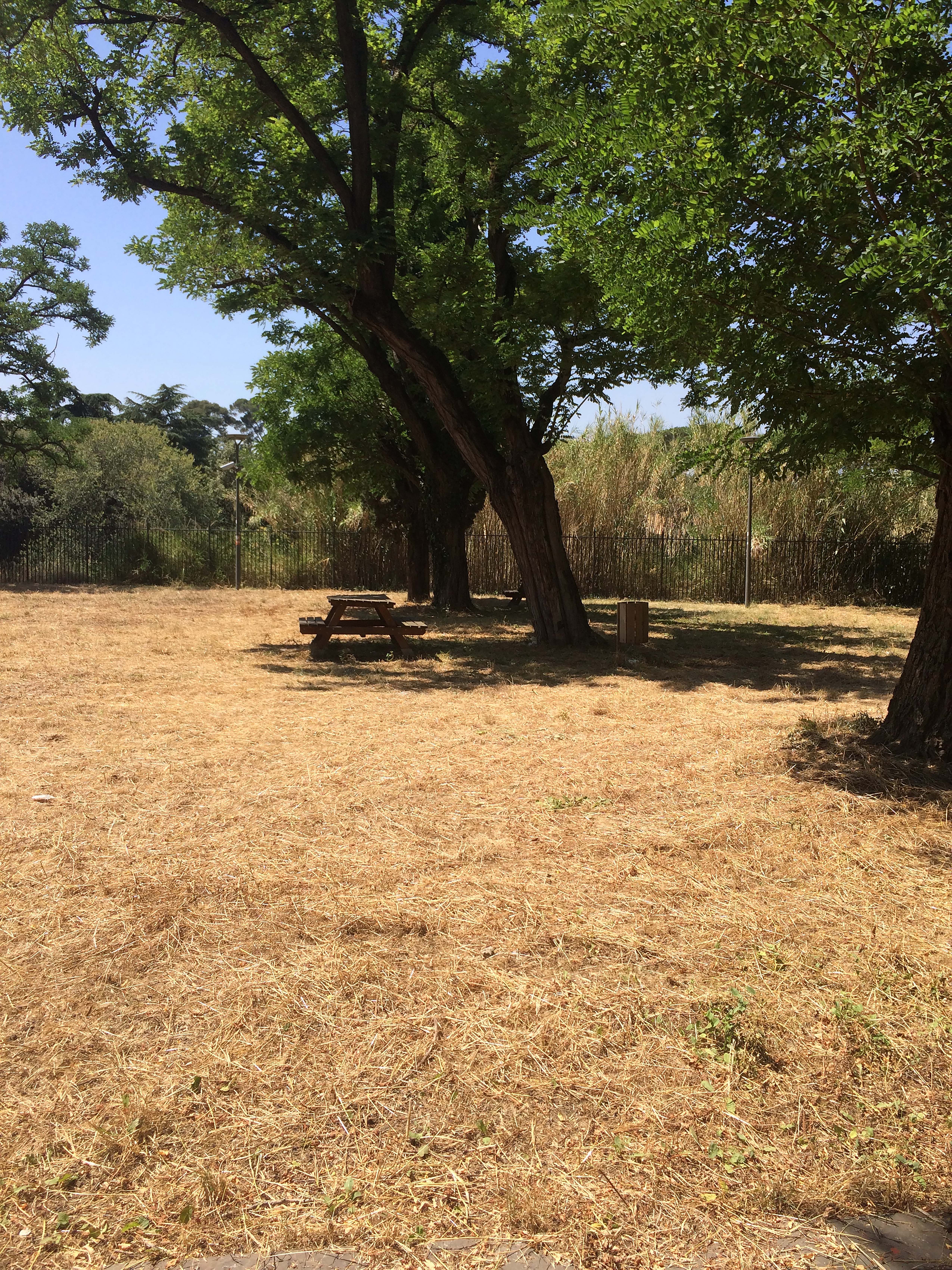
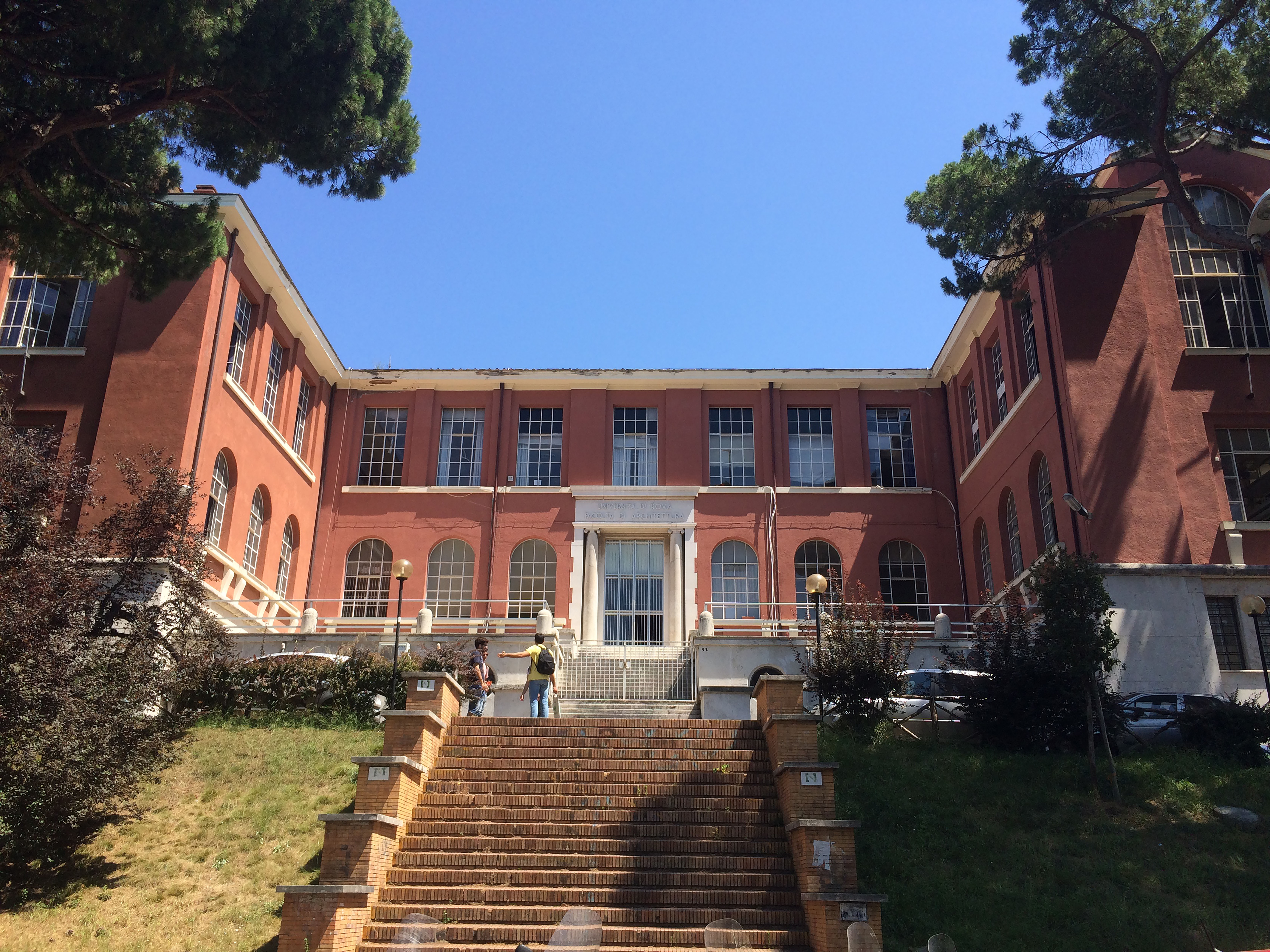
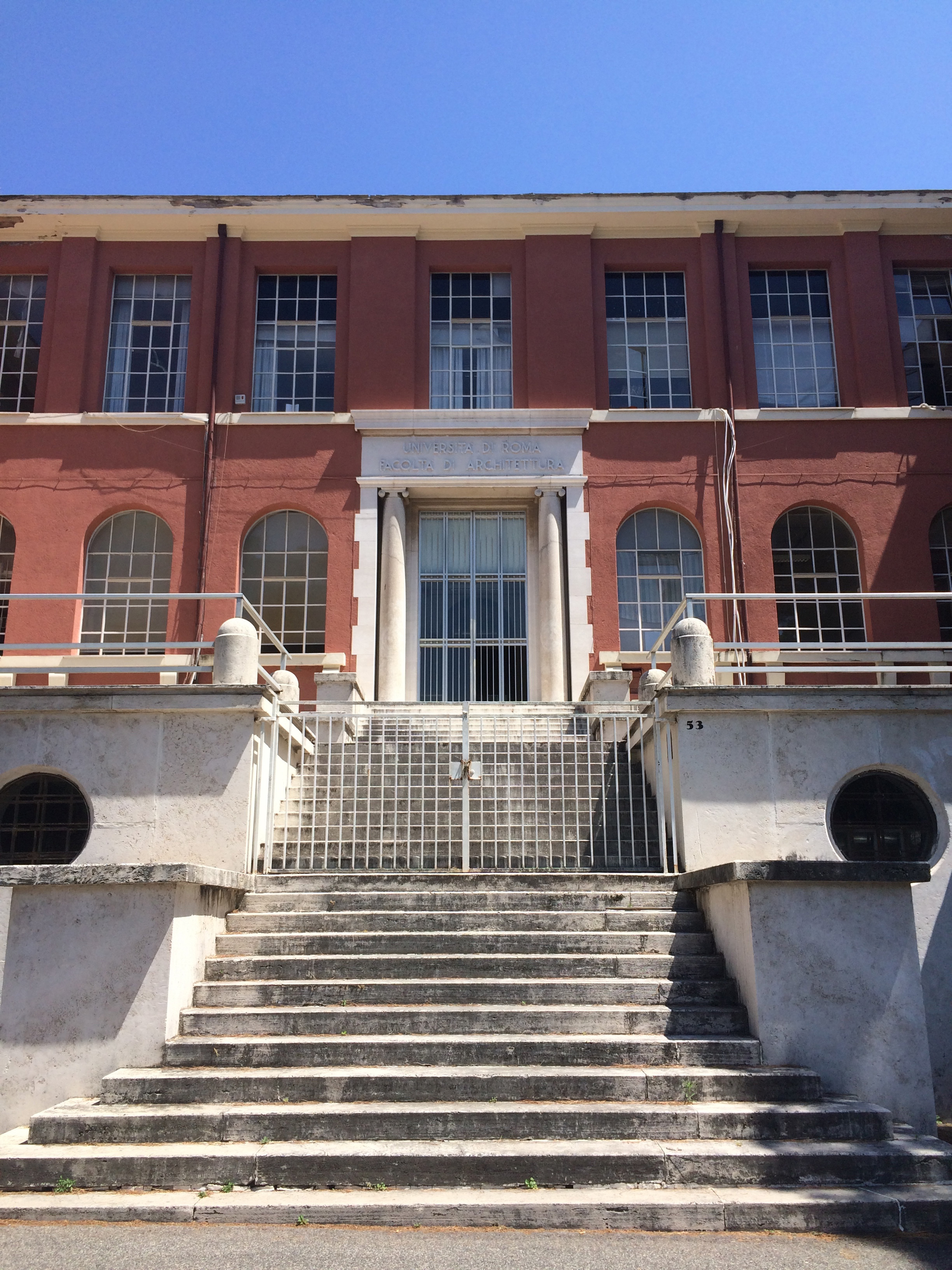
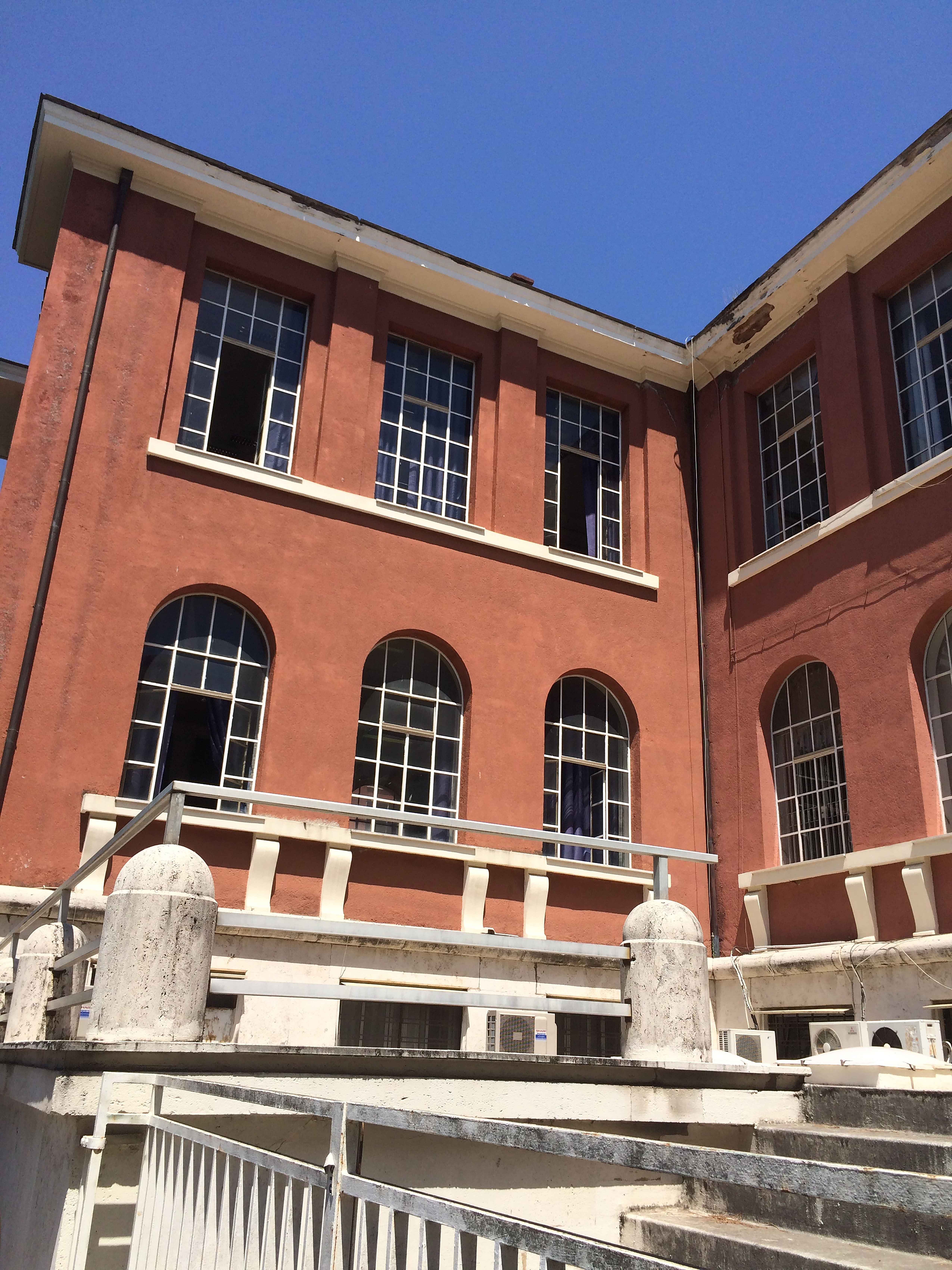
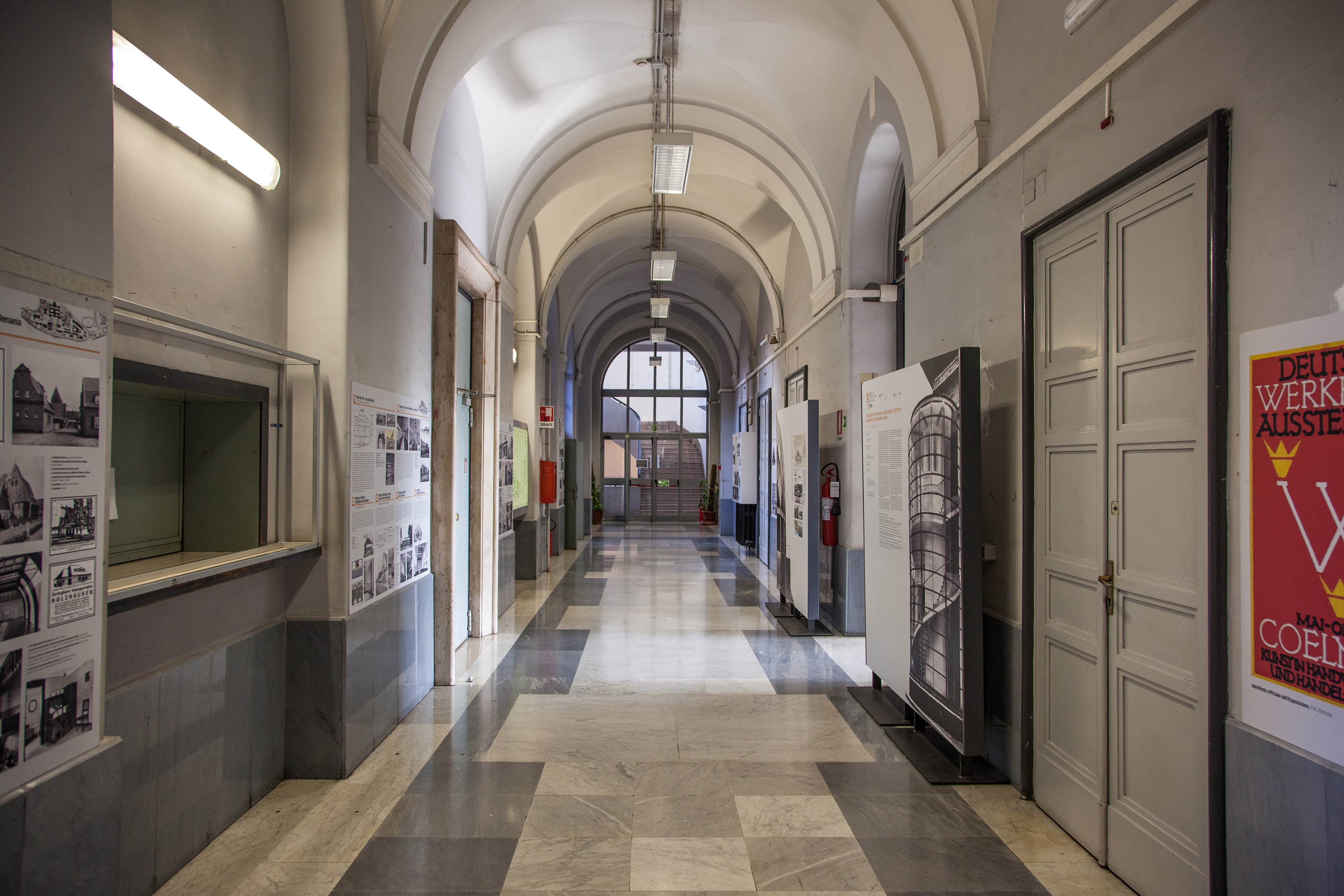
Before starting with the design of the spaces, a site visit was conducted in both the interior and exterior areas of the library. Once a thorough understanding of the location was gained, the necessary research and studies were carried out.




HISTORICAL BACKGROUND OF THE PROPOSED THEME
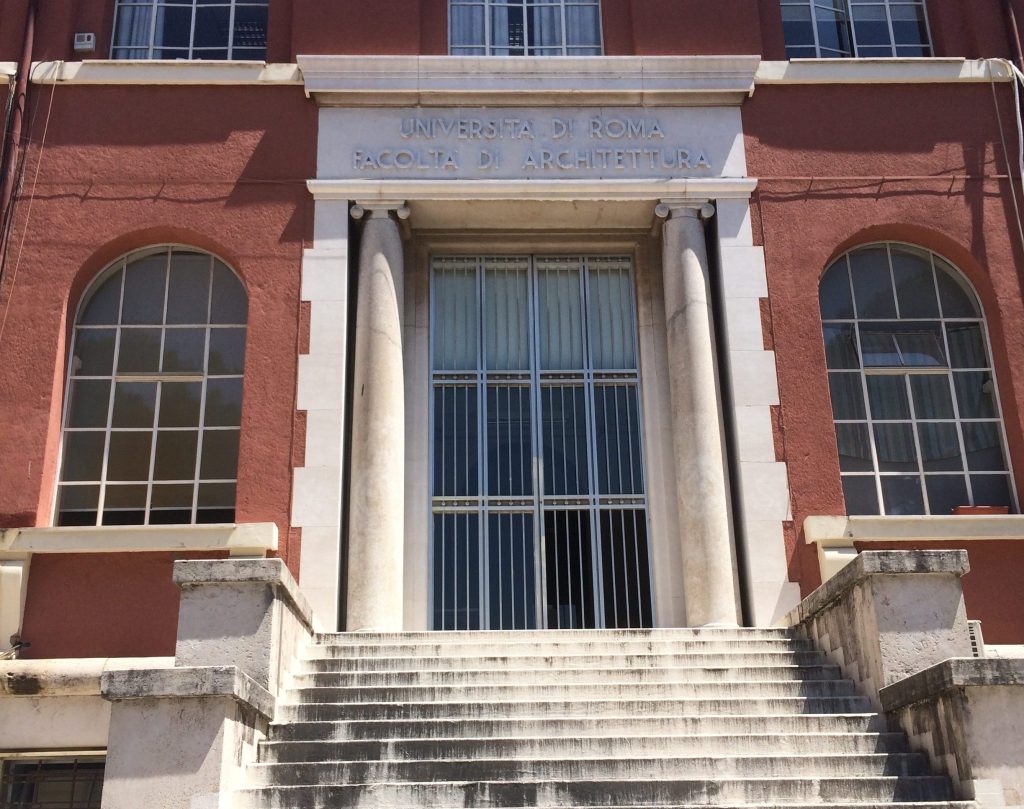
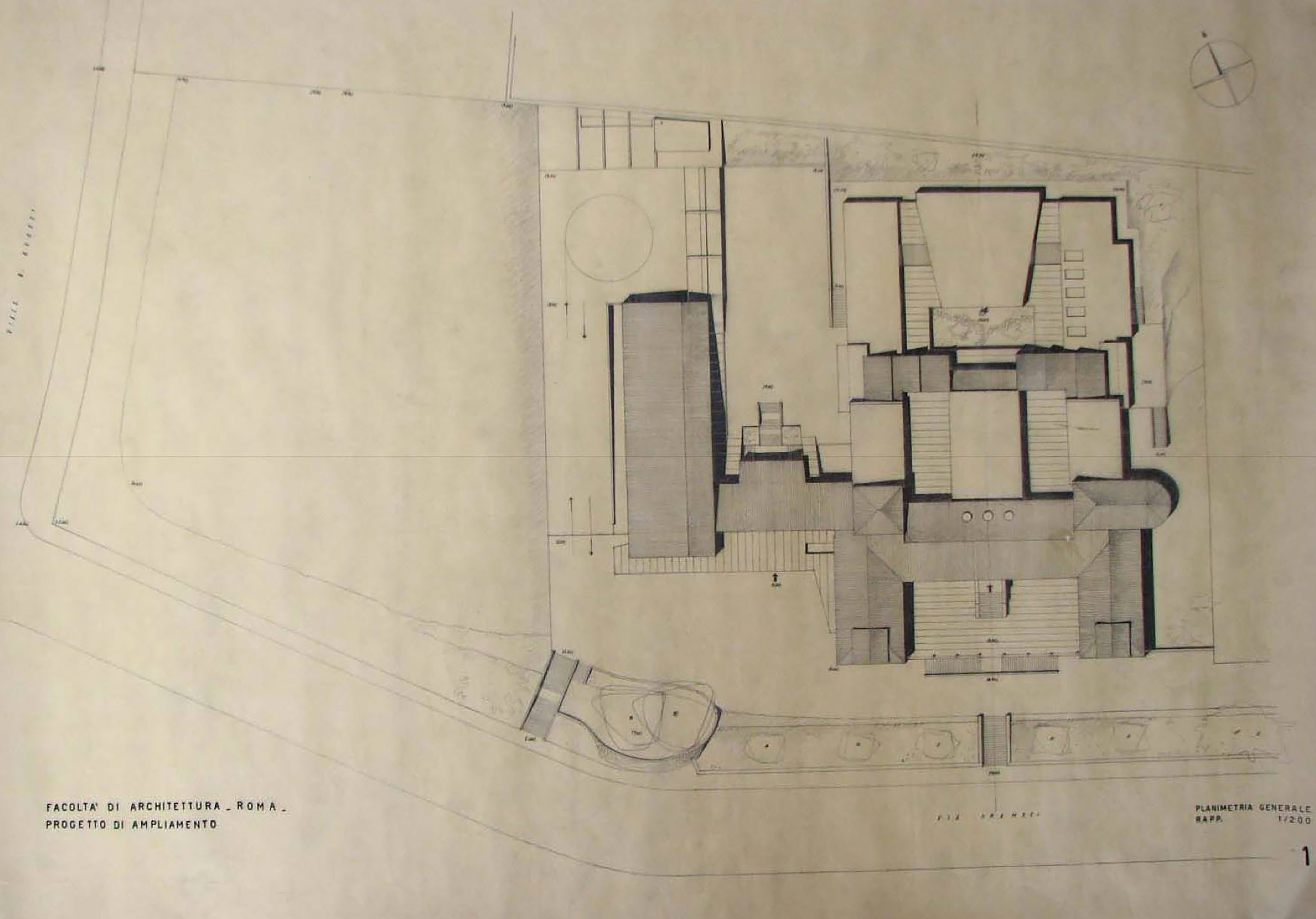
Enrico Del Debbio (Carrara, May 26, 1891 – Rome, July 12, 1973) was an Italian architect and university professor. After studying at the Academy of Fine Arts in Carrara with a specialization in Architecture, he moved to Rome in 1914, where he won the National Artistic Pension for Architecture. He began his career connected with the artistic and literary circles of the Capital. He participated successfully in several architecture competitions, winning the 1st prize for architecture at the First Art Biennale in 1921, and began teaching at the Higher School of Architecture in Rome. His project for the Faculty of Architecture in Rome Valle Giulia, located near the National Gallery of Modern and Contemporary Art, kept him busy from 1932 to 1967. He was also responsible for the design of the Stadio dei Marmi, the Swimming Olympic Stadium, and the Ministry of Foreign Affairs building. The Higher School of Architecture in Rome was established in 1919-20, around the same time the Bauhaus in Weimar, Germany, was founded. Before the establishment of the School, architectural education was divided between fine arts academies and engineering schools. Founded in 1920, Valle Giulia was the first architecture school in Italy, joining the “La Sapienza” University and becoming a faculty in 1935. The building, with a U-shaped layout, sits on a scenic slope between Villa Borghese and the Parioli hill. Characterized by a travertine base and a Pompeian red facade, it preserves Renato Guttuso’s graffiti on the south side, created during the youth protests of the late 1960s. The ever-increasing number of students soon made it necessary to expand the original structure. In the end, three expansions were carried out, all by Del Debbio. The first, in 1934, involved building a gallery with three new classrooms on the rear side. The second expansion, completed in 1958, included two orthogonal sections connected to the original building, creating new spaces for lectures and services. The third expansion, partially completed due to conflicts with the adjacent Belgian Embassy, determined the current entrance position and broke the original floor plan’s symmetry, while still attempting to preserve the color scheme of the first construction on the facade.

RESEARCH PROJECT INDOOR
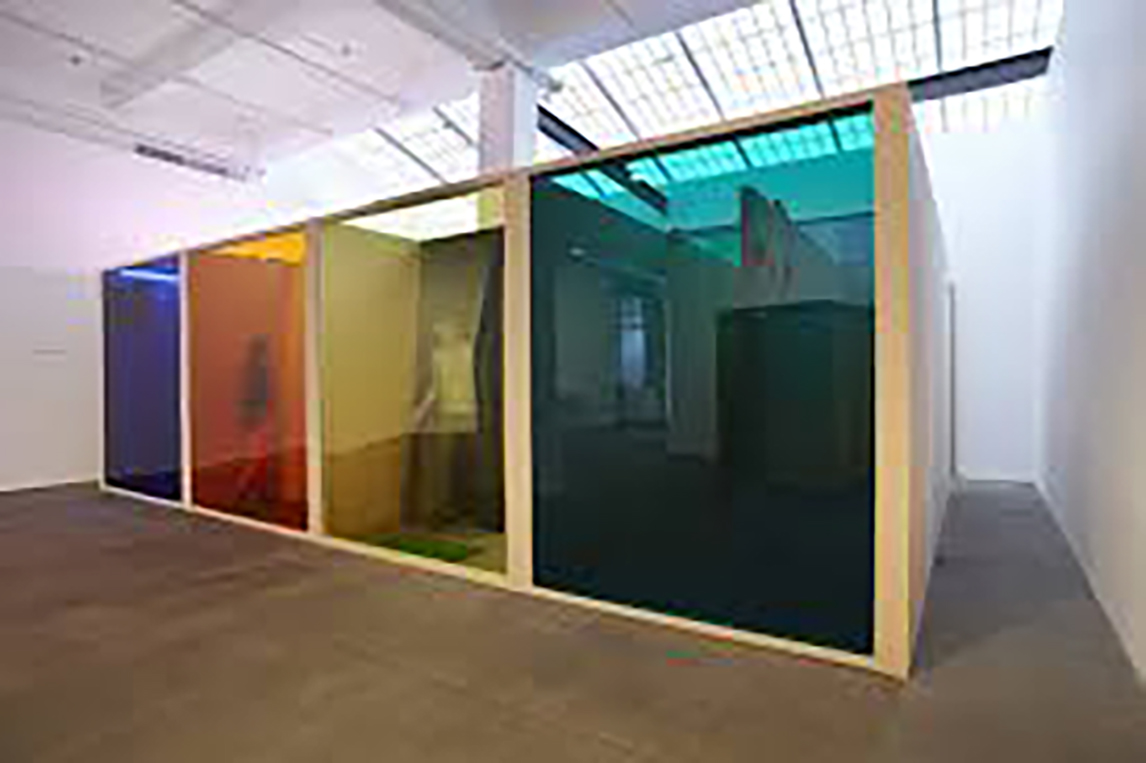
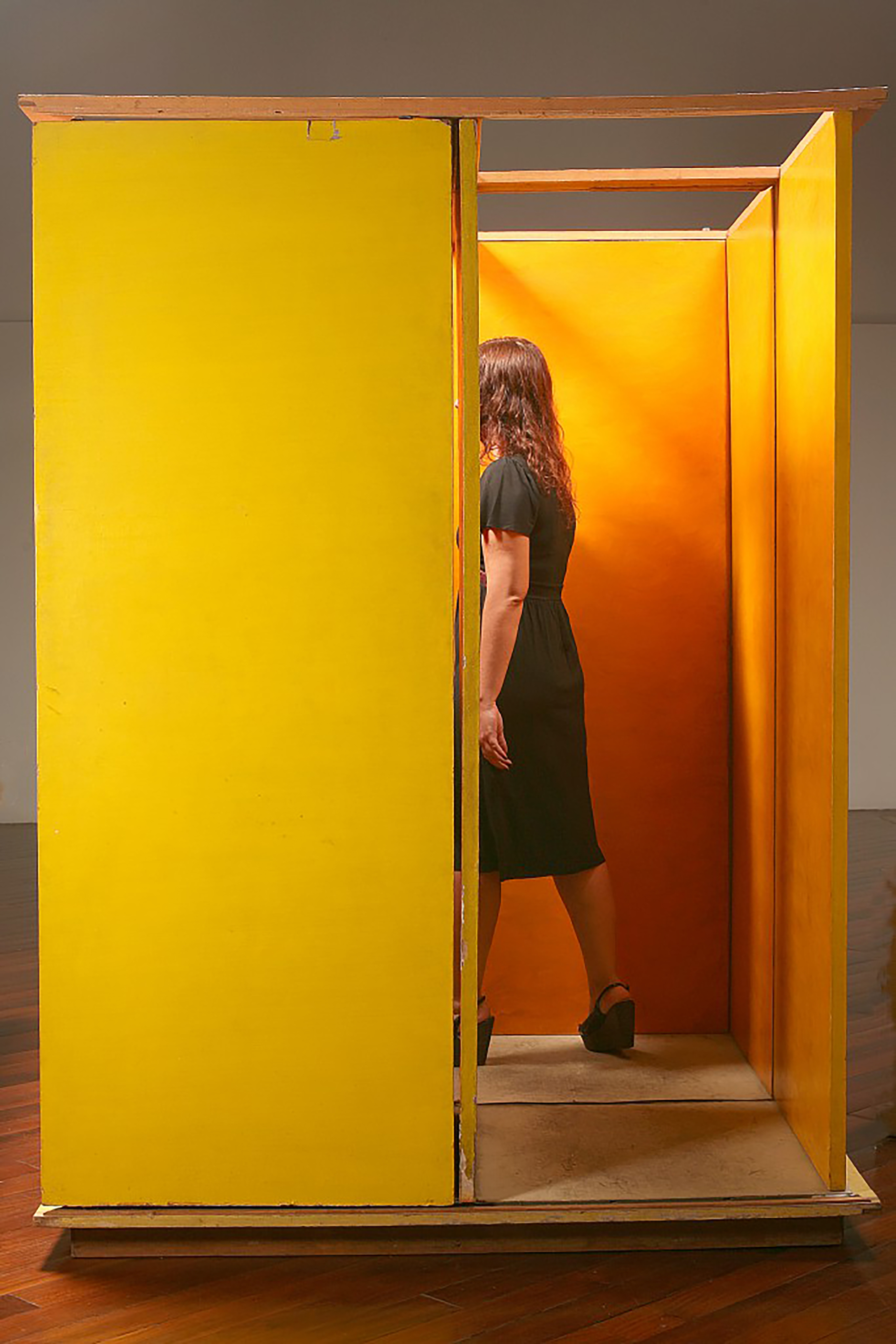
The design of the study required significant conceptual effort to create a structure that defined a precise spatial boundary while being perfectly integrated with the surrounding environment. Therefore, the project began with the study and research of other designs containing the characteristics described above. A valuable reference was found in the installations of Hélio Oiticica. The distinctive feature of these projects is the careful study of geometries, forms, and proportions. In particular, the goal was to design not only an intimate and ethereal space but also a functional place intended for introspection and the study of rare texts housed in the prestigious library of the Faculty of Architecture in Rome.



RESEARCH PROJECT OUTDOOR
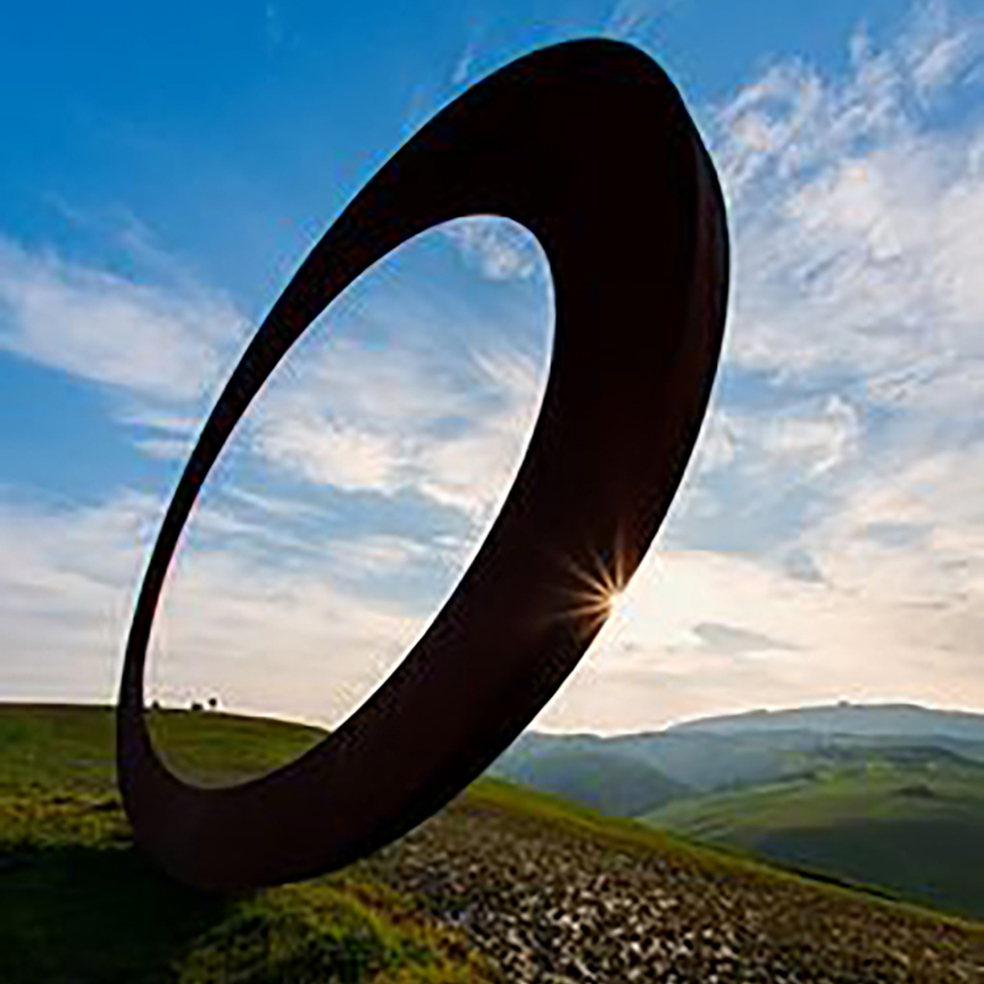
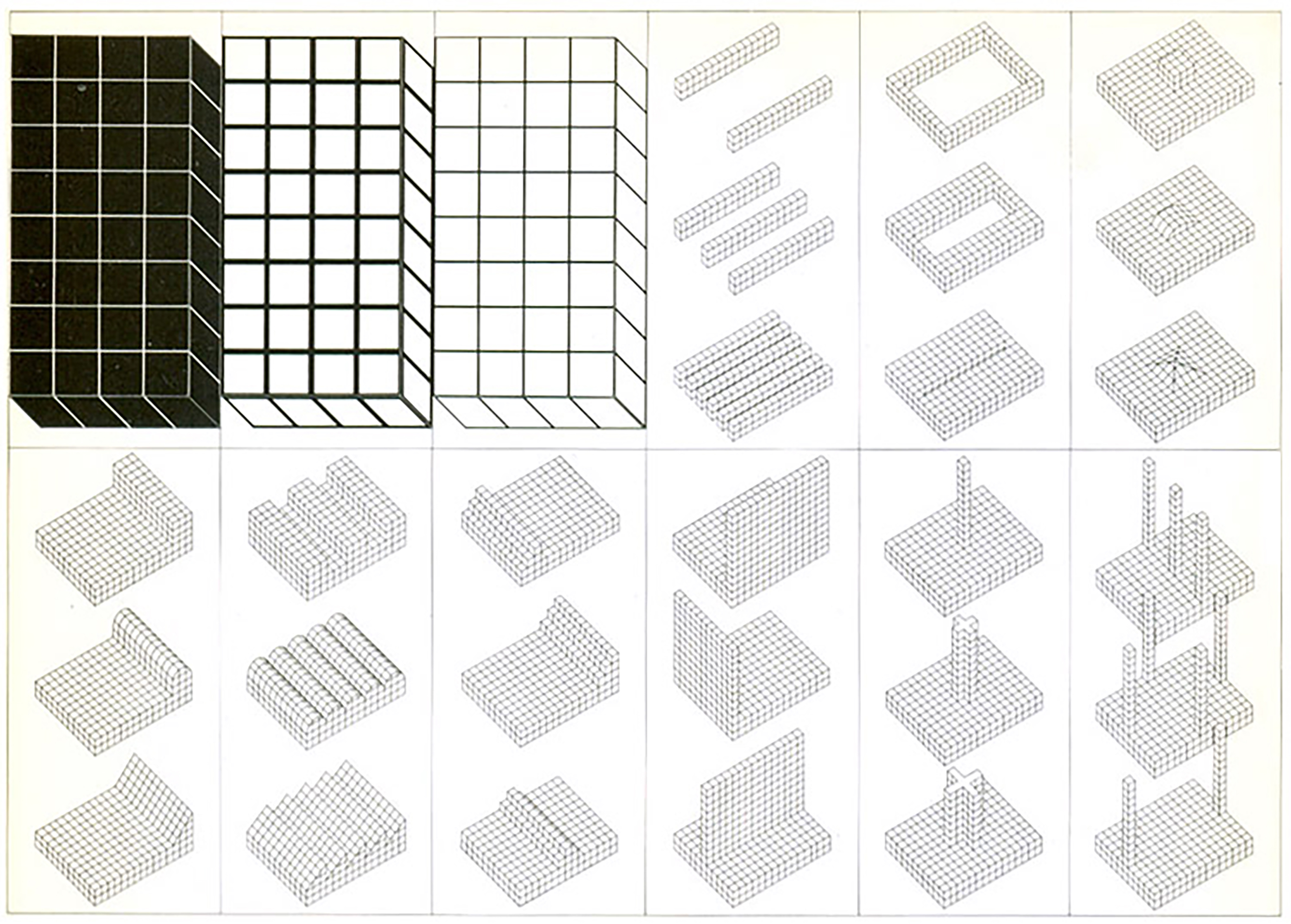
The design challenge for the furnishings in the spaces in front of the library, namely the terrace and garden, was to create an environment that would fully enhance and define the space. It was essential to design elements that would primarily encourage social interaction and serve as architecture for a space dedicated to the leisure and relaxation of students. Therefore, the greatest effort went into dividing the spaces and designing appropriate seating. The main element is a large bench that, like an enormous frame, highlights the facade of the faculty; the other elements are benches of various sizes, placed both on the terrace and on the lawn. All the elements follow the same geometric pattern. Additionally, important design references included Mauro Staccioli, whose installation can be admired in the nearby National Gallery of Modern Art, and the radical design group Superstudio 50, with their “Istogrammi d’Architettura.”


WALLPAPER
The wallpaper design forms the visual component of the spatial experience for the viewer exploring the study room. It is purely a visual experience, as the intended use of the space prevents users from touching the walls. All the geometric studies reference the shape of the lectern. Two of the most significant textures were then selected, which will be described later. The only color allowed is Pantone Marsala 2015, an intense, earthy hue that mirrors the color of the outdoor furniture elements.
Materials
INDOOR

Linoleum: flooring
Linoleum is a type of resilient flooring made from natural raw materials: linseed oil, wood flour, cork powder, and color pigments, all calendered onto a natural jute fabric. Linoleum was invented around 1860 and patented on April 25, 1863, by the Scottish inventor Frederick Walton. In 1860, Walton had the idea to replace rubber with linseed oil, which he transformed into a flexible, rubber-like mass through a unique oxidation process. In 1863, he patented the first floor covering made from oxidized linseed oil under the name “Kamptulicon,” which he later changed to the more well-known “Linoleum.” Linoleum is an eco-friendly floor covering, made from natural and recyclable materials. It is easy to clean and install, durable under heavy foot traffic, hygienic, antibacterial, and offers excellent mechanical properties. Its wide color range provides endless design possibilities, allowing for customized flooring.

Plexiglass: display case
Polymethyl methacrylate (PMMA) is a plastic material made from polymers of methyl methacrylate, an ester of methacrylic acid. It is also known by the commercial name Plexiglas®. Developed in 1928 in various laboratories in Germany, the United Kingdom, and Spain, it was brought to market in 1933 by a German chemical company after the discovery by German chemist Walter Bauer. It is highly transparent, even more so than glass, and possesses optical properties similar to fiber optics due to its transparency. Depending on the blend, it can also be shatter-resistant to varying degrees. Due to these qualities, it is used in the manufacturing of safety glass, protective gear, and decorative or architectural items. Some key differences between PMMA and glass: – Density of 1.19 g/cm³, about half that of glass (2.5 g/cm³). – It has a higher breaking point than glass but lower than polycarbonate. – It is softer and more sensitive to scratches and abrasions, which is typically addressed with a protective coating. – It can be molded by heating (thermoforming) at relatively low temperatures (its glass transition temperature is around 110°C). – It is more transparent than glass in visible light, with a transparency rating of around 0.93 compared to glass’s 0.8-0.9
Solid wood – Noce Nazionale: showcase
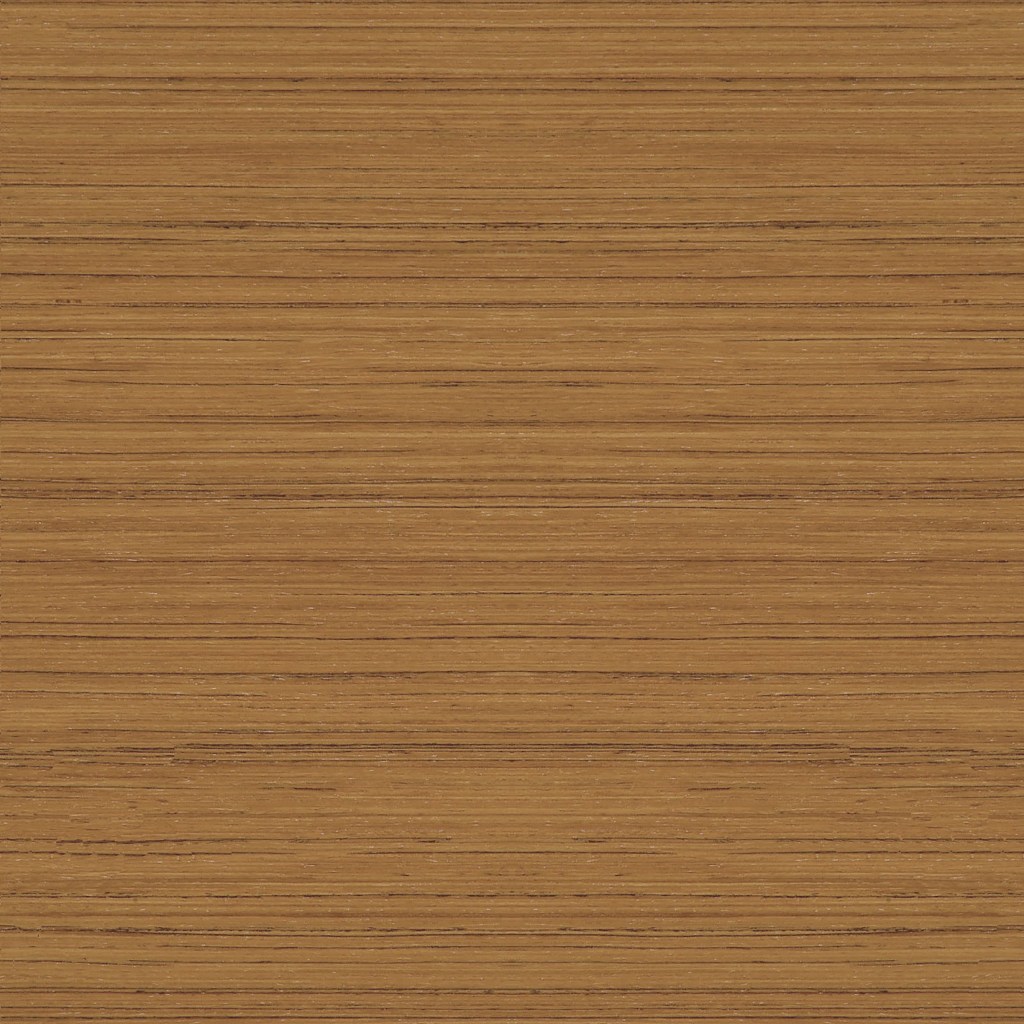
Juglans is a genus of dicotyledonous angiosperms in the Juglandaceae family, commonly known as walnuts. Walnut is one of the most prized woods in the world, particularly valued for its strength and hardness. It has a brown color, which tends to darken over time. European walnut, known as “national walnut,” is considered the most valuable, especially the root section, known as “burl walnut.” Walnut is primarily used in fine cabinetry, high-end furniture, small carpentry, doors, various types of veneers, baseboards, and molding, as well as for small wooden objects and sculptures. It is not particularly hard, which makes it easy to work with (cutting, planing, and sanding). It can be efficiently assembled using nails, screws, or glue, ensuring stable, durable, and well-finished structures. It has good resistance to tension, torsion, bending, and compression, moderate durability in humid environments, average toughness, and good stability against deformation.
OUTDOOR
Effix: benches and lower element of the large window
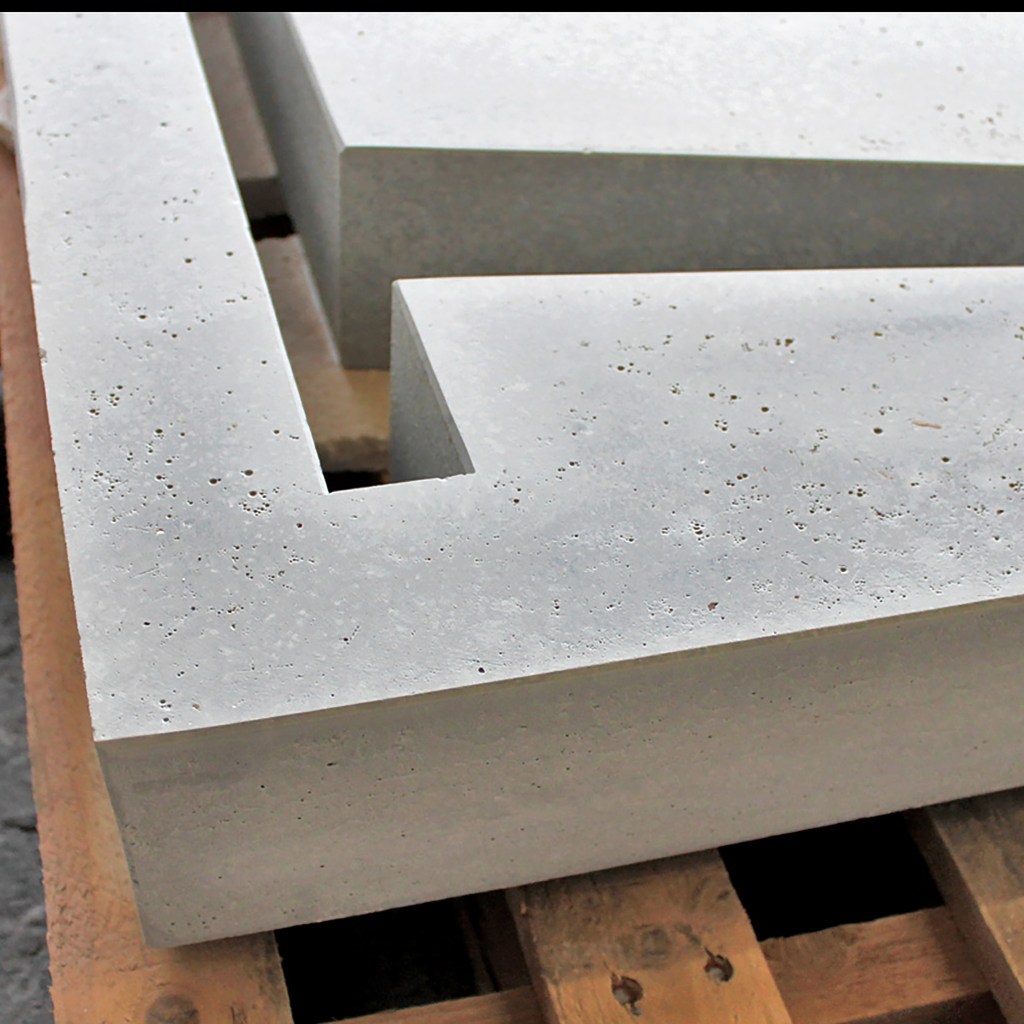
EFFIX is a high-performance mortar with both mechanical and aesthetic qualities, designed for the creation of non-structural concrete elements with refined architectural value (such as interior and exterior furnishings, urban furniture, lamps and light fixtures, and artistic works). The high-quality surface finish of the pieces, which can even have a glossy effect, makes it ideal for use in high-end design. Urban and garden decorative elements. The overall innovative performance of Effix Design adds value to architectural projects for both interior and exterior spaces in urban environments. Effix Design plays with shapes and materials. Easy to work with, it is particularly suitable for creating small architectural elements that are thin, slender, with smooth or textured surfaces. Its plasticity and performance allow for a wide range of applications. Effix Design is available in the Ivoire (white) version, which can easily be colored. To achieve durable hues, use mineral-based pigments.

Kerto: upper element of the large window
Kerto is a laminated plywood. To produce this type of engineered wood product, various panels are glued together to create thicker elements, which are then used in many different applications: beams, panels, ribbed or hollow floors, and I-beams with an OSB core. In Kerto-S, the plywood fibers are arranged exclusively in the longitudinal direction. It is produced in panels and divided into beams or structural elements for various construction needs that require high-performance, beam-like components. Areas of application include beams, lattice constructions, low-cost rooms, high-load supports, thin beams, rafters, purlins, and reinforcements for beams and rafters. Kerto-Q can be used as a panel or slab. Acting as both a load-bearing and reinforcing slab for roofs and ceilings, Kerto Q eliminates the need for reinforcement joints. It allows for the creation of very thin cantilevers while simultaneously forming the underside of the roof and ceiling.

Laminated Glass: balustrade
The terrace balustrade is made with laminated glass; between the layers of tempered glass, there is an intermediate layer of PVB. The balustrade is entirely made of glass, anchored at the base to an aluminum support. The strength of this type of balustrade has been tested in the past, ensuring excellent resistance to loads ranging from 100 to 300 kg. This solution offers a very discreet intervention that preserves the original appearance of the terrace, with the posts in the foreground.
Joints
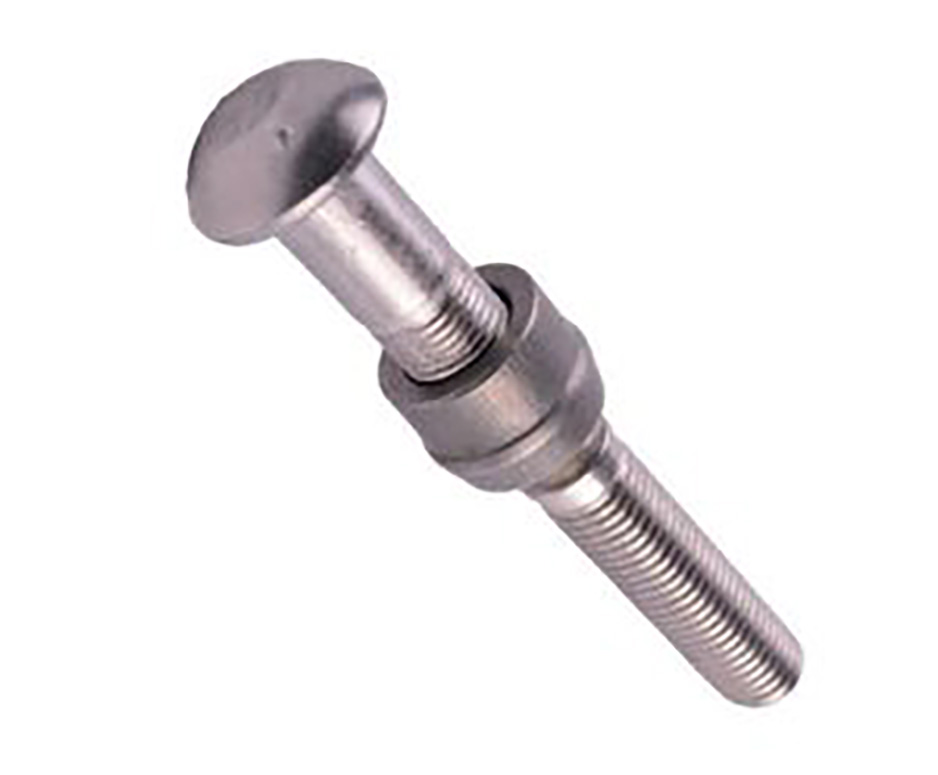
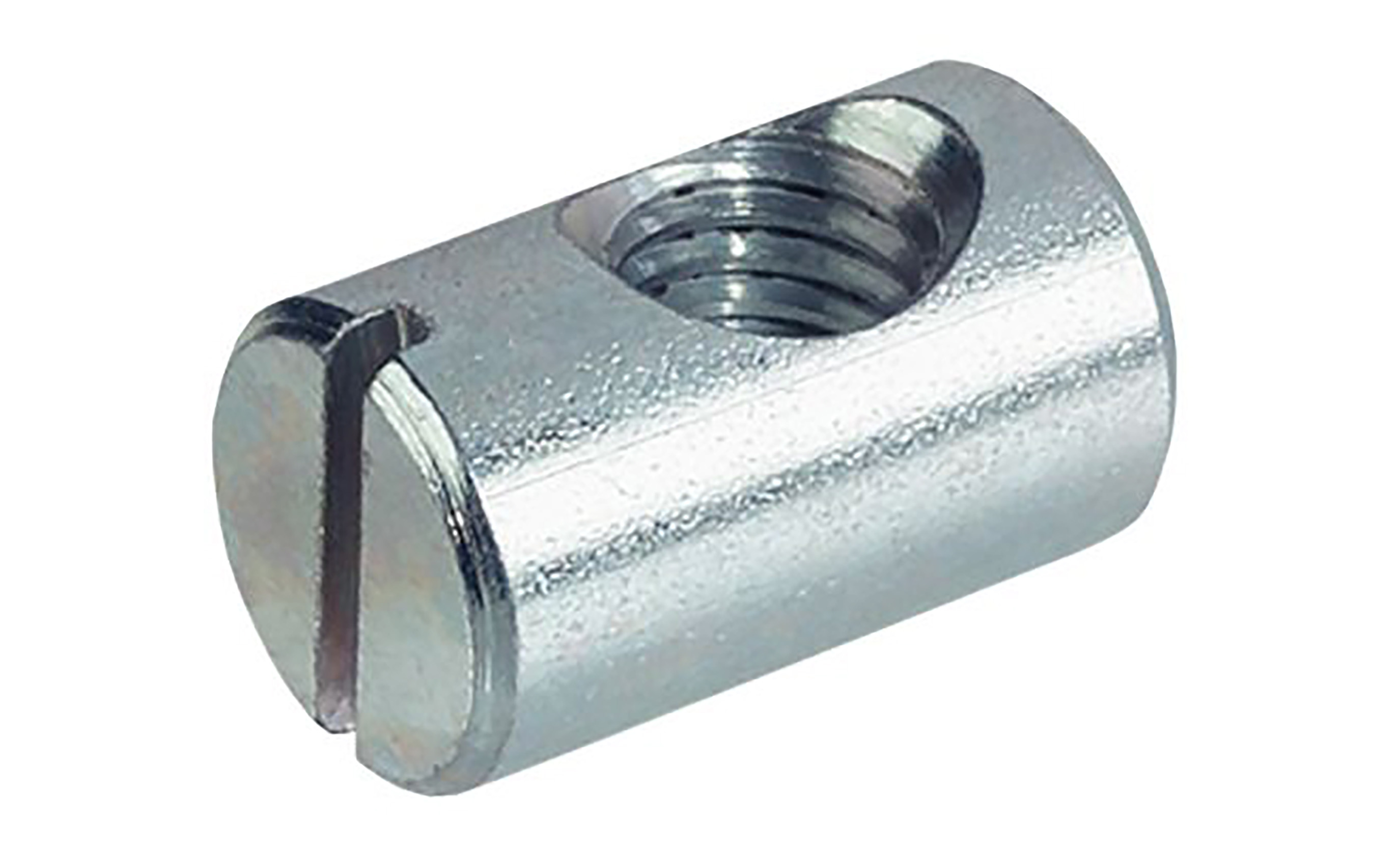
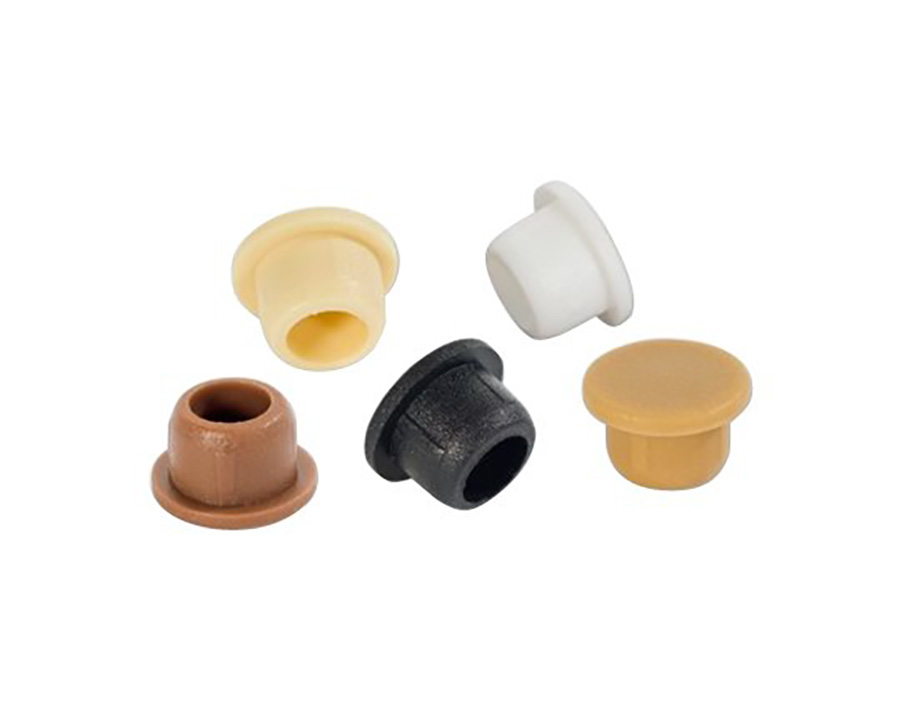
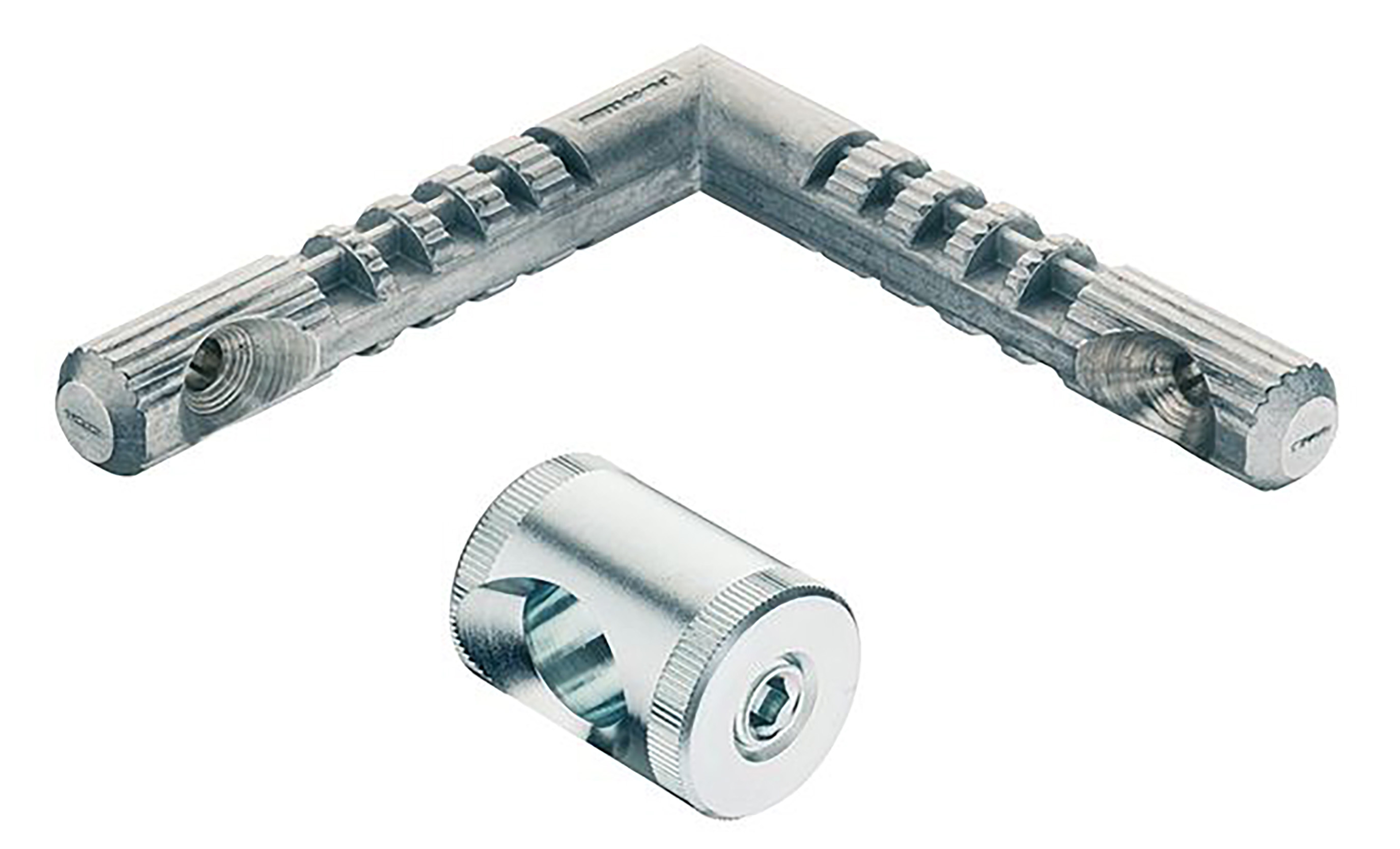
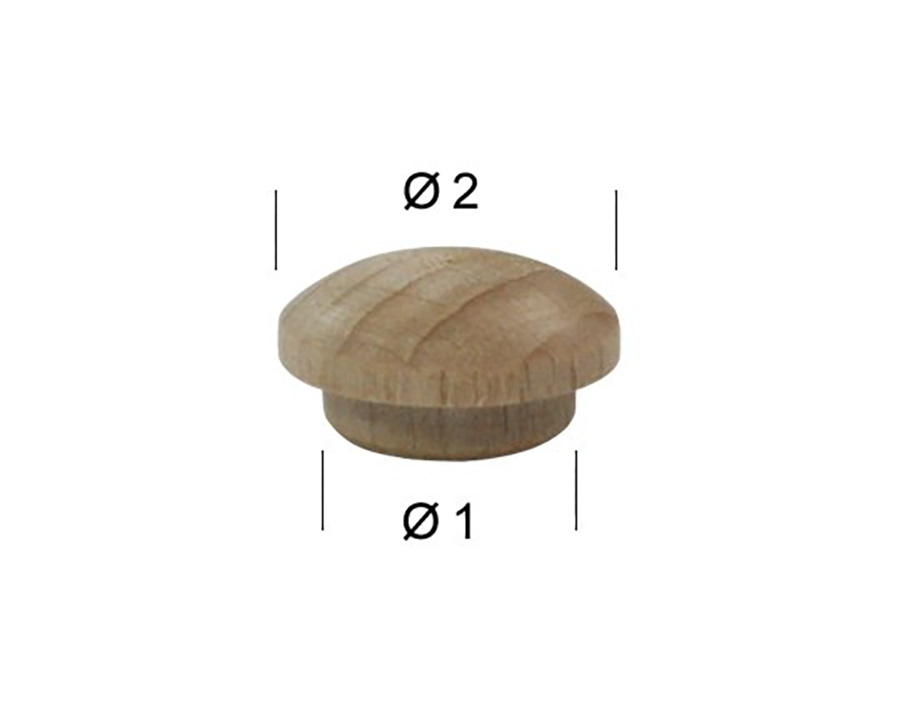
For the assembly of the various components, pre-existing joints available on the market were used.



 Nicola Coco
What’s your take? Drop a comment!