
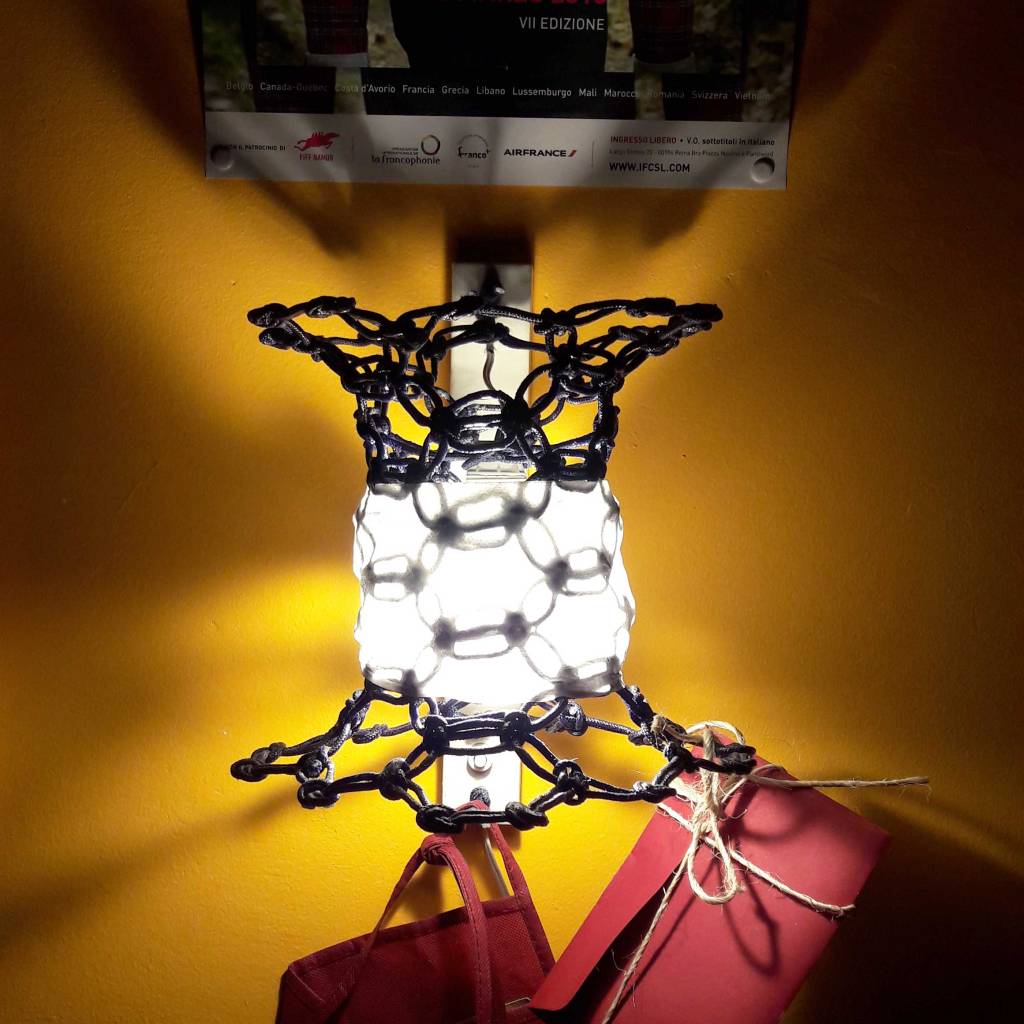
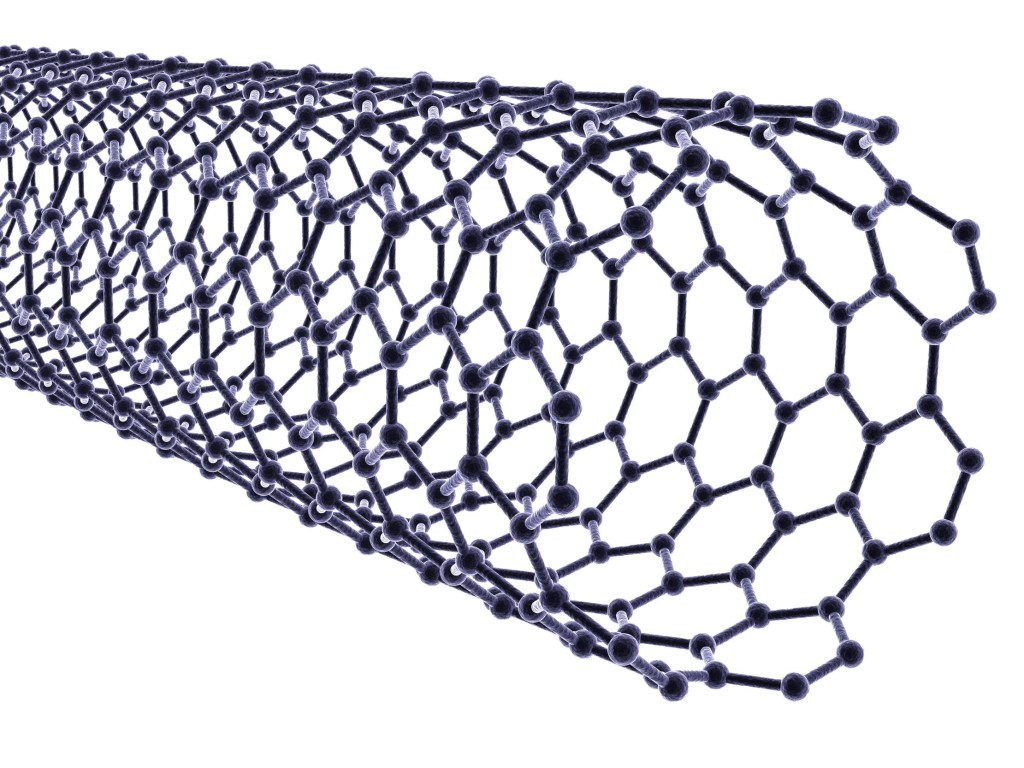
The initial design concept aimed to restyle Marcel Wanders’ Knotted Chair. Over time, however, the idea evolved, driven by an interest in a revolutionary new material recently discovered: graphene. What captured attention was a specific configuration of the material’s structure when imperfections occur in the atomic lattice. In this case, the structure forms hexagons and is referred to as “saddle-shaped.” Graphene atoms naturally arrange themselves into hexagonal patterns, where the sides form 120° angles, creating a perfectly flat, two-dimensional structure. However, when imperfections are introduced, such as pentagon-shaped atoms, the structure deforms.
At the beginning of the project, the focus was on selecting a lighting system. The target audience and the intended function were key considerations. The decision was made to target a younger demographic. In terms of functionality, the environment in which the object would be placed played a crucial role. The ideal setting, based on the target audience, was a relatively small space that would also allow the object to be mobile. As a result, a “bachour” (a small lamp) was chosen.
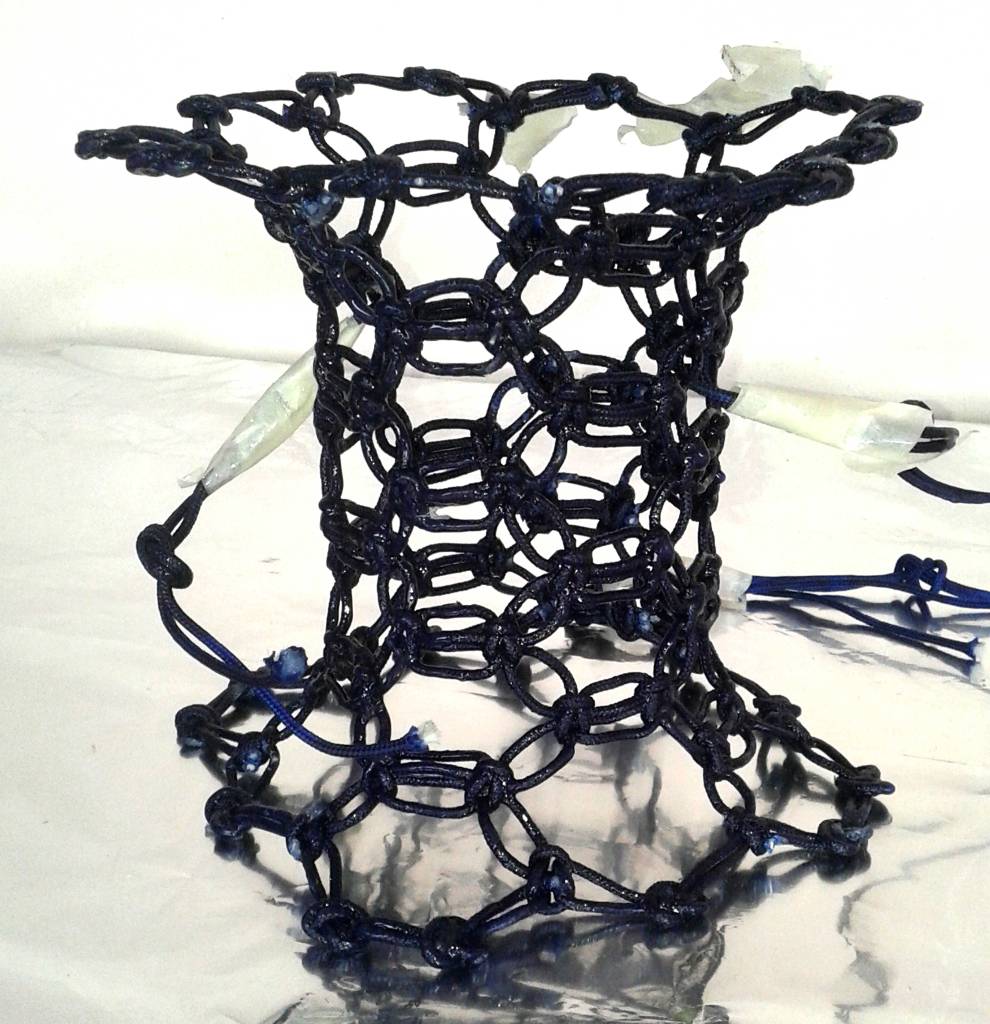
Although the initial plan was to restyle the Knotted Chair, the focus shifted away from seating. However, the material—rope—and the knotting technique from the original chair were retained. The lamp’s design was inspired by the hexagonal structure and atomic lattice of graphene.
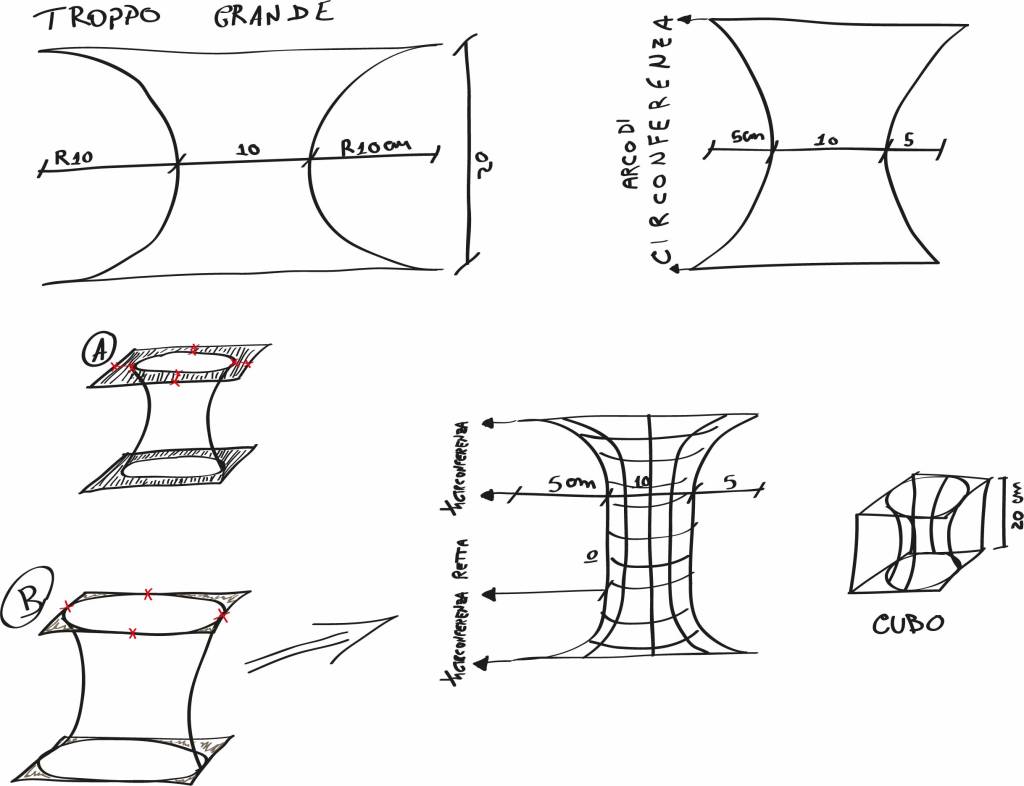
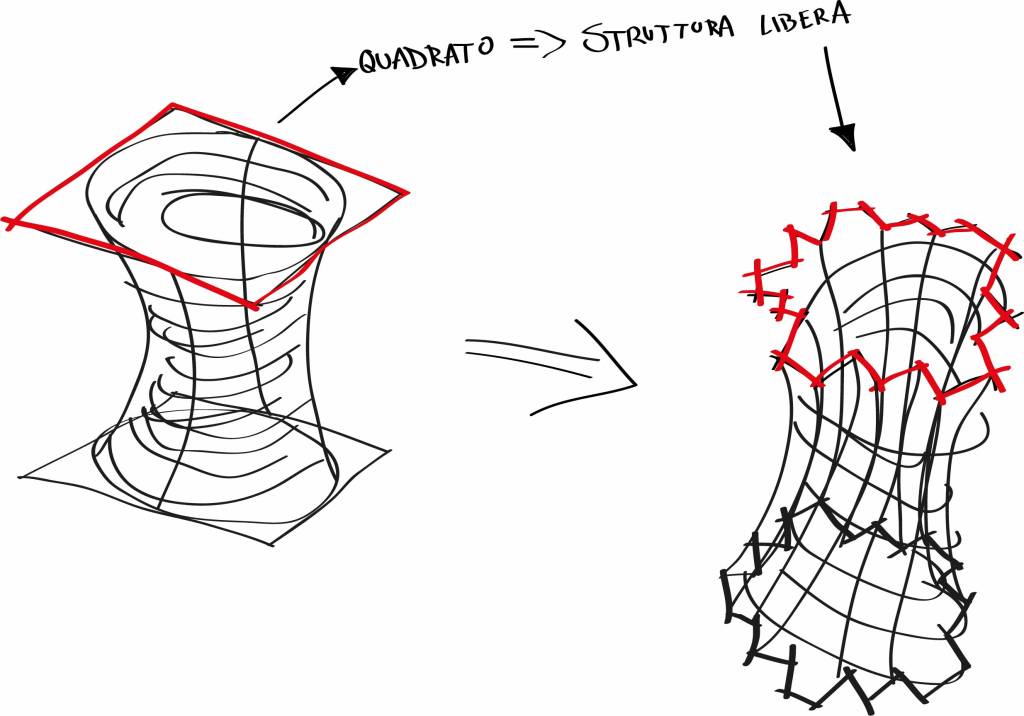
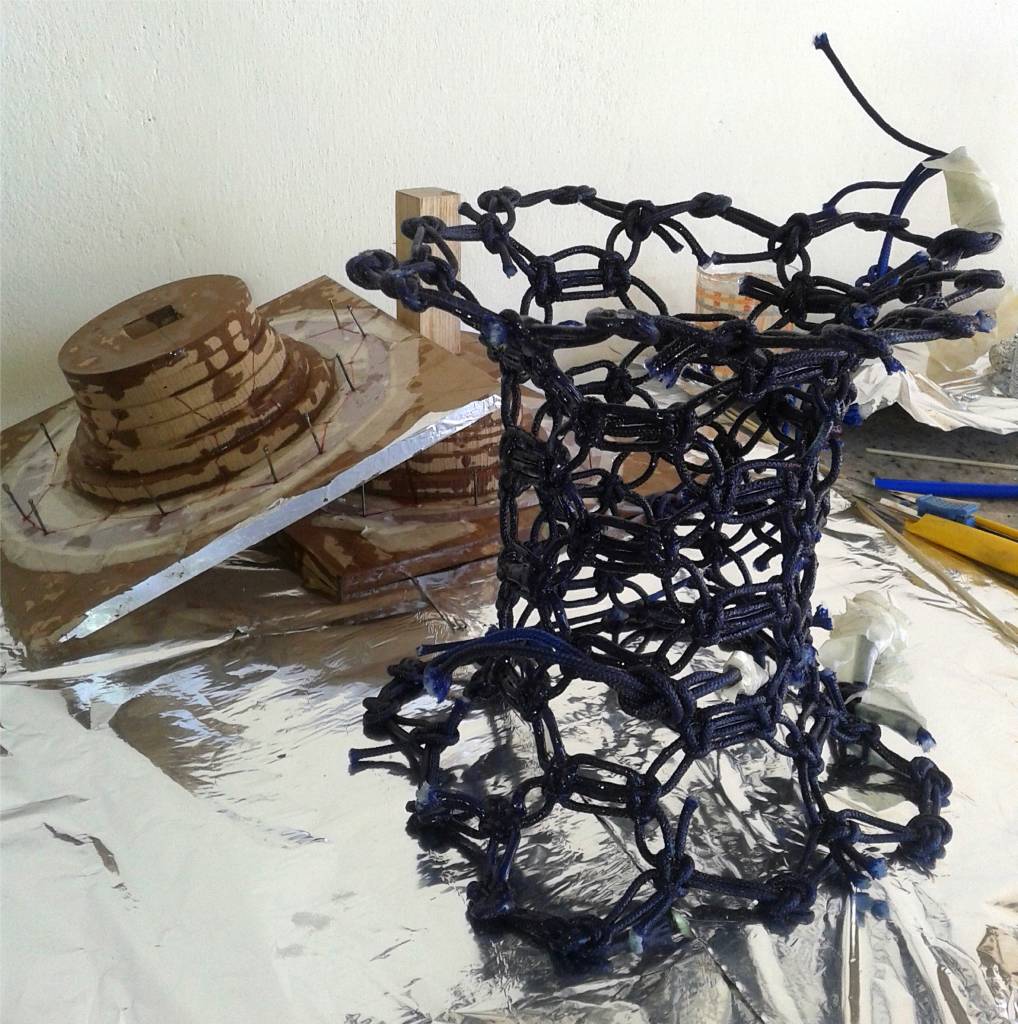
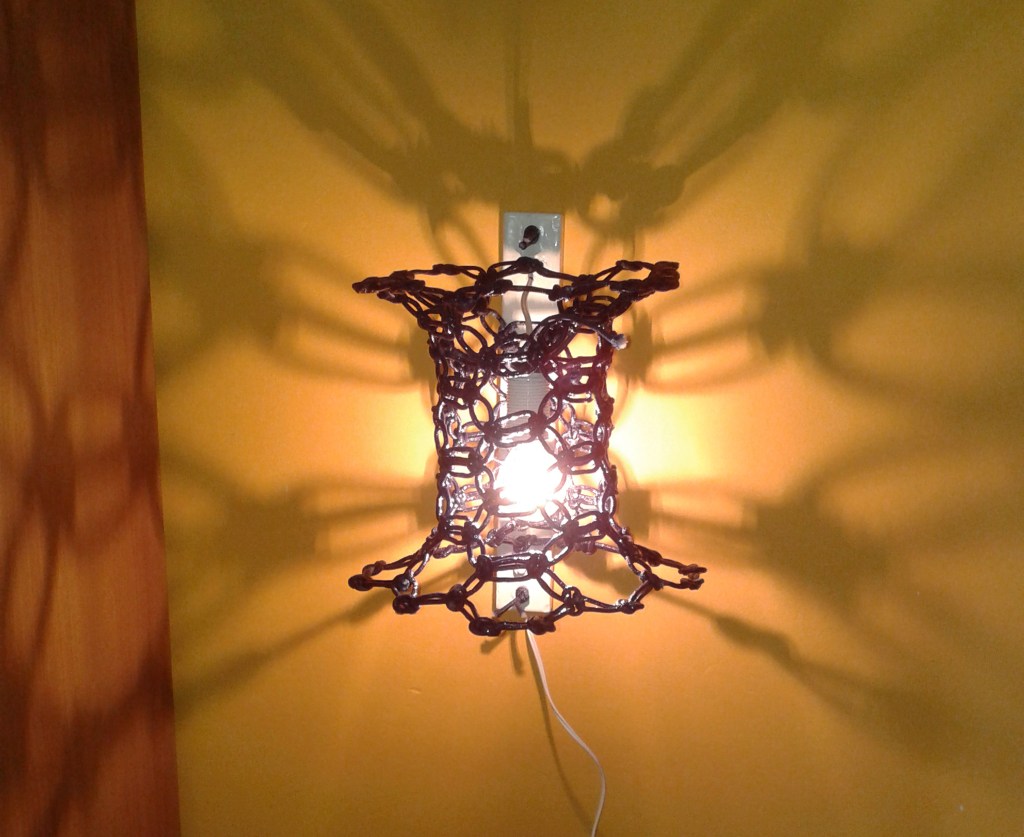
The lamp’s structure is entirely made of rope, attached to a wooden base that houses both the anchor points and the electrical system. A custom support was created to help weave the rope, allowing the structure to take and maintain the desired shape before applying epoxy resin. Prior to the actual weaving, a test with string was conducted to determine the best locations for the knots. Once the resin hardened, the removable support was taken out, and the bulb holder was installed. This holder is supported by a rope structure. The bachour is designed to fit within a cube with sides measuring 20 cm, ensuring it is not overly bulky. During prototyping, it was observed that enclosing the ends of the structure in a square limited the fluidity and dynamism of the design. As a result, the square was eliminated in favor of a more open and less rigid configuration.
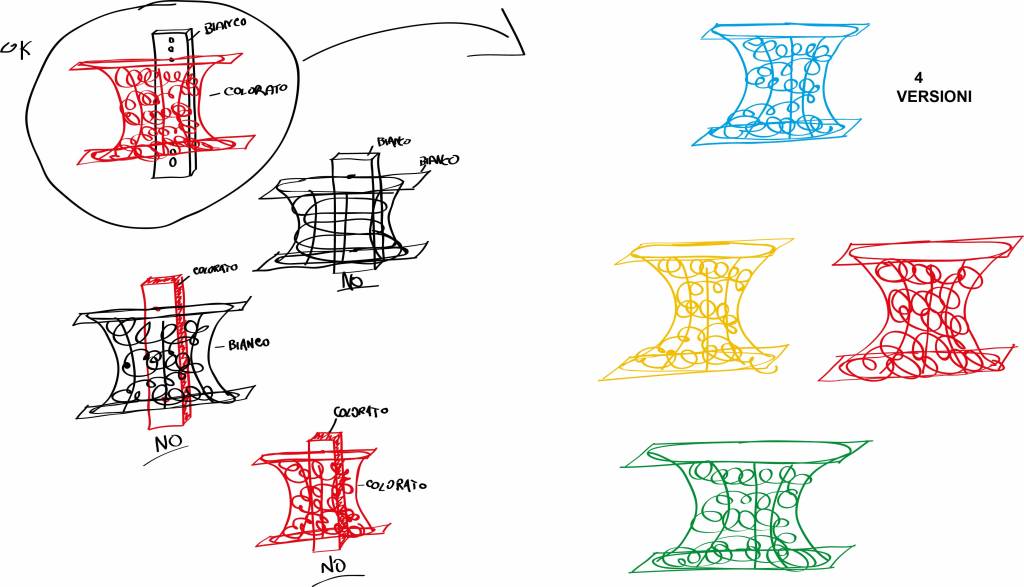
The structure holding the bulb is fully colored in blue, yellow, green, and red. These colors were chosen to create an aesthetically appealing product that would capture the attention of the intended users, while also highlighting the key design feature—the woven rope. The wooden base is white and has two holes for screws to attach the lamp to the wall. However, the use of screws conflicted with the intention to keep the product mobile. Therefore, the screws were replaced by two knotted rope hooks. This solution has two advantages: it further emphasizes the role of rope in the design and adds a unique touch, creating the illusion that the lamp is attached to the wall when, in fact, it is simply hung on a nail embedded in the wall.
Another goal was to allow users to form an emotional connection with the object. To achieve this, the bachour can rotate 180°, offering users the ability to personalize both its appearance and functionality to suit their preferences and needs.
GRAPHENE
Graphene continues to be an incredibly promising material, with ongoing advancements and a deeper understanding of its properties and applications. Here’s an updated overview of graphene based on current knowledge:
Structure:
Graphene atoms form a hexagonal pattern with 120° angles. It is a single layer of carbon atoms arranged in a two-dimensional lattice, exhibiting remarkable properties.
Properties:
- Electronic Properties: Still 10 to 100 times superior to traditional materials. It remains the best-known conductor of electricity, and advancements in graphene-based electronics have led to faster and more efficient devices.
- Optical Properties: Graphene has exceptional optical properties, such as high transparency and the ability to control light, which is useful in advanced optoelectronics and photonics.
- Thermal Properties: It conducts heat more efficiently than copper, which makes it ideal for applications requiring heat management in electronics and energy systems.
- Mechanical Properties: Graphene is stronger than steel by a factor of 100, with remarkable flexibility and lightness, making it a key material in strengthening composites and enhancing materials performance.
Applications:
- Flexible sensors: Widely used in wearable technology, health monitors, and environmental sensors.
- Touchscreens and Displays: Graphene-based materials are becoming more prevalent in the development of next-generation, flexible, and transparent touch screens and displays.
- Solar Cells: Significant progress has been made in graphene-based solar cells, which offer increased efficiency and reduced manufacturing costs.
- High-performance composite materials: Graphene is used in aerospace, automotive, and construction industries to create lighter and stronger materials, improving performance while reducing weight.
- Transistors and Integrated Circuits: Graphene transistors are being explored for faster and more energy-efficient electronic devices, with some experimental graphene-based transistors already outperforming traditional silicon chips.
- Gas Molecule Detectors: Graphene-based sensors are in use for detecting a wide range of gases, including harmful pollutants and biomolecules.
- Water Desalination: Graphene oxide membranes are now being explored for large-scale water filtration and desalination, offering high permeability and low energy consumption in desalination processes.
Research and Investment:
Graphene research and commercialization have seen significant growth. In recent years, global investments have exceeded €2 billion in research and development for graphene-based technologies, with many companies focusing on scaling production and refining applications.
Nobel Prize:
The 2010 Nobel Prize in Physics was awarded to Andre Geim and Konstantin Novoselov for their groundbreaking discovery of graphene. Since then, their work has paved the way for numerous innovations and the rapid growth of graphene-related industries.
Future Prospects:
Current research is focusing on practical mass production methods, cost reduction, and improving the integration of graphene into real-world applications, from electronics to medicine. With continued breakthroughs, graphene holds the potential to revolutionize industries such as energy storage, artificial intelligence, and biomedicine.
Project
RESTYLING
The Knotted Chair by Marcel Wanders, created in 1996, is a striking example of contemporary design that blends traditional craft techniques with modern materials. The chair features a unique woven structure made of braided cords, designed to resemble a traditional, intricate knot. The seat and backrest are formed by an intricate knotting technique, and the overall aesthetic reflects both an artistic, sculptural approach and functional design. Its distinctive, organic shape challenges conventional chair design while offering comfort and support.
The goal was to blend the Knotted Chair concept with the elements of Graphene.
Study of possible configurations and applications: chandelier, pendant light, table lamp. This process involves exploring different design options for the lighting fixture, considering how it can be adapted to various settings and uses. The chandelier configuration, typically grand and overhead, is ideal for larger spaces, providing both illumination and a decorative focal point. The pendant light, often more compact and versatile, is suitable for smaller or more intimate areas, offering a modern and stylish lighting solution. The table lamp, on the other hand, is designed to be portable and functional, providing targeted lighting for work or ambiance in various indoor settings. Each configuration is carefully studied to optimize the lighting effect, aesthetics, and practicality for different environments and user needs.

Study of proportions: This involves analyzing and defining the ideal ratios and dimensions of the design elements to ensure visual harmony and balance. The goal is to achieve a cohesive and aesthetically pleasing result, where each component of the object is scaled appropriately in relation to the others. This process considers both functional and artistic factors, ensuring the proportions support the intended use while contributing to the overall design appeal.
Study of colors: The selected color palette includes white for the support and blue, yellow, red, and green for the rope structure. This choice aims to create a balanced and visually engaging contrast between the base and the main design elements. The white support serves as a neutral foundation, allowing the vibrant colors of the rope to stand out, adding energy and playfulness to the overall aesthetic. The combination of blue, yellow, red, and green is intended to evoke a dynamic and harmonious feeling, appealing to a modern and youthful audience. Each color was carefully chosen to emphasize the product’s character and highlight the intricacy of the woven rope structure, ensuring both visual impact and functionality.
The bachour also functions when inverted, allowing for a customized use. This unique feature provides users with the ability to adjust the lamp’s orientation according to their preferences or specific needs, offering versatility in both its appearance and functionality. By rotating the lamp 180°, the user can alter the lighting effect and the overall aesthetic, giving them the freedom to personalize the object. This design flexibility ensures that the bachour can adapt to different environments, creating a more tailored and dynamic lighting experience for diverse settings.
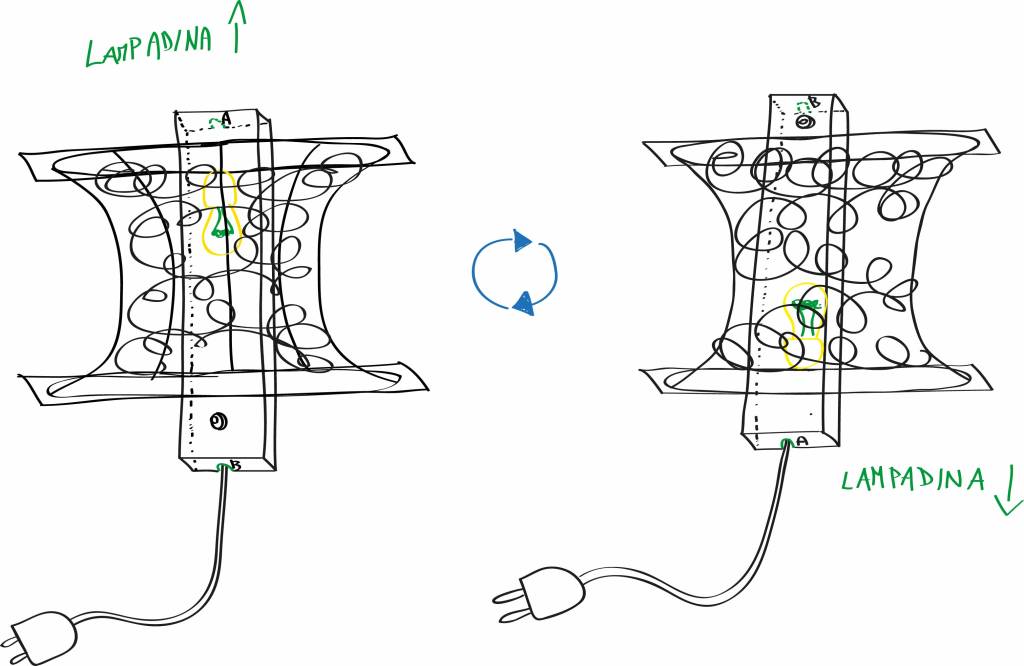
The replacement of screws with knotted rope hooks highlights the material used in the design, drawing attention to the natural texture and strength of the rope. This choice creates the illusion that the bachour is securely attached to the wall with rope, adding a sense of organic connection while maintaining a light, suspended appearance. Furthermore, this solution enhances the lamp’s functionality by allowing it to be easily relocated, supporting the concept of a mobile, versatile lighting piece. By eliminating the need for permanent fixtures, the design encourages flexibility and portability, making the bachour an adaptable object that can be repositioned according to the user’s preferences and needs.

Analysis of the main characteristics of the object: This involves a detailed examination of the key features that define the object’s design, functionality, and aesthetic appeal. The analysis focuses on elements such as the choice of materials, structural integrity, form, and how these contribute to the object’s overall performance and visual impact. In addition, the study looks at the object’s usability, considering how it interacts with its environment and the user. It also explores the unique design aspects, such as the integration of innovative features or the use of colors and textures, that differentiate the object from others in the market. By understanding these core characteristics, the design process ensures that the final product not only meets practical needs but also resonates with its intended audience, combining beauty and functionality in a cohesive and thoughtful way.

The wooden support for the rope weaving had to have a fundamental characteristic: it needed to be made of interlocking parts that could be easily disassembled once the epoxy resin had dried. This design was crucial to allow the woven structure to maintain its shape while the resin solidified, ensuring the integrity and durability of the final product. The support structure had to be both functional and practical, providing the necessary support during the weaving process but also allowing for removal without damaging the rope or resin. Of the two proposed structures, the second option was selected as it best met these requirements, offering a reliable and efficient solution for the assembly and disassembly process. This decision ensured that the object could be completed seamlessly, with all components fitting together perfectly after the resin had cured.

I. The support consists of a cylindrical structure with discs of varying sizes placed on top. This design ensures stability and evenly distributes weight and varying disc sizes. The structure provides essential support during assembly and contributes to the overall aesthetic.
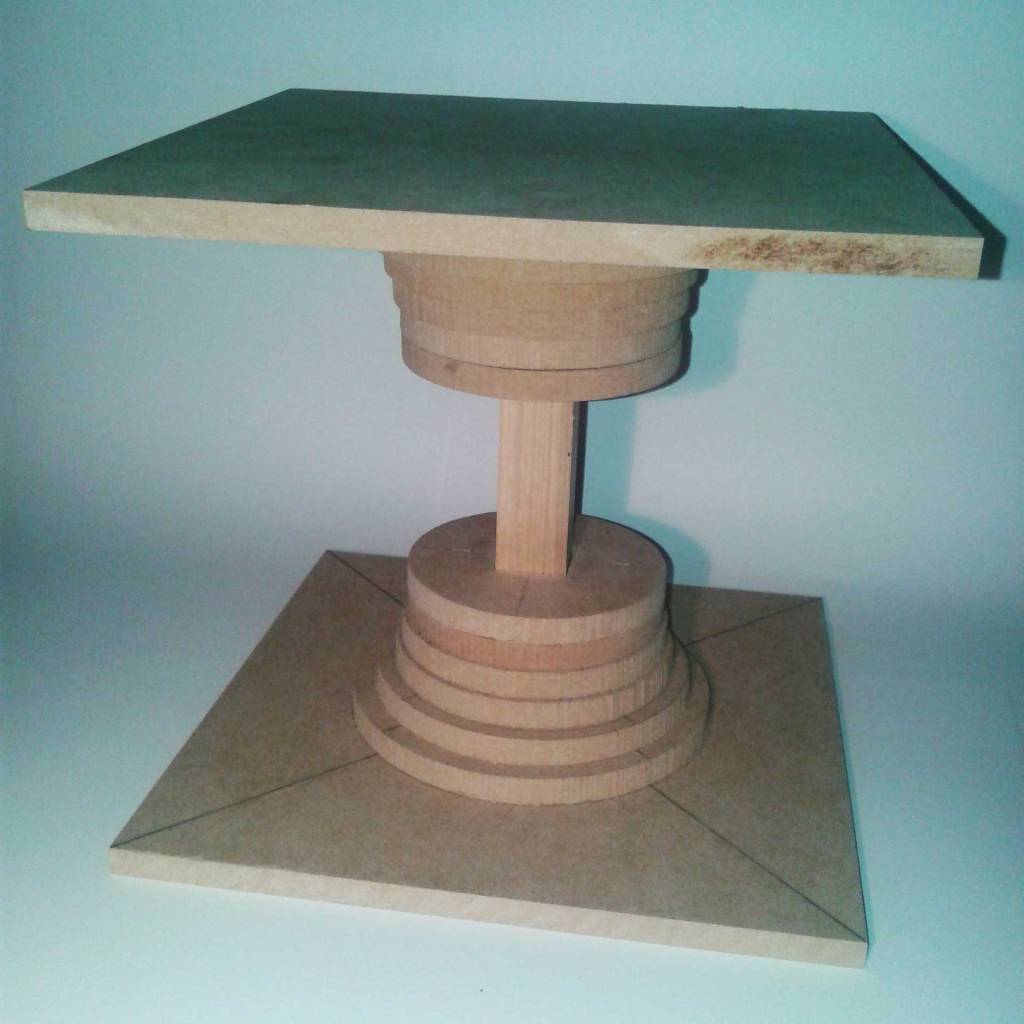
II. The support consists of two solid structures arranged symmetrically, formed by the assembly of five cylinders with progressively increasing diameters and a parallelepiped serving as the base. These elements are fitted at the ends of a third solid shape: another parallelepiped.
Electrical system: This includes the wiring, connectors, and switches necessary to power the object, ensuring safe and efficient operation. It is integrated discreetly into the design to maintain both functionality and aesthetic appeal.

During the prototyping phase, the ends of the rope structure, which were originally enclosed within a square, were transformed into a more open and dynamic configuration. This change allowed for greater fluidity and movement within the design, removing the rigidity of the square shape. The new arrangement not only enhanced the visual appeal by introducing a sense of freedom and organic flow but also improved the overall functionality, giving the structure a more versatile and adaptable form. This shift in design reflects the intention to create a more natural, flowing aesthetic, while also allowing the object to interact more harmoniously with its environment.
PRODUCTION PROCESS
The support for anchoring the rope structure and installing the electrical system, as well as the support for the rope weaving, were both crafted in a woodworking workshop. These components were carefully designed and constructed to ensure precision and durability. The anchoring support plays a crucial role in securing the rope structure while also accommodating the electrical system, ensuring safe and reliable operation. The rope weaving support was specifically designed to facilitate the intricate process of weaving, providing a stable base that allows the structure to maintain its desired shape. Both elements were made with high attention to craftsmanship, ensuring that they not only functioned well but also integrated seamlessly with the overall design of the object.
Before the actual weaving process began (blue thread), a trial weaving with string was conducted to precisely identify the points where the knots would be placed. This step allowed for a detailed assessment of the structure and helped to ensure that the knots were positioned accurately for both aesthetic appeal and functionality. By using string as a prototype, it was possible to experiment with different patterns and tension levels, ensuring that the final woven structure would be both stable and visually balanced. This preliminary phase was essential in refining the design, allowing for adjustments before committing to the final weaving with the chosen material.
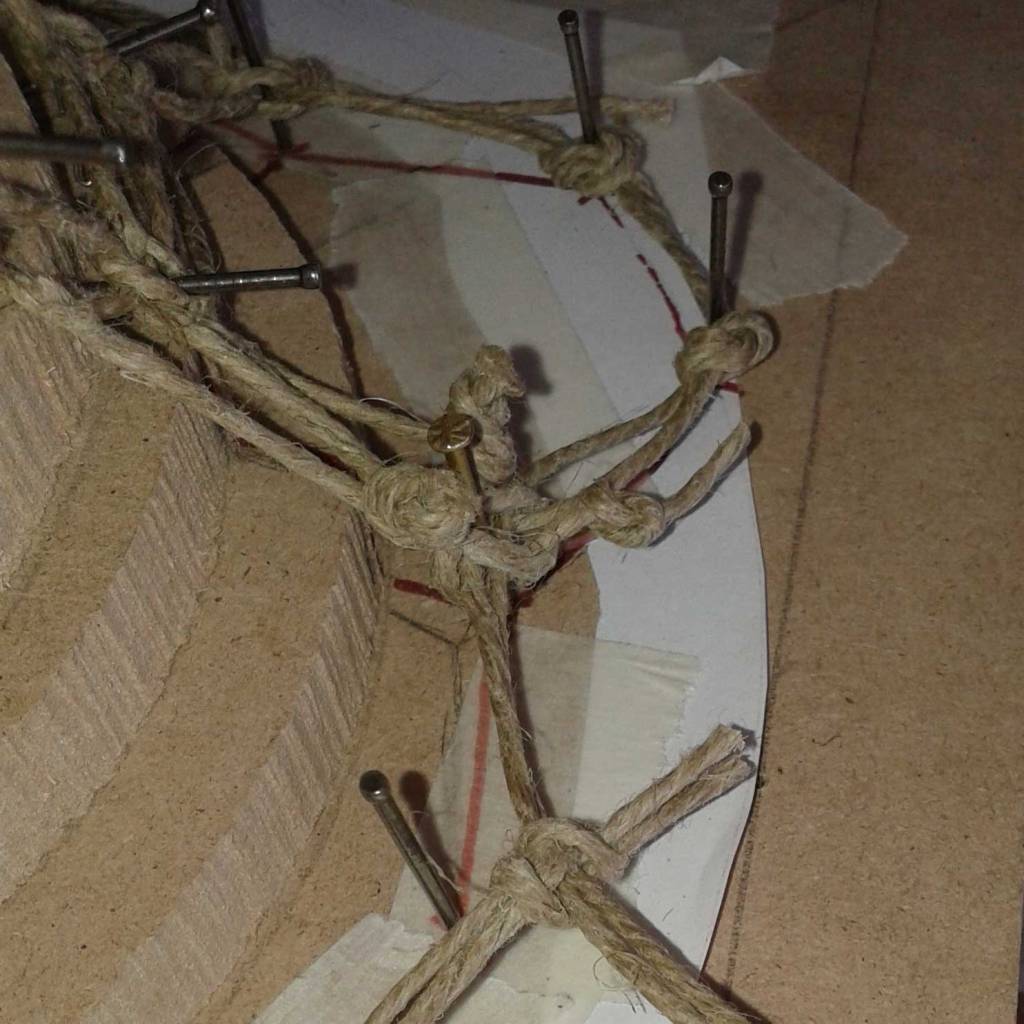
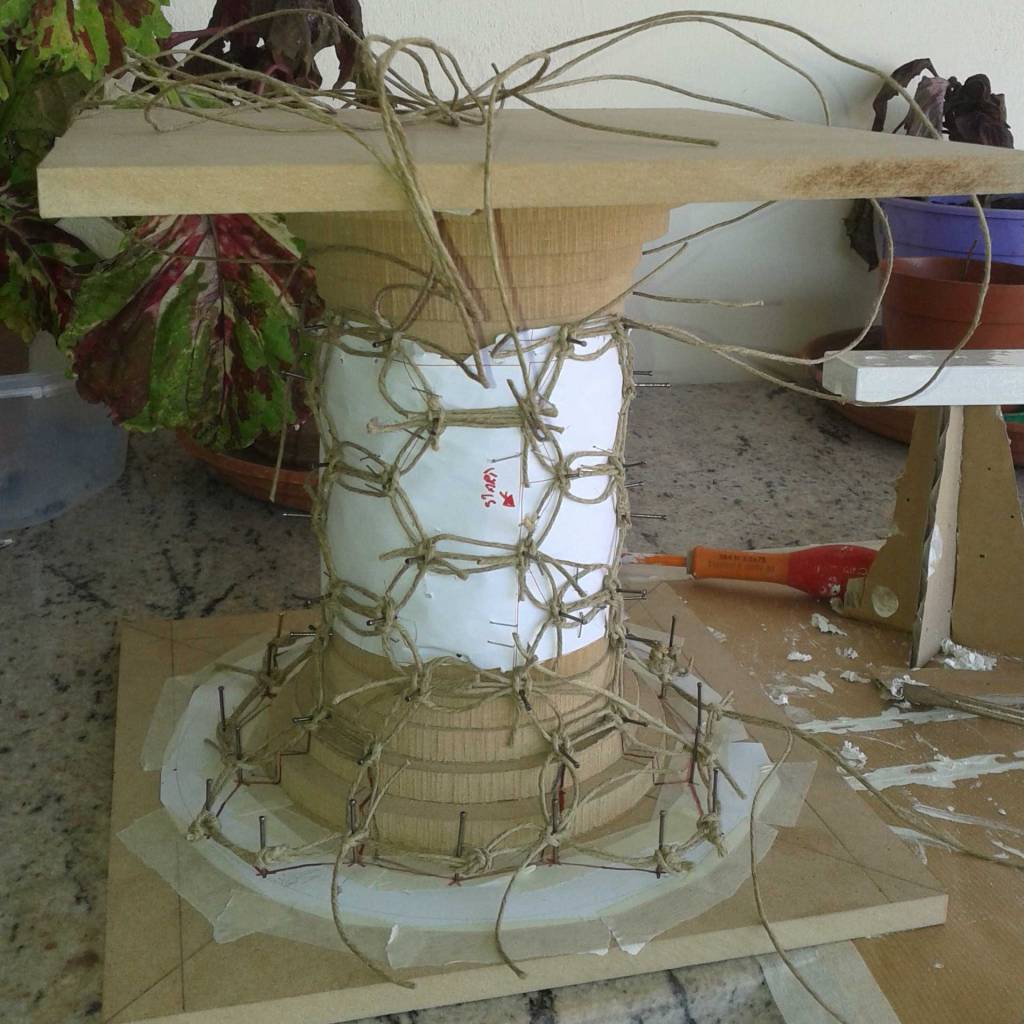
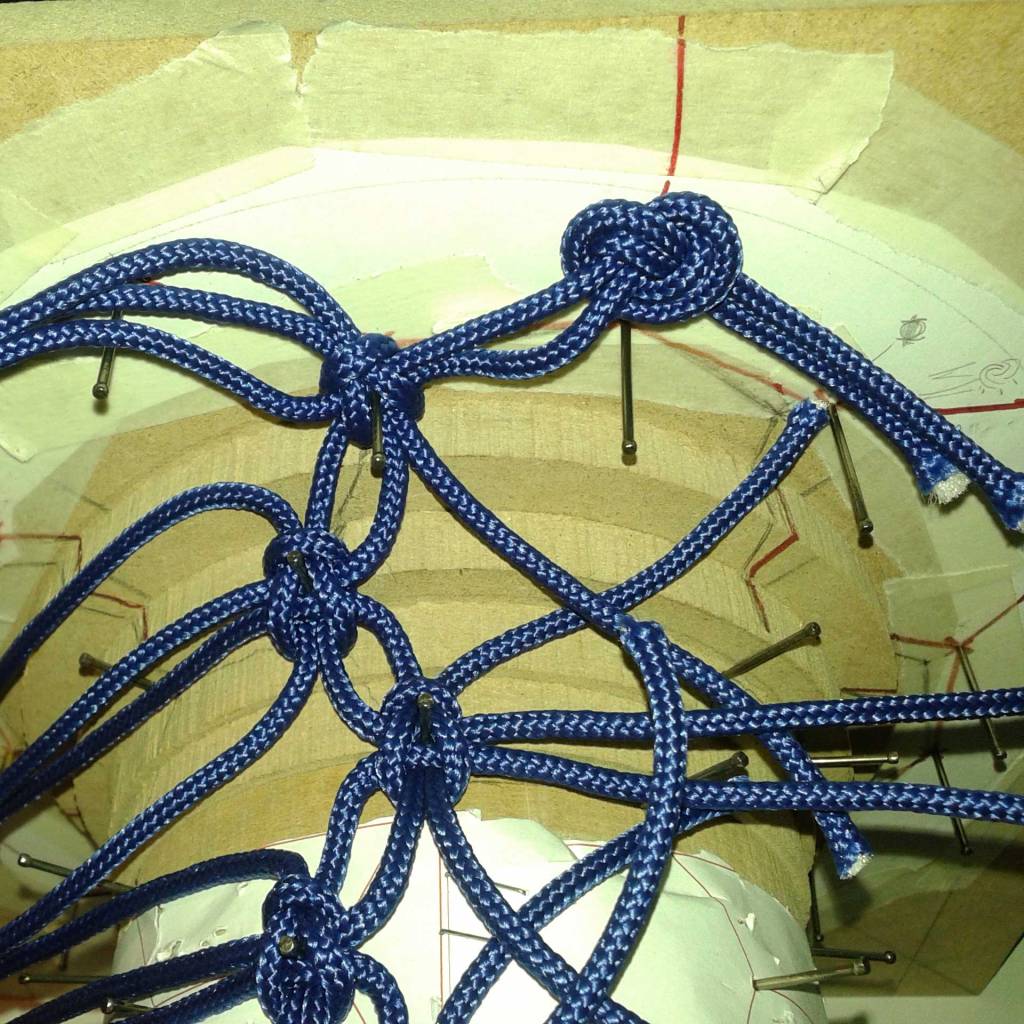
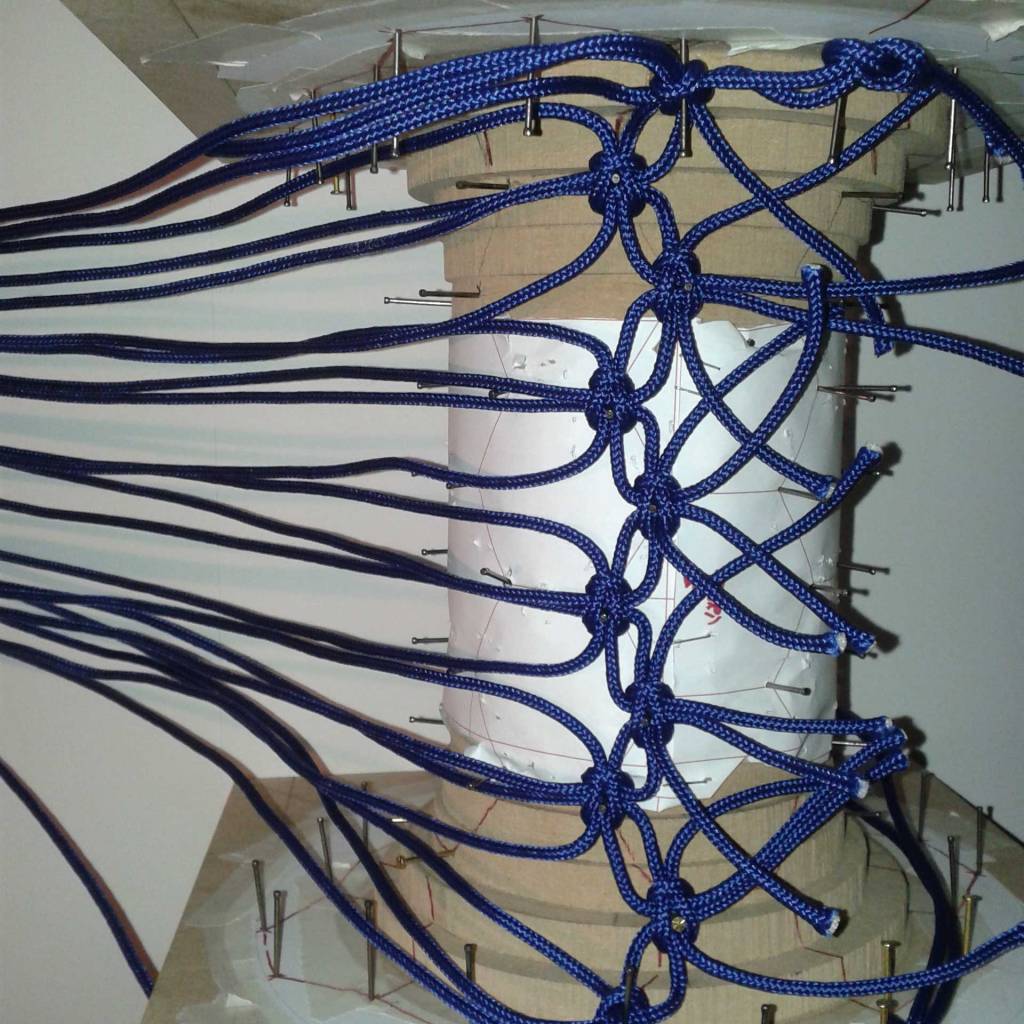

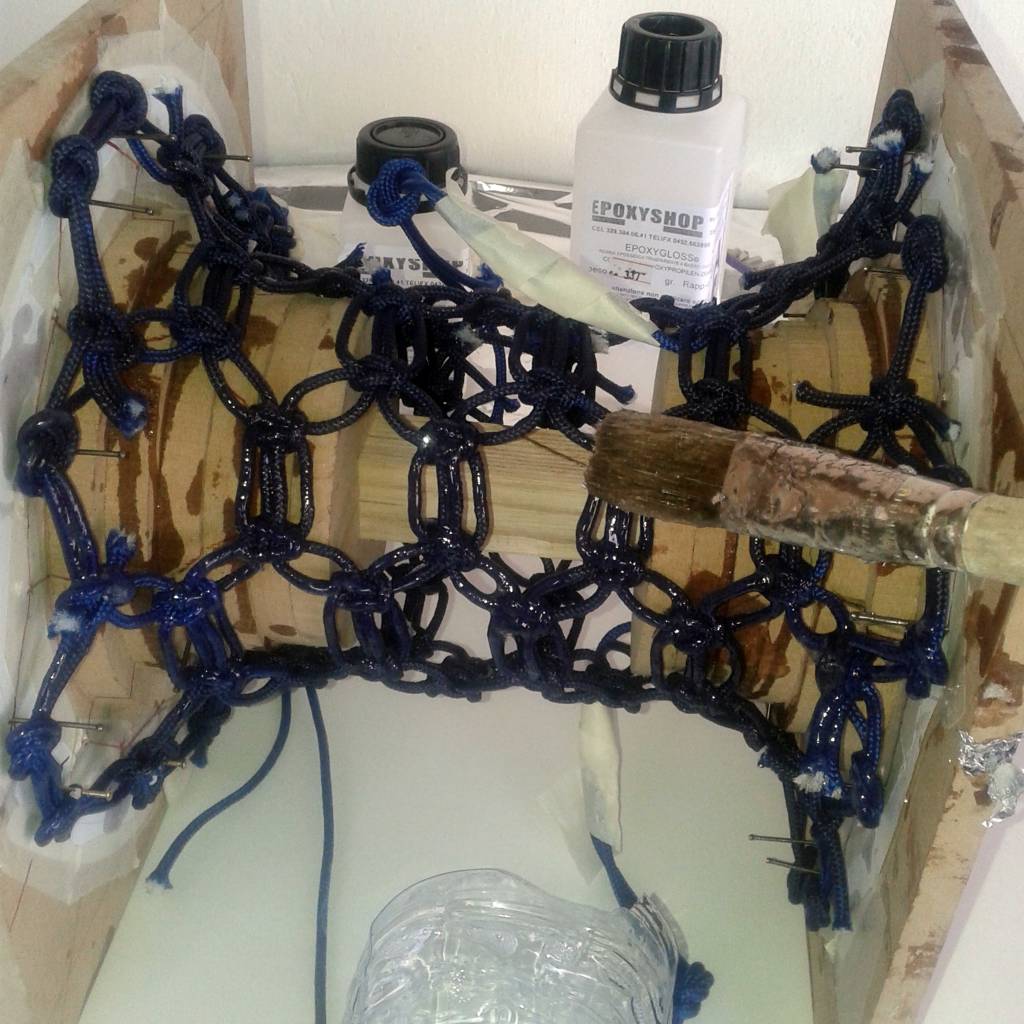
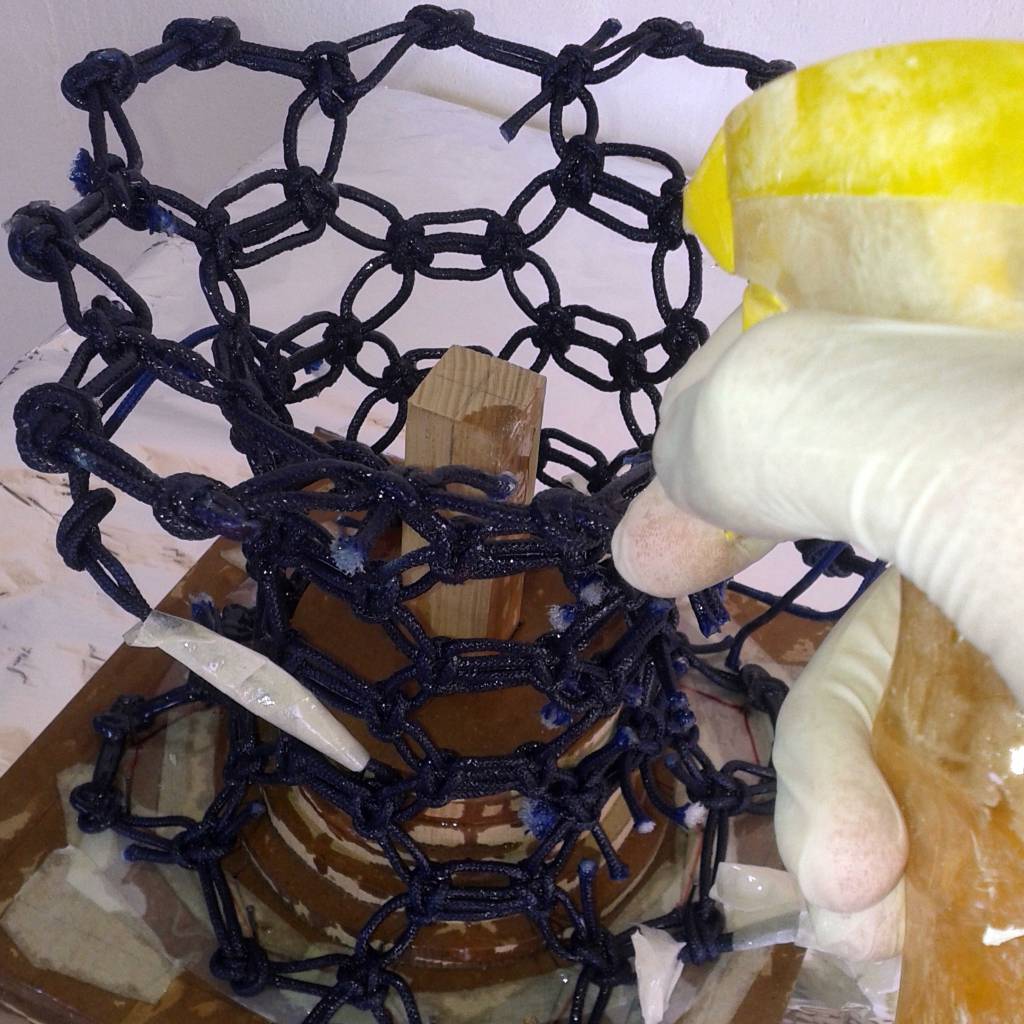
The epoxy resin is applied in two stages: first, it is used to bond the rope structure, and then a final layer is added to fully encapsulate and strengthen it, ensuring durability and a smooth finish.
FIRST STAGE: External brushing and Drying.

SECOND STAGE: Internal spraying and drying with the help of skewers to maintain the shape.

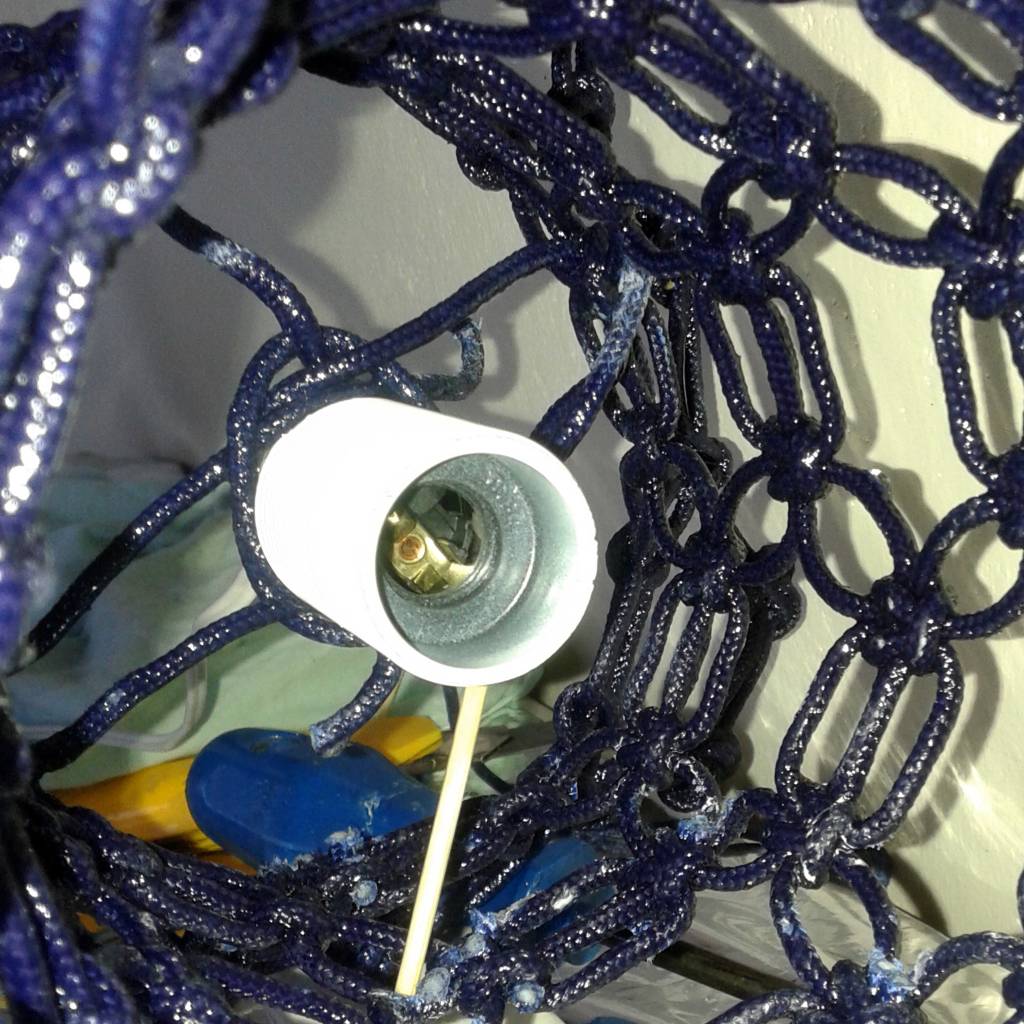
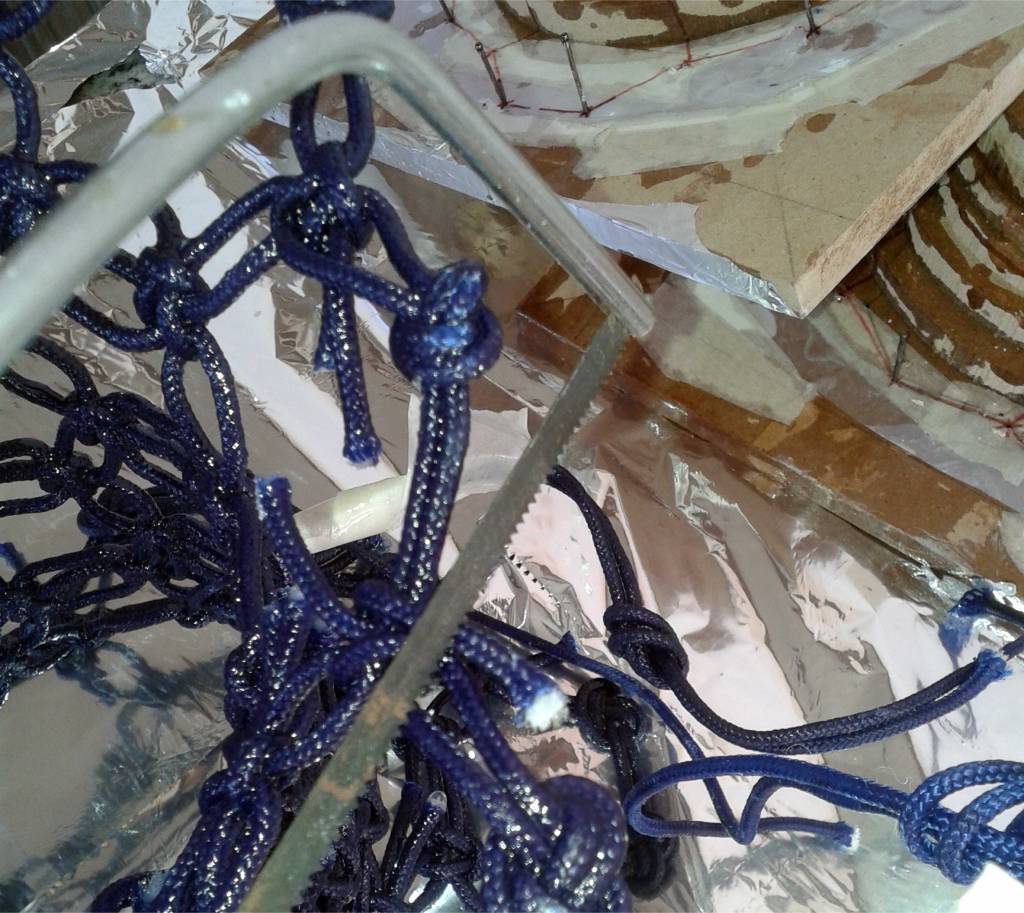
Once the resin has hardened, the wooden support is removed, and any excess rope is trimmed. Next, a support for the lamp holder is created using two pieces of rope folded onto themselves and soaked in epoxy resin for added strength. At the same time, the electrical system is installed, ensuring that all components are securely in place and functional. This process combines both craftsmanship and technical expertise, resulting in a fully assembled, durable, and functional lighting fixture.

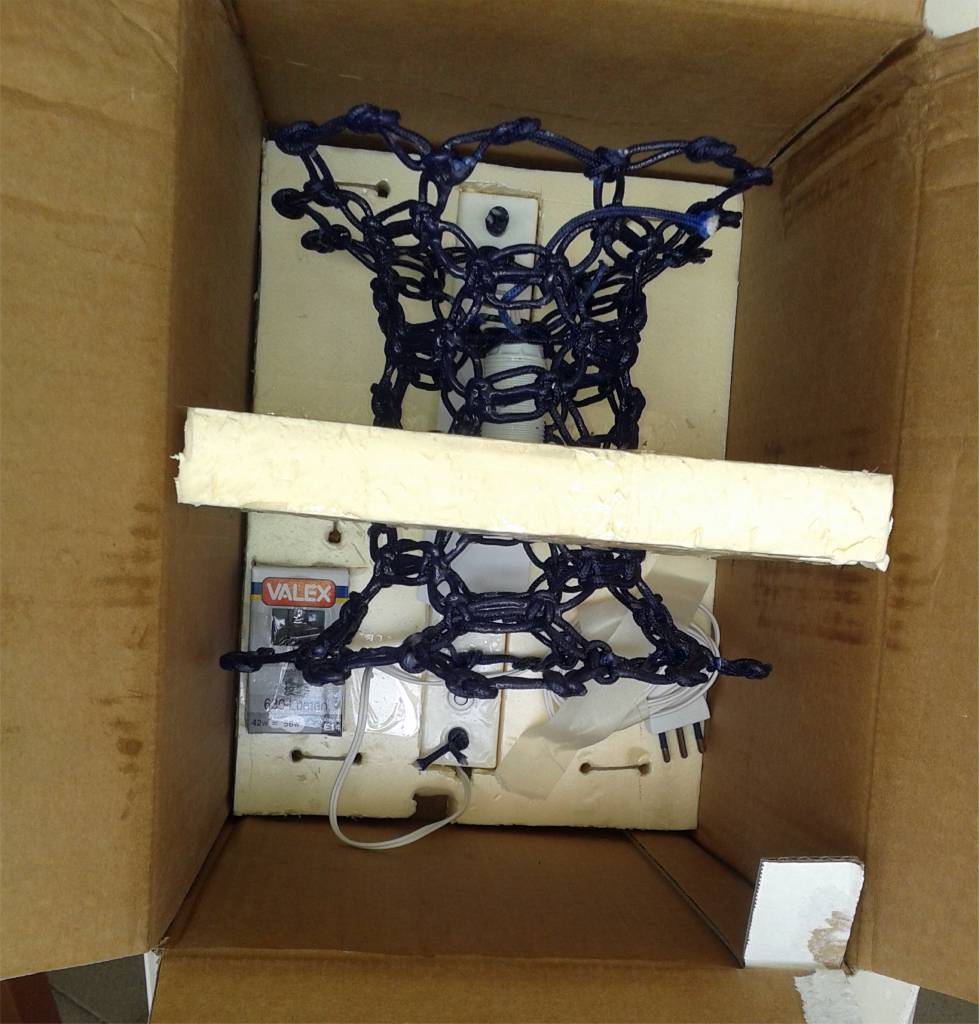
The packaging is carefully designed to protect the lamp during transport, using custom materials that secure and cushion the delicate structure. It also reflects the product’s aesthetic and commitment to functionality, quality and safety.
 Nicola Coco
What’s your take? Drop a comment!