
B-Belly
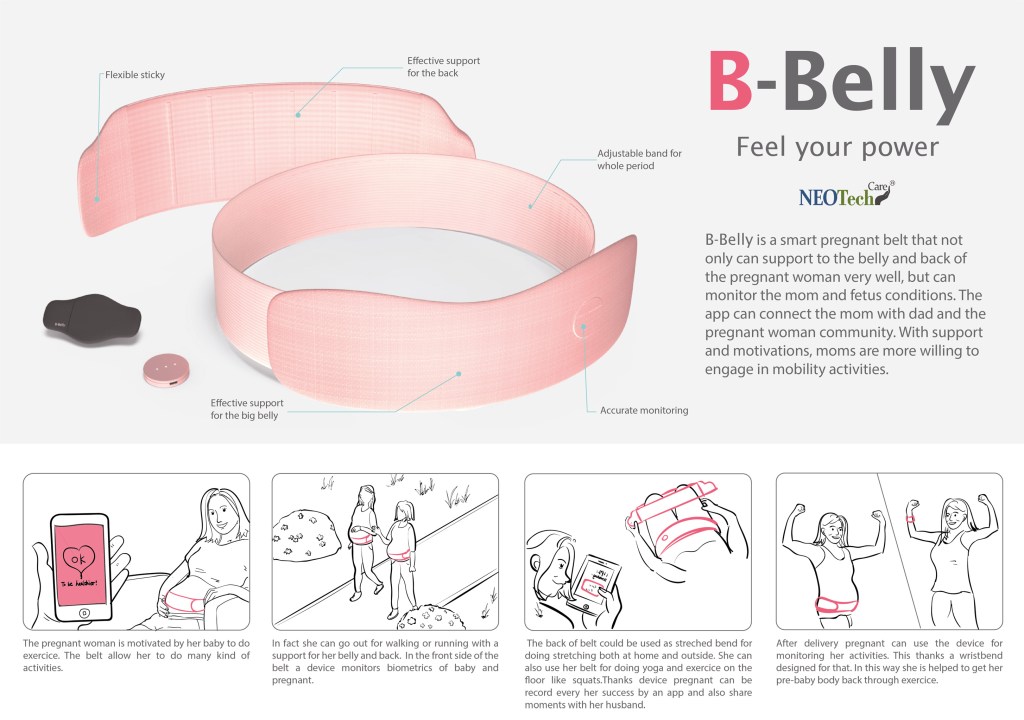
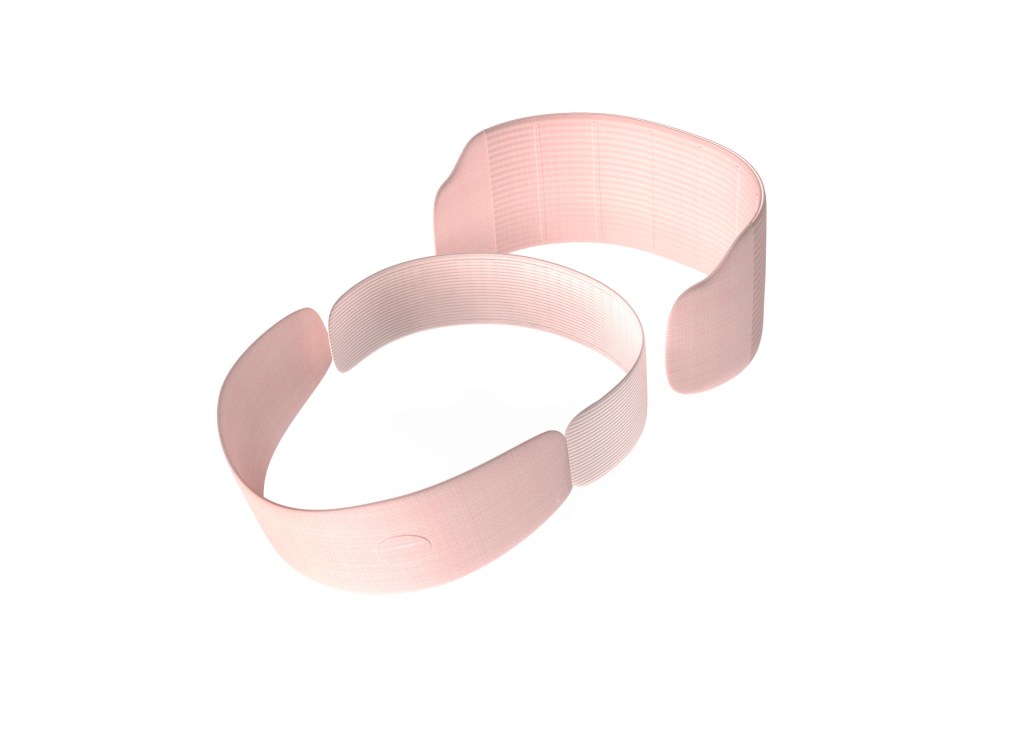
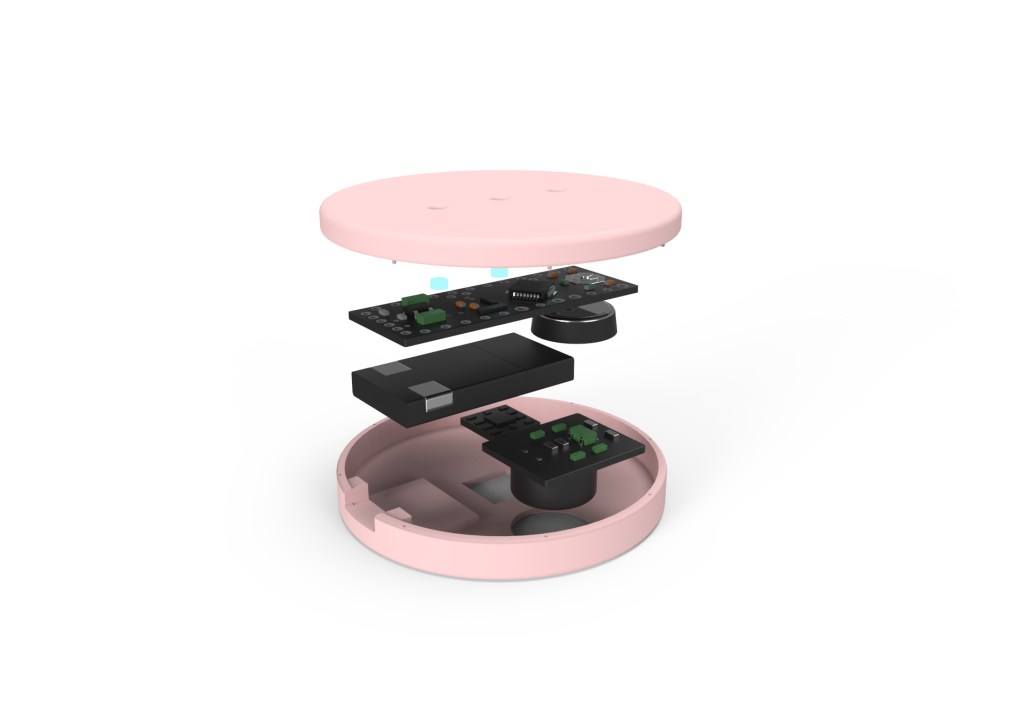
B-Belly is a smart maternity belt that monitors both the mother’s and fetus’s health throughout pregnancy. The accompanying app connects moms with their partners and a supportive community of expectant women, offering motivation, advice, and encouragement. With this support, moms are more likely to engage in physical activities that benefit both their health and well-being.
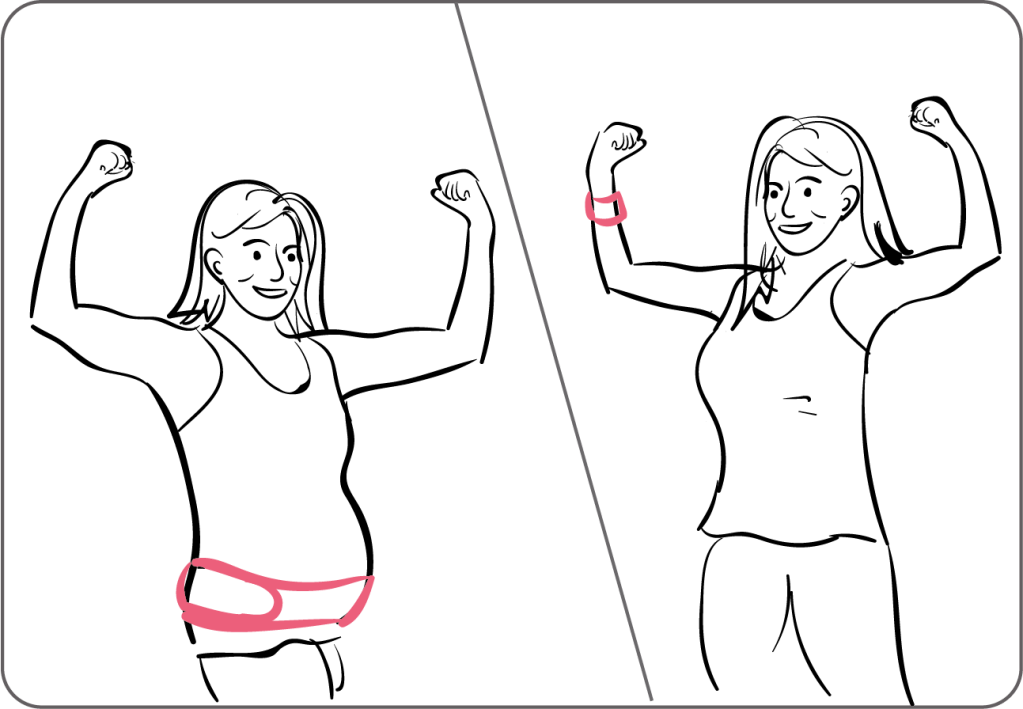
In addition to tracking health metrics during pregnancy, the B-Belly belt can be worn as a wristband post-partum. This allows mothers to continue their health journey, supporting recovery and helping them regain their shape after childbirth. B-Belly provides a comprehensive, easy-to-use solution that supports moms from pregnancy through to post-birth recovery.


Mood Board
As designers, we use a mood board to visually capture the essence of the B-Belly experience. It’s a collection of colors, images, textures, and design elements that convey the feelings and atmosphere we want our product to evoke. For B-Belly, we’ve curated calming pastels and nurturing imagery to reflect the warmth, care, and support mothers need during pregnancy and beyond. This mood board serves as our visual compass, helping us stay aligned with the emotional connection we want to build with moms and ensuring the overall aesthetic matches our brand’s tone.

Storyboard
A storyboard is an essential tool for visualizing the user experience with B-Belly. It allows us to map out a user’s journey in a narrative format, illustrating key moments and interactions with the product. We’ve used storyboards to break down a mother’s experience, from discovering B-Belly online or through word-of-mouth, to purchasing the product, and then using the belt and app during pregnancy. We’ve also mapped out how the product transitions into a wristband post-partum, showing how moms can continue using it for health tracking and recovery. By creating these visual sequences, we can identify potential friction points and areas where the experience can be improved. Storyboards help us think through each touchpoint from a user’s perspective, ensuring that the overall flow feels intuitive, supportive, and emotionally connected throughout their journey with B-Belly.


Personas
To design B-Belly with empathy and precision, we’ve developed personas based on real-life moms, pregnant women, and caregivers. These personas, like “First-Time Mom Maria” and “Active Mom Sarah,” help us visualize the different types of users we’re designing for. Each persona has unique needs, challenges, and motivations, which guide our design decisions. By putting ourselves in their shoes, we ensure that the product is intuitive, practical, and truly valuable for the diverse audience we’re aiming to serve.


Interviews
We’ve conducted interviews with doctors, new moms, and their partners to gather insights about their needs, frustrations, and desires. These conversations allow us to tap into the real, emotional experiences of our users. For example, we learned from some mothers that having a supportive community and easy access to health data during pregnancy was crucial for their peace of mind. By speaking directly to our target users, we can better understand their pain points and ensure B-Belly is designed with their needs in mind.
Google Surveys
To gather broader data and validate our assumptions, we used Google Surveys to ask a wider audience about their health tracking habits, physical activity levels during pregnancy, and how they currently engage with fitness or maternity products. With this data, we can make informed decisions about features that will truly resonate with our users. For instance, based on survey responses, we found that most expectant mothers are eager for products that support both pregnancy and post-partum recovery—affirming the dual functionality of B-Belly. The structure of the survey was based on findings from published studies.
User Diary
We’ve incorporated a user diary method into our design process to capture how moms interact with B-Belly day by day. By encouraging users to log their experiences, we get an intimate view of their thoughts, behaviors, and emotional responses over time. This feedback gives us invaluable insights into how the product is performing in real-life situations and whether it’s meeting the needs of moms as they track their health and recovery. It’s been an essential tool for fine-tuning the user experience and identifying any gaps in our design.
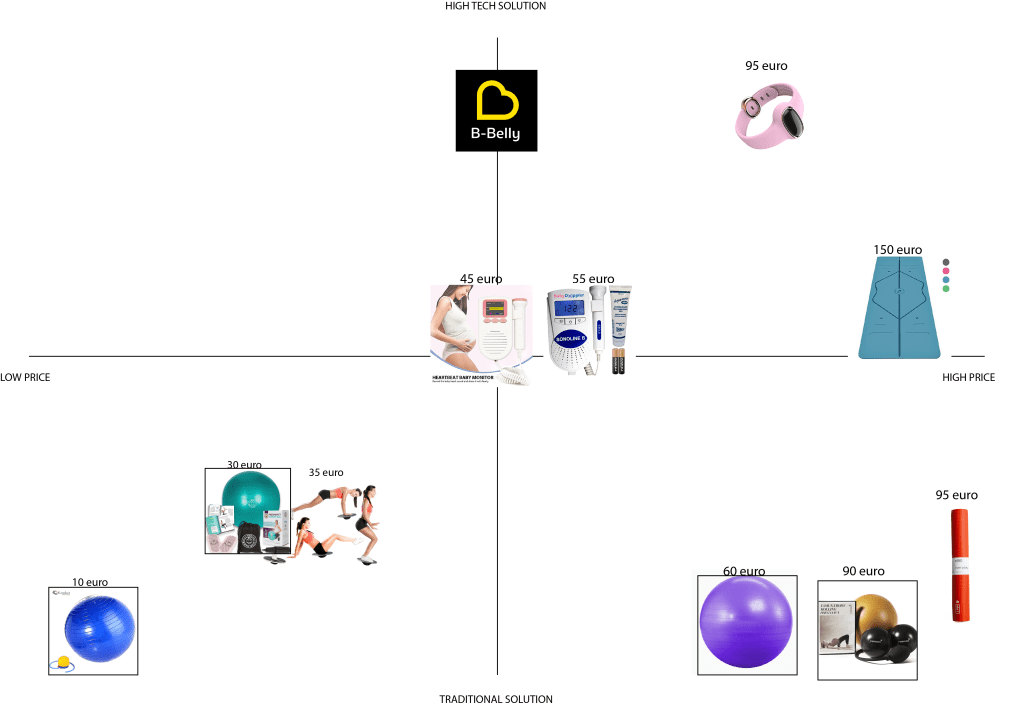
Positioning Maps
Using positioning maps, we’ve visually assessed where B-Belly stands compared to other pregnancy and maternity products in the market. By evaluating factors like price, functionality, and innovation, we’ve mapped out the unique space B-Belly occupies—where we combine advanced health monitoring with a supportive community aspect. This analysis also helps us identify areas for improvement, such as expanding our community features or offering additional support tools, ensuring B-Belly stays competitive and continues to meet our users’ needs.
Radar Chart
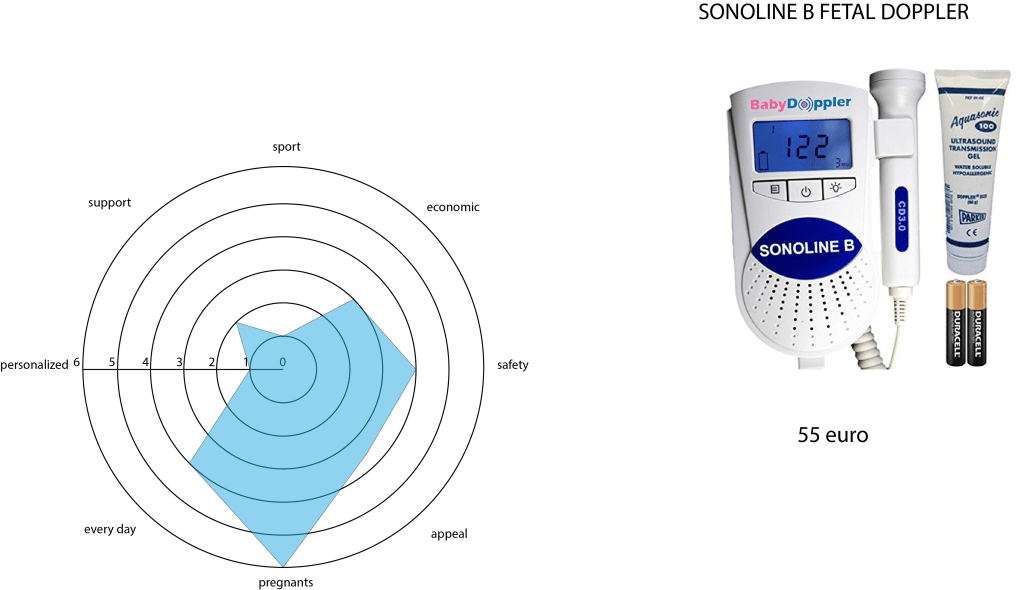
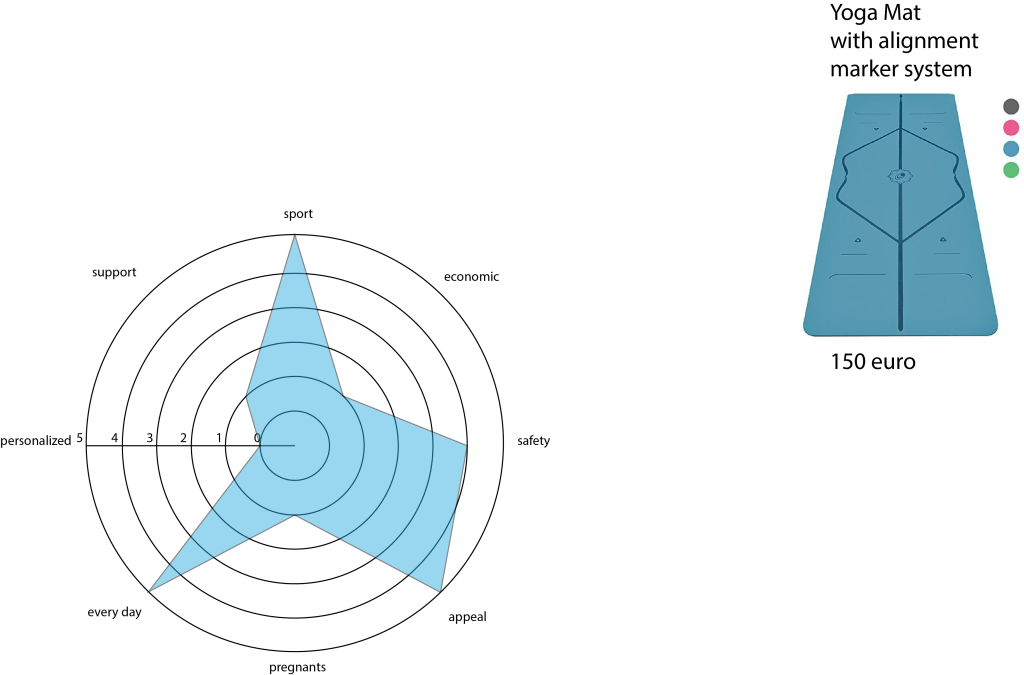
To assess how well B-Belly aligns with customer expectations, we use radar charts. These charts allow us to compare the product’s key features—like health tracking, ease of use, community integration, and post-partum recovery—against what our users value most. By visually mapping the strengths and weaknesses of B-Belly, we can focus our efforts on enhancing the areas that matter most to our customers. This helps us stay user-centered and ensures that every feature we include adds maximum value.



Cost Analysis
Finally, conducting a cost analysis helps us keep B-Belly affordable while ensuring that it remains a sustainable product. We’ve broken down all costs associated with development, materials, production, and distribution to make sure that we’re not only pricing the product competitively but also maintaining a healthy margin. By understanding our costs, we can also find opportunities to streamline production, optimize resources, and scale effectively, all while maintaining the high quality our users expect. This analysis is key to ensuring B-Belly’s long-term success.
 Nicola Coco
What’s your take? Drop a comment!